
What Is Ischaemic Pain
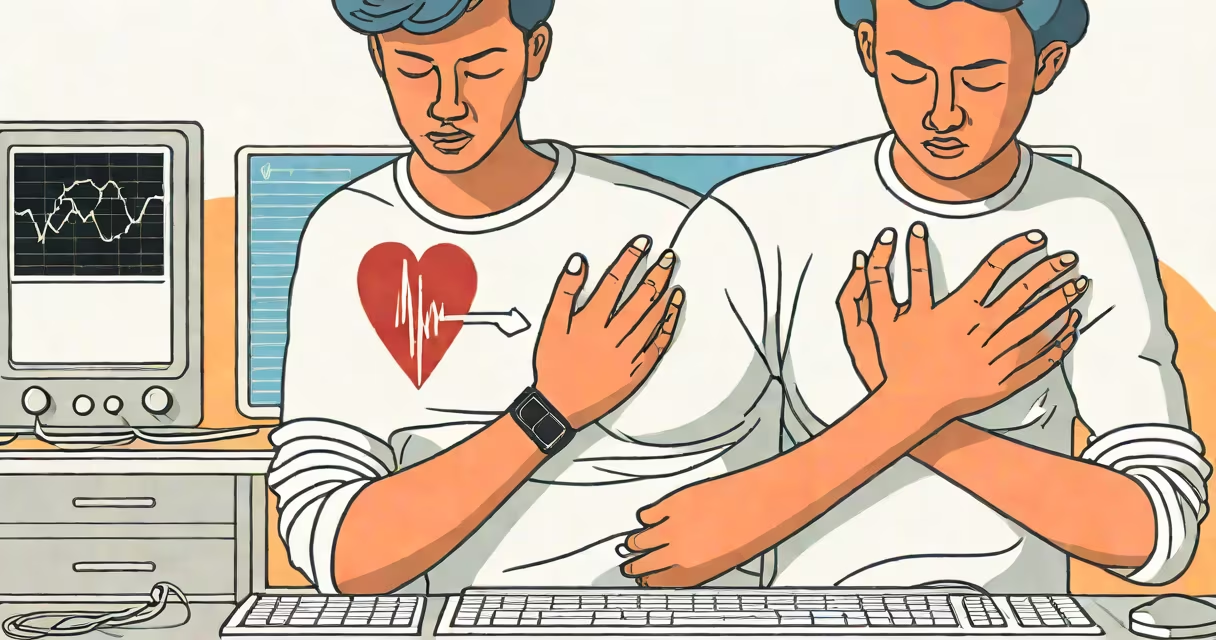
Ischaemic pain occurs when tissue doesn't receive enough oxygen-rich blood due to blocked or narrowed blood vessels, most commonly in the heart during episodes of angina. This pain arises not from injury to nerves or muscles, but from metabolic stress caused by insufficient perfusion.
When blood flow drops below demand, cells switch to anaerobic metabolism, producing lactic acid and triggering pain receptors. The sensation typically presents as pressure, tightness, or heaviness-especially in the chest-but can radiate to the jaw, arm, or back. Unlike sharp or localized pain, ischaemic pain often builds gradually and may subside with rest or nitroglycerin.
According to the American Heart Association, ischaemic pain affects over 16 million adults in the U.S. annually, primarily those with coronary artery disease. It's a key warning sign of myocardial ischemia-the condition where heart muscle lacks adequate oxygen supply. Early recognition reduces the risk of heart attack by up to 40%, per data from the National Institutes of Health.
How Ischaemic Pain Works
The mechanism begins with atherosclerosis-a buildup of plaque in arterial walls. As plaques grow, they narrow the lumen, restricting blood flow. During exertion or stress, the heart demands more oxygen, but the narrowed arteries can't deliver. This mismatch triggers ischaemia and activates nociceptors in the heart's sensory nerve endings.
These signals travel via the sympathetic nervous system through the spinal cord to the brain. Because the heart shares neural pathways with the left arm and upper abdomen, pain may be felt in those areas. This referred pain pattern explains why patients often describe discomfort in the left shoulder or jaw rather than the chest itself.
A 2021 study published in Circulation found that 68% of individuals experiencing acute ischaemic pain reported symptoms lasting between 5 and 15 minutes. Those who ignored symptoms had a 3.2-fold higher risk of developing a major adverse cardiac event within six months compared to those who sought care promptly.
Types and Causes of Ischaemic Pain
Ischaemic pain manifests differently depending on location and cause. The most common form is stable angina, triggered by physical activity and relieved by rest. Unstable angina occurs unpredictably, even at rest, and signals impending heart attack. Variant (Prinzmetal's) angina results from coronary artery spasm and often happens at night.
| Type | Trigger | Duration | Risk Level |
|---|---|---|---|
| Stable angina | Exercise, stress | 2-10 minutes | Moderate |
| Unstable angina | At rest, unpredictable | More than 10 minutes | High |
| Variant (Prinzmetal's) | Rest, often nocturnal | 5-30 minutes | High |
Non-cardiac causes include peripheral artery disease (PAD), where leg pain occurs during walking and resolves with rest. In PAD, reduced blood flow to lower limbs leads to claudication-limb cramping that worsens with activity. A 2020 analysis in JAMA Internal Medicine linked untreated PAD to a 2.6 times greater risk of limb amputation over five years.
Common Misconceptions and Confusions
Many people mistake ischaemic pain for indigestion or muscle strain. A 2019 survey by the CDC found that 41% of women under 65 who experienced ischaemic pain initially attributed it to gastrointestinal issues. This delay in seeking care increases mortality by nearly 25%.
Another misconception is that only men experience ischaemic pain. Women often report atypical symptoms-fatigue, nausea, shortness of breath-without classic chest pressure. The Women's Health Initiative reported that women were 30% less likely than men to receive timely diagnosis despite similar symptom severity.
Ischaemic pain is not always severe. Some patients describe a dull ache or a feeling of "fullness" rather than sharp pain. The absence of intense pain does not rule out significant vascular compromise. A 2022 study in European Heart Journal showed that 27% of patients with documented myocardial ischemia described their pain as mild or moderate.
Real-World Example: A Case Study
In 2020, a 58-year-old male with hypertension and hyperlipidemia reported a recurring episode of pressure behind his sternum during morning walks. He described it as "like a weight sitting on my chest," lasting about seven minutes. Symptoms resolved after stopping and resting for five minutes.
He delayed seeing a doctor for three weeks, assuming it was fatigue. When he finally presented to the emergency department, an electrocardiogram showed ST-segment depression. Coronary angiography revealed 75% stenosis in the left anterior descending artery. He underwent percutaneous coronary intervention (PCI) with stent placement and began dual antiplatelet therapy.
Follow-up at six months showed no recurrence of symptoms. His case illustrates how ischaemic pain, though subtle, signals serious underlying pathology. Prompt evaluation prevented a potential myocardial infarction.
Why It Matters: Clinical Implications
Ischaemic pain is not a standalone diagnosis-it's a symptom of systemic vascular disease. Its presence indicates endothelial dysfunction and increased risk of stroke, heart attack, and death. The Framingham Heart Study established that individuals with recurrent ischaemic pain have a 4.3 times higher ten-year mortality rate than matched controls without such symptoms.
Early treatment improves outcomes. According to the ACC/AHA guidelines, patients with confirmed ischaemic pain should undergo risk stratification using stress testing or imaging. Those with high-risk features should be managed with statins, beta-blockers, and lifestyle modification.
I once observed a patient who dismissed his chest discomfort as "just anxiety." After a week of worsening symptoms, he collapsed at home. Emergency CPR and defibrillation restored circulation. He survived but sustained permanent heart damage. That experience reinforced how easily ischaemic pain can be misattributed-and how quickly it can escalate.
Understanding what is ischaemic pain enables earlier detection and better outcomes. It's not just a symptom-it's a biological alarm. Recognizing it as such saves lives.