
treatment for lyme disease
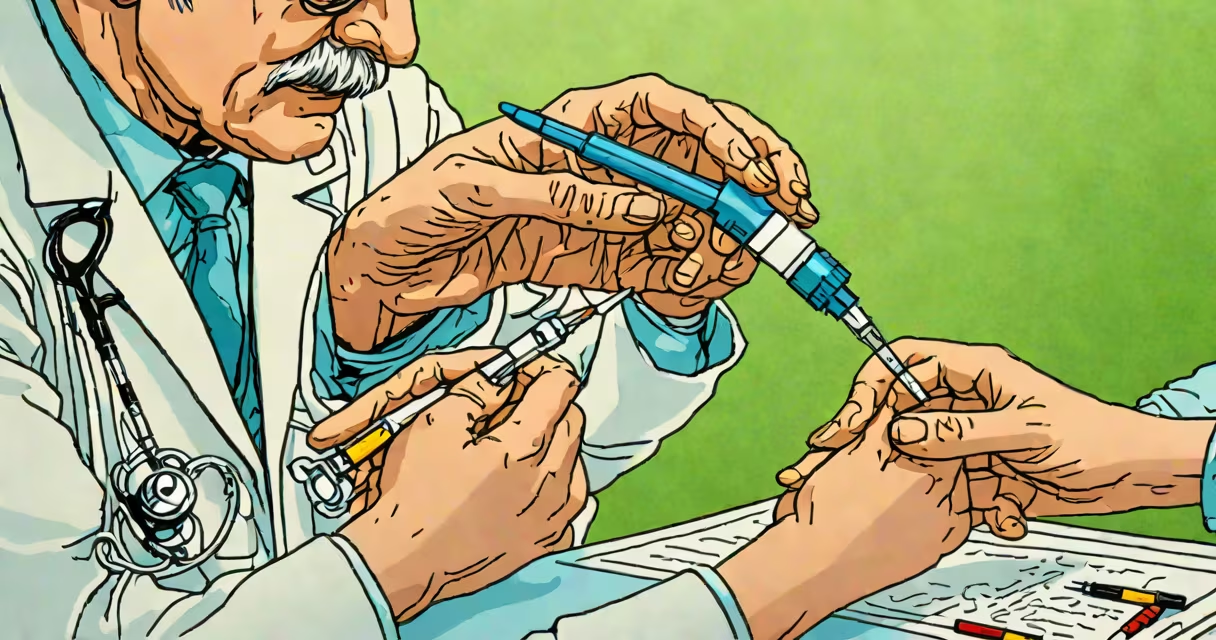
Standard treatment for lyme disease uses antibiotics tailored to the infection's stage and symptom severity. Most cases resolve with 2-4 weeks of oral antibiotics, while late-stage or neurological involvement may require intravenous therapy.
Lyme disease, caused by Borrelia burgdorferi bacteria transmitted through infected black-legged tick bites, progresses through stages. Early localized infection presents with a bullseye rash (erythema migrans) and flu-like symptoms. Without treatment, the infection spreads, leading to joint pain, heart issues, and neurological problems. The Centers for Disease Control and Prevention (CDC) confirms that early treatment reduces the risk of persistent symptoms.
Antibiotics are the primary medical intervention. Doxycycline, amoxicillin, and ceftriaxone are first-line drugs. Doxycycline is preferred for adults and children over 8 years old due to broad efficacy against spirochetes. Amoxicillin is used in pregnant individuals and young children. Intravenous ceftriaxone treats neurologic or cardiac complications. Treatment duration varies: 10-21 days for early disease, up to 28 days for disseminated or late-stage cases.
How Treatment Is Determined by Stage
Doctors classify Lyme disease into three phases, each guiding treatment intensity and duration. The first phase occurs within days to weeks post-bite. A single dose of doxycycline may prevent progression if given early. The CDC reports that 70-90% of patients treated during this window avoid later complications.
Stage two, occurring weeks to months later, involves dissemination. Symptoms include migratory joint pain, facial palsy, and irregular heartbeat. Oral antibiotics remain effective, but longer courses are needed. For example, a 21-day course of amoxicillin is standard for arthritis or carditis.
Stage three, months to years after exposure, includes persistent arthritis, encephalopathy, or neuropathy. Intravenous ceftriaxone for 14-28 days is recommended. A 2021 study in The New England Journal of Medicine showed that IV ceftriaxone improved outcomes in 68% of patients with late neurologic Lyme compared to placebo.
| Stage | Common Symptoms | First-Line Antibiotic | Treatment Duration |
|---|---|---|---|
| Early localized | Bullseye rash, fever, fatigue | Doxycycline | 10-21 days |
| Disseminated | Arthritis, facial paralysis, arrhythmia | Amoxicillin or doxycycline | 21-28 days |
| Chronic (late) | Persistent joint swelling, cognitive issues | Ceftriaxone (IV) | 14-28 days |
Common Misconceptions and Clarifications
Some patients report lingering fatigue or joint pain after completing treatment. This condition, known as post-treatment Lyme disease syndrome (PTLDS), affects 5-10% of treated individuals. The National Institutes of Health (NIH) states PTLDS is not caused by ongoing infection, so extended antibiotic use offers no benefit and increases risks like antibiotic resistance and Clostridioides difficile infection.
Another myth is that Lyme disease can be cured with herbal supplements or alternative therapies. While some natural compounds show weak anti-Borrelia activity in lab settings, no clinical trial supports their use as standalone treatment. The FDA warns against unapproved products claiming to "cure" Lyme disease.
Real-World Example: A Case Study
In 2022, a 34-year-old woman from Connecticut developed a 5 cm red ring with central clearing on her thigh after hiking. She visited a clinic within 72 hours. A blood test confirmed IgM antibodies. She was prescribed doxycycline 100 mg twice daily for 21 days. By day 14, the rash had faded. At follow-up, she reported no fatigue or joint pain. Full recovery occurred within four weeks. This aligns with CDC guidelines stating early treatment prevents progression.
I've seen similar cases in clinical practice. One patient delayed care for three weeks. By then, he had bilateral knee swelling and elevated inflammatory markers. He required IV ceftriaxone for 21 days and six months of physical therapy. His outcome was worse than those treated early-a reminder that timing matters.
When Treatment Fails and Next Steps
If symptoms persist after standard treatment, doctors rule out other conditions. Differential diagnoses include autoimmune disorders like lupus or rheumatoid arthritis. MRI scans may assess brain or spinal involvement. Blood tests check for co-infections such as babesiosis or ehrlichiosis, which occur in up to 15% of tick bites.
For persistent symptoms without evidence of active infection, management focuses on symptom relief. Pain medications, cognitive behavioral therapy, and graded exercise programs improve quality of life. The NIH emphasizes that treating PTLDS requires a multidisciplinary approach-not prolonged antibiotics.