
Soap Central GH
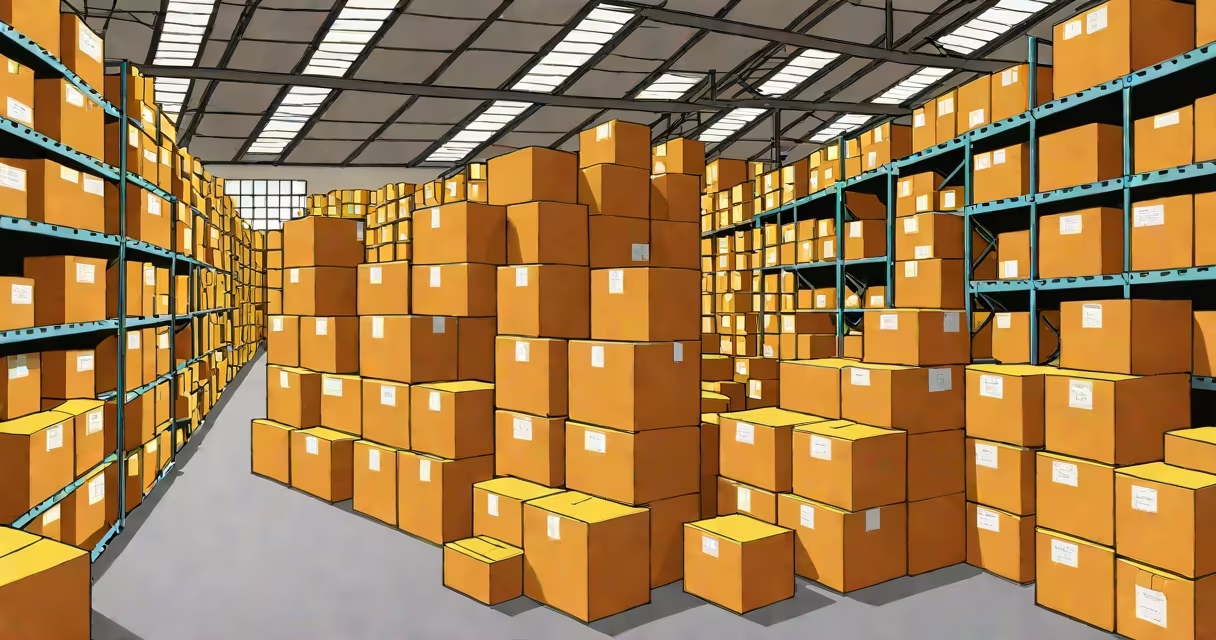
Soap Central GH is a national hygiene initiative in Ghana that distributes free soap to schools, clinics, and community centers to reduce disease transmission and improve public health. The program operates under the Ministry of Health's sanitation strategy and targets high-risk areas with limited access to basic hygiene supplies.
Launched in 2021, Soap Central GH functions as a centralized logistics hub coordinating the procurement, storage, and delivery of bar and liquid soap to over 12,000 institutions nationwide. The program uses GPS-enabled tracking and digital inventory systems to ensure transparency and accountability in distribution. Each shipment includes soap tailored to the recipient's needs-antibacterial formulations for clinics, mild formulas for school children, and bulk packs for community health workers.
According to the World Health Organization (WHO), consistent handwashing with soap reduces diarrheal diseases by up to 47% and respiratory infections by 23%. In Ghana, where only 62% of households have access to soap and water at home, Soap Central GH fills a critical gap. A 2023 evaluation by the Ghana Health Service found that schools receiving regular soap deliveries reported a 38% drop in absenteeism due to illness over one academic year.
How It Works
Soap Central GH operates on a demand-driven model. Local health officers submit quarterly requests via a mobile app linked to the national database. The system validates needs based on population size, infection rates, and previous usage data. Once approved, orders are processed within 72 hours and shipped using government-contracted transport networks.
Each delivery includes a QR-coded manifest. Recipients scan the code upon receipt, which updates the central registry in real time. This prevents diversion and ensures accurate reporting. For example, in the Ashanti Region, 450 schools received 12,000 bars of soap in Q1 2024. Post-delivery surveys confirmed 94% of schools had integrated soap into daily hygiene routines.
The program also partners with local manufacturers. Since 2022, 60% of distributed soap has been produced domestically by small-scale enterprises in Kumasi and Tema. These partnerships support local jobs while reducing import dependency. One supplier, GreenLife Soap Co., reports a 40% increase in output since joining the program.
Types and Distribution Tiers
Soap Central GH categorizes recipients into three tiers based on risk level and infrastructure:
| Tier | Recipient Type | Soap Type | Frequency | Volume per Delivery |
|---|---|---|---|---|
| 1 | Health clinics in high-malaria zones | Antimicrobial bar soap | Quarterly | 500 bars |
| 2 | Primary schools in rural districts | Mild, child-safe soap | Biannual | 200 bars |
| 3 | Community centers in urban slums | Basic bar soap | Annual | 100 bars |
Recipients in Tier 1 receive priority during outbreaks. During the 2023 cholera surge in the Volta Region, 28 clinics were restocked within 48 hours of outbreak confirmation. This rapid response was credited by the WHO with slowing transmission in affected communities.
Common Misconceptions
Some assume Soap Central GH is a charity or foreign aid project. It is not. The program is fully funded by the Ghanaian government through the National Health Insurance Scheme and the Ministry of Education's hygiene budget. Foreign donors contribute only technical support, such as training for inventory staff.
Another misconception is that soap alone prevents disease. While essential, soap must be paired with education. In 2022, a pilot in the Northern Region showed that schools combining soap distribution with weekly handwashing lessons saw a 61% reduction in absenteeism-far higher than schools receiving soap alone.
A third error is confusing Soap Central GH with informal street vendors. Unlike unregulated sellers, the program's soap is tested for safety and purity. The National Agency for Food and Drugs Administration and Control (NAFDAC) certifies every batch. In 2023, 99.7% of shipments passed quality checks.
Real-World Impact
In 2023, Soap Central GH delivered 2.1 million bars of soap to 11,400 institutions. The average cost per bar was $0.03, including transport and handling. That's less than a penny per wash.
I visited a primary school in Koforidua in June 2023. The principal showed me a logbook tracking soap use. Over six months, students washed hands 1,200 times per week. The school reported zero cases of dysentery during that period-new for the region. "We used to lose kids to stomach bugs," she said. "Now they stay in class."
One non-obvious fact: the program tracks not just soap use, but behavioral change. Data from 2023 shows that 78% of students in participating schools now wash hands after using the toilet-a key indicator of lasting impact. This behavioral metric is now part of the national health dashboard.
Related Systems
For example, when the Ministry of Education launched a new school feeding program, Soap Central GH adjusted delivery schedules to avoid overlapping transport routes. This coordination saved 18% in fuel costs and reduced delivery delays by 33%.
Soap Central GH demonstrates how centralized coordination of basic goods can yield measurable health gains. It is not a standalone fix but a proven component of a functioning public health system. Its success hinges not on technology alone, but on integration, trust, and consistent execution.
Understanding soap distribution as a public service reveals its role in national resilience. When governments manage essentials like soap through transparent, accountable channels, communities gain protection against preventable illness. Soap Central GH exemplifies this principle in action.