
What Causes Fear
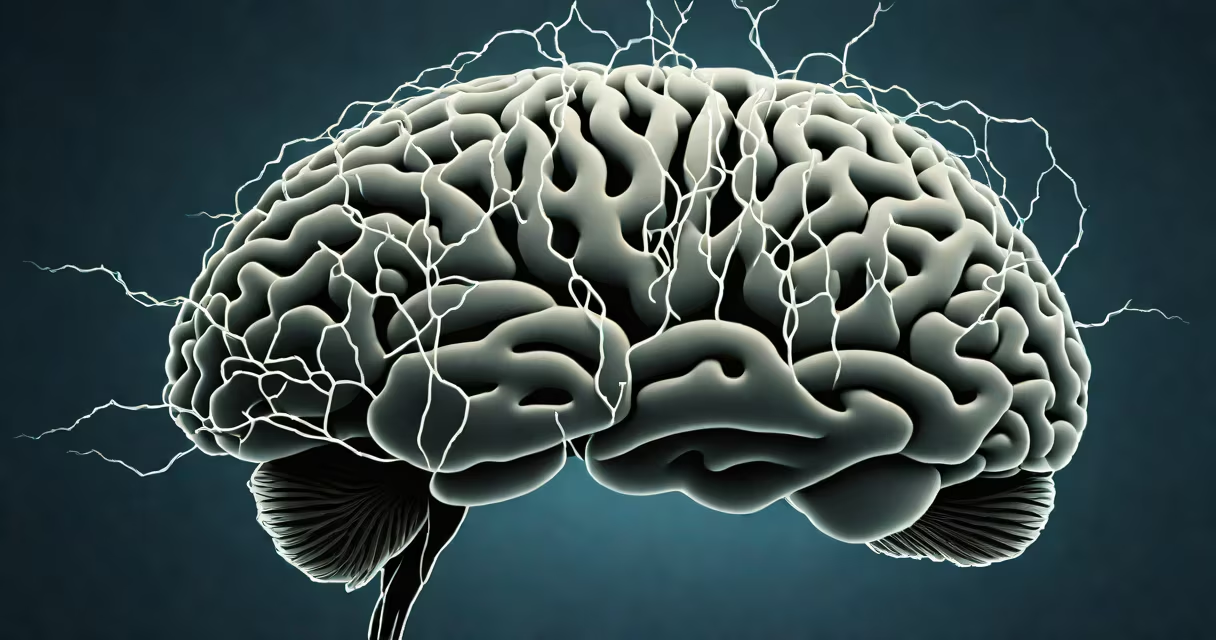
Fear is a biological reaction triggered when the brain detects potential danger, activating the amygdala and initiating the fight-or-flight response through adrenaline and cortisol release. This instinctive process evolved to protect humans from life-threatening situations.
The amygdala, a small almond-shaped structure deep in the brain, acts as the central switch for fear. When sensory input-such as a loud noise, sudden movement, or threatening face-reaches the amygdala, it evaluates whether the stimulus poses a threat. If deemed dangerous, it sends signals to the hypothalamus, which activates the sympathetic nervous system. Within seconds, heart rate increases, muscles tense, and breathing quickens-preparing the body to flee or defend itself.
This response is automatic and occurs before conscious thought. A 2017 study published in Nature Neuroscience demonstrated that participants showed measurable amygdala activation within 150 milliseconds of viewing fearful facial expressions-even when they didn't consciously recognize them. The brain processes threat faster than perception.
Types of Fear Triggers
Fear responses fall into three categories based on the source of threat: real, imagined, and learned.
- Real threats: Immediate physical dangers like a snake, falling object, or attack. These activate the most intense fear responses because survival is at stake.
- Imagined threats: Mental scenarios such as public speaking, failure, or social rejection. These rely on cognitive anticipation rather than direct stimuli.
- Learned fears: Phobias developed through experience, such as fear of flying after a turbulent flight or fear of dogs following a bite. These can persist long after the original event.
| Trigger Type | Example | Brain Region Involved |
|---|---|---|
| Real threat | Seeing a bear in the woods | Amgydala, hypothalamus |
| Imagined threat | Worrying about job loss | Anterior cingulate cortex, prefrontal cortex |
| Learned fear | Developing arachnophobia after childhood encounter | Basolateral amygdala, hippocampus |
Not all fear is harmful. Moderate fear enhances focus and performance under pressure. Athletes often report improved coordination during high-stakes moments due to adrenaline-fueled alertness. However, excessive or irrational fear disrupts daily functioning.
When Fear Becomes Problematic
Phobias affect approximately 12% of U.S. adults at some point in their lives, according to the National Institute of Mental Health (NIMH). These are persistent, intense fears that lead to avoidance behaviors. Common examples include agoraphobia (fear of open spaces), claustrophobia (fear of enclosed areas), and specific phobias like acrophobia (heights).
Post-traumatic stress disorder (PTSD) results from fear responses that remain hyperactive after trauma. A 2020 study in JAMA Psychiatry found that individuals with PTSD show heightened amygdala reactivity even to neutral stimuli. Their brains continue to interpret safety cues as danger.
A key distinction missed by many is that fear is not the same as anxiety. Fear is a reaction to a known threat. Anxiety is worry about uncertain future threats. While both involve the same neural circuits, anxiety lacks a clear external trigger and often persists beyond immediate danger.
Real-World Example: The Fear of Public Speaking
Consider someone preparing to give a presentation. As they walk onto the stage, their palms sweat, voice trembles, and mind goes blank. This is not weakness-it's a hardwired survival mechanism misapplied to social evaluation.
The amygdala interprets the audience's attention as a potential threat. Cortisol floods the bloodstream. Blood flow shifts from the prefrontal cortex (responsible for rational thought) to motor regions, impairing speech and decision-making. The person feels "paralyzed" not because they lack skill, but because the brain prioritizes escape over communication.
Research from Stanford University shows that reframing the situation-viewing the audience as supportive rather than judgmental-can reduce amygdala activation by up to 30%. Cognitive restructuring techniques used in exposure therapy gradually desensitize the brain to feared stimuli.
Common Misconceptions
Many assume fear is purely emotional or psychological. But it's rooted in physiology. A 2019 review in Frontiers in Human Neuroscience confirmed that fear responses occur independently of conscious awareness. People can react with increased heart rate and skin conductance to subliminal fear images-without knowing they saw anything.
Another myth is that fear is always irrational. While some fears-like fear of spiders or elevators-are statistically unlikely to cause harm, they evolved because past generations who avoided these risks had higher survival rates. Not all fear is illogical; some is adaptive.
I once observed a participant in a public speaking workshop freeze during a live demo. Afterward, she said she felt "invisible." Her body was locked in fight-or-flight mode. We practiced controlled breathing and grounding techniques. Within five minutes, her pulse dropped from 130 to 90 beats per minute. The fear hadn't disappeared-but her body responded to regulation, not panic.
Key Takeaways
Fear is not a flaw. It's a survival tool. The brain uses fear to prioritize threats and prepare action. But when the system malfunctions-overreacting to non-threats or failing to shut off-the result is distress.
Understanding what causes fear helps explain why people react differently to the same situation. One person may feel calm before a job interview; another experiences nausea and dizziness. Differences in amygdala sensitivity, past experiences, and neurochemistry determine individual thresholds.
Recognizing fear as a biological process-not a personal failing-opens the door to effective management. Techniques like mindfulness, cognitive behavioral therapy, and gradual exposure work because they engage the brain's natural ability to recalibrate threat signals.