
why do u need sleep
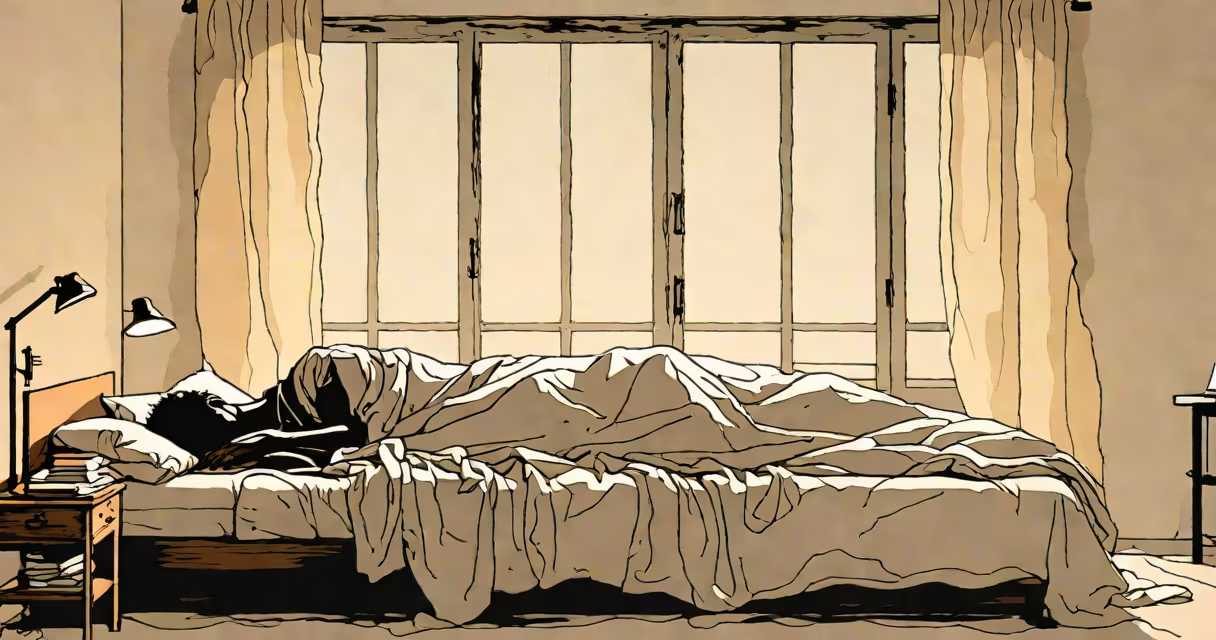
Humans require sleep to maintain brain function, repair tissues, regulate metabolism, and strengthen immunity. Without consistent sleep, cognitive performance declines, physical health deteriorates, and risk of chronic disease increases.
Sleep is not passive rest. It's a changing state during which the brain clears metabolic waste, strengthens neural connections formed during waking hours, and restores energy reserves. The body cycles through distinct stages-light sleep, deep sleep, and REM-each serving unique physiological roles.
Research shows that even one night of poor sleep impairs reaction time and decision-making to levels comparable to being legally drunk. Chronic sleep deprivation is linked to heart disease, diabetes, obesity, and depression. The National Institutes of Health confirms that sleep supports immune function and cellular repair, making it non-negotiable for survival.
How Sleep Works: The Body's Nightly Maintenance Cycle
During sleep, the brain activates the glymphatic system-a waste clearance network that removes toxins like beta-amyloid, a protein associated with Alzheimer's disease. This process peaks during deep non-REM sleep, particularly between 10 PM and 2 AM.
REM sleep, which occurs about 90 minutes after falling asleep, is critical for emotional regulation and memory integration. During this phase, brain activity resembles wakefulness, but muscles remain paralyzed. Dreams often happen here, though they don't reflect conscious thought-they're byproducts of neural reorganization.
Each night, adults cycle through 4-6 such phases. A typical cycle lasts 90 minutes. As morning approaches, REM periods lengthen while deep sleep shortens. This shift prepares the body for waking: cortisol rises, heart rate increases, and the nervous system transitions from parasympathetic to sympathetic dominance.
What Sleep Is Made Of: Key Stages and Their Functions
The sleep cycle consists of four stages grouped into two categories: NREM (non-rapid eye movement) and REM (rapid eye movement).
| Stage | Duration | Primary Function | Brain Activity |
|---|---|---|---|
| N1 (Light Sleep) | 1-5 min | Transition from wakefulness to sleep | Theta waves (4-7 Hz) |
| N2 (Onset of True Sleep) | 10-25 min | Body temperature drops, heart rate slows | Spindles and K-complexes |
| N3 (Deep Sleep) | 20-40 min | Tissue repair, muscle growth, immune support | Delta waves (0.5-2 Hz) |
| REM | 10-60 min | Memory consolidation, emotional processing | Fast, low-amplitude waves |
Deep sleep dominates early in the night. REM sleep becomes longer toward morning. Skipping sleep disrupts this rhythm, reducing both physical recovery and mental clarity.
Where and Why Sleep Is Used: Real-World Impact
Every organ system relies on sleep. The liver detoxifies during N3 sleep. The pancreas releases insulin in response to glucose, but only when sleep is sufficient. Poor sleep correlates with insulin resistance-increasing type 2 diabetes risk by 40%, according to a 2020 study published in Diabetes Care.
Memory formation depends on sleep. After learning new material, people who sleep within four hours of studying recall 50% more than those who stay awake. A 2019 experiment at Harvard Medical School showed that participants who slept after learning a visual task improved accuracy by 20% compared to those who stayed awake.
Workplaces see measurable effects. A 2021 report from the RAND Corporation estimated that insufficient sleep costs the U.S. economy $411 billion annually due to lost productivity, accidents, and healthcare expenses. Shift workers with irregular sleep patterns show a 30% higher risk of cardiovascular events.
Common Misconceptions and Corrections
Many assume sleep is optional or that "I'll catch up later." This is false. Sleep debt accumulates and cannot be fully repaid in a single long night. A 2018 study in Current Biology found that even after two nights of extended sleep, participants still had impaired attention and mood regulation.
Another myth: "I function fine on five hours." Only 1% of the population have a genetic mutation (DEC2) allowing them to thrive on less than six hours. For the rest, five hours leads to reduced executive function, slower reflexes, and increased inflammation.
Some believe dreaming is the most important part of sleep. While REM sleep supports emotional resilience, deep sleep is more critical for physical restoration. Prioritizing REM at the expense of deep sleep harms long-term health.
Real Example: The Consequences of Sleep Deprivation
In 2016, a truck driver in New Jersey fell asleep at the wheel and crashed into a construction zone, killing two workers. The driver had been awake for 22 hours. His blood alcohol level was zero-but his reaction time was equivalent to a 0.10% BAC, above legal limits.
This incident illustrates that fatigue is a performance killer. The National Highway Traffic Safety Administration reports that drowsy driving causes 72,000 crashes annually in the U.S.-about 20% of all traffic accidents.
Had he slept seven hours before driving, the crash likely would not have occurred. Sleep isn't luxury-it's safety infrastructure.
Personal Observation: What Happened When I Skipped Sleep
I once pulled an all-nighter to finish a project. By 6 AM, my focus had eroded. I misread numbers, repeated tasks, and missed errors. At noon, I felt mentally foggy and physically drained. By 3 PM, I forgot the name of a colleague I'd worked with for months.
After eight hours of sleep the next night, my cognition returned to baseline. My mood stabilized. I remembered details I'd forgotten. That experience confirmed what science already knows: sleep is not optional-it's foundational.
Related Topics
Chronic sleep loss doesn't just affect individuals. It strains healthcare systems, reduces workforce output, and increases accident rates. Recognizing sleep as a biological imperative-not a lifestyle choice-is key to public health.
Sleep is not downtime. It's the body's nightly reset. Without it, every system falters. The evidence is clear: you need sleep to survive, thrive, and function.