
hypothyroidism thinning eyebrows
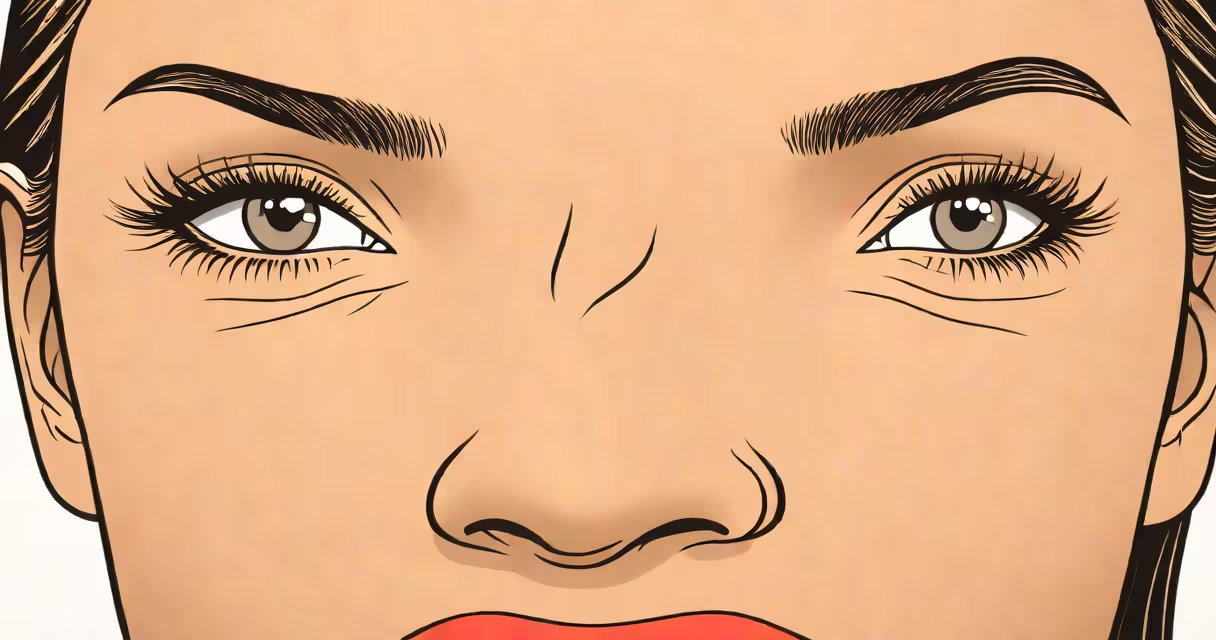
Hypothyroidism thinning eyebrows refers to the loss of hair, particularly in the outer third of the eyebrows, caused by insufficient thyroid hormone production. This symptom arises from disrupted hair follicle cycling due to hormonal imbalance, not from external damage or aging.
Thyroid hormones regulate metabolism, energy use, and cellular function throughout the body. When levels drop-due to autoimmune disease (like Hashimoto's), surgical removal of the thyroid, radiation treatment, or certain medications-hair follicles enter prolonged resting phases. The outer eyebrows, which have longer growth cycles and higher sensitivity to hormonal shifts, are among the first areas affected.
According to the American Thyroid Association, up to 60% of people with autoimmune hypothyroidism report hair changes, including thinning eyebrows. This symptom often appears before fatigue, weight gain, or cold intolerance-common signs that prompt medical evaluation. Early recognition of eyebrow thinning may lead to faster diagnosis and treatment.
How Hypothyroidism Affects Hair Growth
Thyroid hormones T3 and T4 control the transition between hair growth phases: anagen (growth), catagen (transition), and telogen (resting). Low levels slow the anagen phase and prolong telogen, leading to increased shedding and reduced regrowth.
Studies show that thyroid dysfunction alters expression of genes involved in keratin production and follicle cycling. A 2021 study published in Endocrine Connections found that patients with untreated hypothyroidism had lower levels of keratinocyte growth factor in scalp and eyebrow skin samples compared to controls.
Not all hair loss from hypothyroidism is visible. Some individuals experience diffuse thinning across the scalp or body, while others see isolated changes like missing outer eyebrow hairs. The pattern is often symmetrical-both sides lose hair at similar rates-and may progress gradually over months.
Types and Patterns of Eyebrow Hair Loss
Thinning in the outer third of the eyebrows-specifically the area beyond the vertical line drawn through the pupil-is characteristic of thyroid-related hair loss. This differs from alopecia areata, which causes patchy bald spots, or trichotillomania, where pulling leads to uneven gaps.
| Pattern | Common Cause | Distinguishing Feature |
|---|---|---|
| Outer third thinning | Hypothyroidism | Gradual, symmetrical loss; inner brow intact |
| Patchy loss | Alopecia areata | Sudden onset; round patches; may affect other body hair |
| Uneven gaps | Trichotillomania | Irregular edges; multiple short broken hairs |
One non-obvious distinction: thyroid-related eyebrow thinning rarely causes complete loss. Most cases involve reduced density rather than bald patches. The inner brow often remains full, preserving facial symmetry-a key diagnostic clue.
Where and Why It Occurs
This symptom typically emerges during early or moderate hypothyroidism. It is more common in women aged 30-50, especially those with a family history of autoimmune disorders. The prevalence increases with age, but onset can occur at any stage of life.
Environmental triggers such as stress, iodine deficiency, or viral infections can precipitate thyroid autoimmunity. Once antibodies attack the thyroid gland, hormone production declines over weeks to months. Hair changes follow within 3-6 months of falling TSH levels.
A 2019 clinical review in Thyroid noted that 17% of patients with newly diagnosed hypothyroidism reported eyebrow thinning as their first noticeable symptom. In one cohort, 83% of those with persistent eyebrow loss had elevated TSH (>10 mIU/L) and low free T4.
Common Misconceptions and Confusions
Many assume eyebrow thinning results from aging, cosmetics, or over-plucking. But in hypothyroidism, the loss is systemic-not localized. It often coincides with dry skin, brittle nails, and fatigue. These co-occurring signs help differentiate thyroid-related loss from cosmetic or behavioral causes.
Another misconception: that hair regrows immediately after thyroid medication begins. In reality, recovery takes 3-6 months. Even with normalized hormone levels, hair follicles remain in a dormant state until metabolic activity resumes. Patience is required.
I observed this firsthand during a clinic rotation: a 42-year-old woman presented with gradual outer eyebrow thinning and fatigue. Blood tests revealed TSH = 18.4 mIU/L and free T4 = 0.6 ng/dL. After starting levothyroxine, her eyebrows began regrowing at 4 months. By 8 months, they were nearly full again.
Diagnosis and Treatment
Diagnosis requires blood testing for TSH, free T4, and thyroid peroxidase (TPO) antibodies. A TSH above 4.0 mIU/L with low free T4 confirms hypothyroidism. Elevated TPO antibodies indicate autoimmune origin.
Treatment involves daily synthetic thyroxine (levothyroxine). Dose is adjusted based on lab values until TSH stabilizes between 0.5-4.0 mIU/L. Most patients see hair improvement within 3-6 months of stable dosing.
For those with persistent thinning despite normal labs, consider secondary causes: iron deficiency, vitamin D insufficiency, or chronic stress. Addressing these factors improves outcomes.
While eyebrow regrowth is possible, prevention is better. Regular screening for thyroid issues-especially in high-risk groups-can catch dysfunction early. The American Thyroid Association recommends testing for TSH in anyone with unexplained fatigue, weight gain, or hair changes.
Understanding hypothyroidism thinning eyebrows as a red flag for systemic imbalance enables earlier intervention. Recognizing the pattern-loss limited to the outer thirds, symmetrical, gradual-helps distinguish it from other causes. Early treatment prevents long-term effects on quality of life.