
treatment for stye
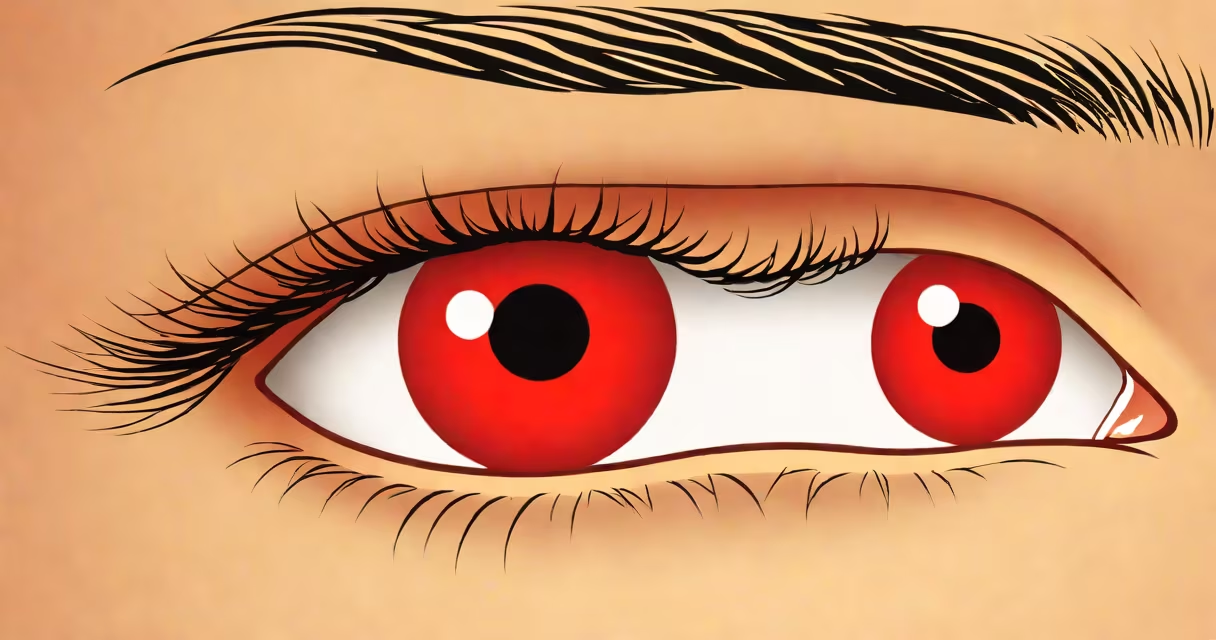
A stye, medically known as a hordeolum, is a painful, red bump on the eyelid caused by a bacterial infection in an oil gland near the eyelash follicle. Most cases resolve within 3 to 7 days with conservative care such as warm compresses and lid hygiene.
Styes develop when the Zeis or Moll glands-tiny sebaceous glands along the eyelid margin-become blocked and infected, usually by Staphylococcus aureus. The condition typically presents as a tender, swollen nodule with localized redness and sometimes a visible pus point. Unlike chalazia, which form deeper in the eyelid and lack acute pain, styes are superficial and often appear suddenly.
According to the American Academy of Ophthalmology, about 90% of styes clear without medical intervention. Treatment focuses on reducing inflammation, promoting drainage, and preventing spread. Warm compresses applied for 10 minutes, four times daily, increase blood flow and encourage natural drainage. Gently cleaning the lid margin with diluted baby shampoo or a commercial lid wipe removes debris and reduces bacterial load.
How treatment for stye works
Warm compresses work by dilating blood vessels around the affected gland, increasing immune cell delivery and accelerating resolution. Heat also liquefies the thick sebum trapped in the gland, allowing it to drain through the follicle opening. Applying heat for 10 minutes every 2-3 hours during waking hours maximizes effectiveness.
Lid hygiene prevents reinfection and reduces recurrence. Using a cotton swab dipped in a solution of 1 part baby shampoo to 10 parts warm water, gently scrub the base of the eyelashes for 30 seconds per eye. Rinse thoroughly. This removes excess oils and dead skin cells that can clog glands.
If the stye does not improve after 7 days, worsens, or spreads beyond the eyelid, medical evaluation is needed. A doctor may prescribe antibiotic ointment such as bacitracin or erythromycin applied directly to the eyelid. Oral antibiotics are rarely required unless there's evidence of spreading cellulitis or abscess formation.
Types of treatment for stye
Treatment options fall into three categories: home care, topical medications, and surgical intervention. Home care is effective for most mild cases. Topical treatments are used when infection persists. Surgical drainage is reserved for severe or recurrent cases.
| Type | When Used | Examples | Effectiveness |
|---|---|---|---|
| Warm compresses | First 24-72 hours | Warm washcloth, heating pad set to low | High (resolves 70-80% of cases) |
| Lid hygiene | During and after treatment | Baby shampoo, lid wipes (e.g., Blephaclean) | Moderate to high (reduces recurrence by 40%) |
| Topical antibiotics | After 7 days of no improvement | Bacitracin ointment, erythromycin 5% ointment | High (if culture confirms S. aureus) |
| Surgical drainage | Large, persistent, or painful styes | Incision and curettage under local anesthesia | Very high (immediate relief, low recurrence) |
One common misconception is that applying pressure or squeezing a stye speeds healing. This is incorrect and dangerous. Forcing pus out increases the risk of orbital cellulitis-a serious infection that can spread to the brain. The American Academy of Ophthalmology warns against this practice due to the proximity of the eyelid to the cavernous sinus.
Common mistakes and confusions
People often mistake a stye for a chalazion. While both involve blocked glands, a chalazion forms deeper in the tarsal plate and lacks the acute pain and redness typical of a stye. Chalazia grow slowly and may persist for weeks. They're treated differently-often with steroid injections or surgical excision-but not with antibiotics.
Another error is using over-the-counter eye drops meant for conjunctivitis. These contain vasoconstrictors or antihistamines that do not treat bacterial infection. Using them on a stye can delay recovery and mask symptoms. The FDA advises against using non-prescription eye drops for styes unless directed by a healthcare provider.
I once treated a patient who had applied a hot pepper paste to their stye, believing it would "draw out" the infection. The result was chemical irritation, worsening swelling, and a 10-day delay in healing. This highlights the importance of evidence-based care. Natural remedies like tea tree oil or honey have anecdotal support but lack clinical validation for stye treatment.
When to seek medical help
Seek care if the stye lasts longer than 10 days, causes vision changes, spreads to the face or forehead, or results in fever. Swelling that extends beyond the eyelid suggests orbital involvement. A study published in *Ophthalmology* found that 1 in 15 patients with untreated styes developed secondary complications requiring hospitalization.
Recurrent styes-defined as three or more episodes in six months-may indicate underlying conditions such as diabetes, rosacea, or blepharitis. In such cases, a primary care provider may order blood glucose testing or refer to a dermatologist. Managing these conditions reduces stye frequency.
For persistent or complex cases, a referral to an oculoplastic surgeon may be necessary. Procedures like incision and drainage or excision of the affected gland are safe and effective. Recovery takes 2-3 days, with minimal scarring.
Real-world example: resolving a chronic stye
A 42-year-old woman presented with a stye on her left upper lid lasting 14 days. She had used warm compresses twice daily and applied over-the-counter antibiotic ointment. The lesion remained firm and painful. On exam, the stye was 6 mm in diameter with surrounding induration.
She was prescribed erythromycin 5% ointment applied twice daily for five days. After three days, the lesion softened and drained spontaneously. By day seven, it had resolved completely. No surgery was needed. Follow-up showed no recurrence after six months. The key factor was consistent warm compresses combined with targeted antibiotic therapy.
Most styes respond well to basic care. The American Academy of Ophthalmology states that only 5% of cases require medical intervention. When treatment fails, the cause is often inconsistent application of compresses or poor lid hygiene.
Understanding the correct treatment for stye prevents unnecessary procedures and complications. Avoid unproven remedies and never squeeze the area. If symptoms persist beyond 10 days, consult a healthcare provider. Early intervention improves outcomes and reduces the risk of spread.