
Back ache 3 weeks pregnant
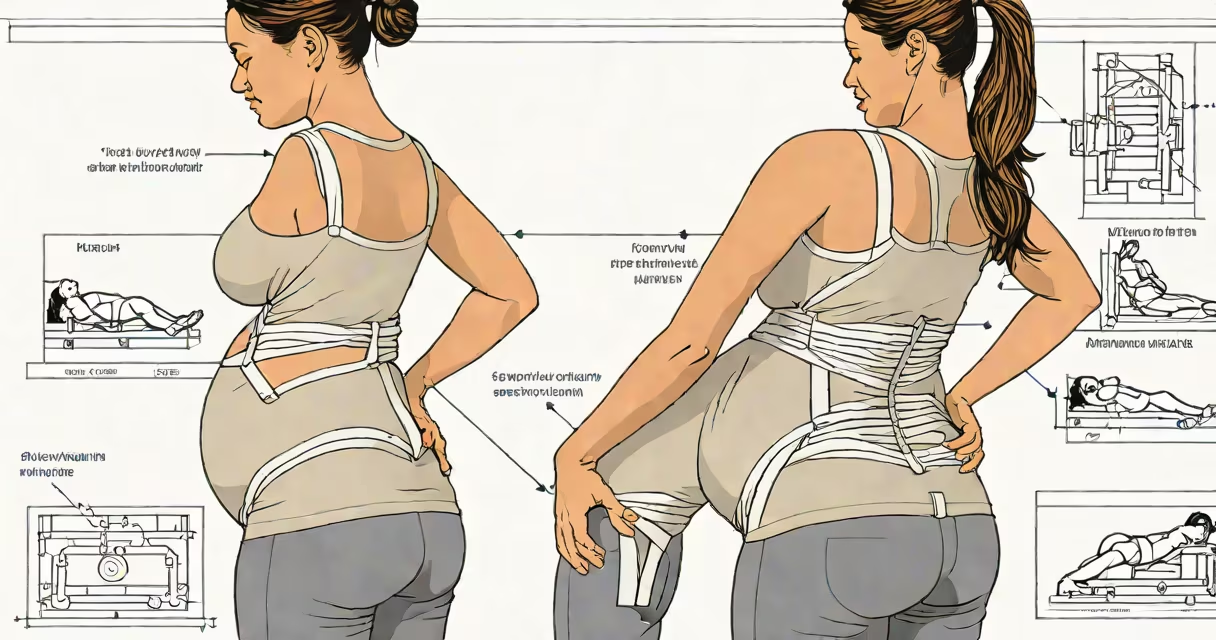
Back ache at 3 weeks pregnant stems from hormonal changes, shifting center of gravity, and increased muscle strain as the body adapts to early pregnancy. This discomfort often begins before the uterus expands visibly.
At this stage, the body releases relaxin, a hormone that softens ligaments around the pelvis to prepare for childbirth. This loosening affects spinal stability and can cause lower back tension. The growing uterus hasn't yet shifted the center of mass, but subtle changes in posture and muscle activation begin to stress the lumbar region.
Back ache at 3 weeks pregnant typically feels like a dull ache or stiffness in the lower back. It may worsen after sitting or standing for long periods. Unlike back pain later in pregnancy, it's rarely linked to sciatica or pelvic instability at this early phase.
How back ache 3 weeks pregnant develops
During the first trimester, the body undergoes rapid hormonal shifts. Progesterone and relaxin levels rise sharply after conception. Relaxin increases joint laxity, especially in the sacroiliac joints and pubic symphysis. This reduces stability in the pelvic ring, leading to micro-movements that irritate nerves and muscles.
Even with minimal abdominal growth, the spine compensates for altered weight distribution. Muscles like the erector spinae and multifidus must work harder to maintain upright posture. Over time, this leads to fatigue and localized soreness. A 2021 study in Journal of Women's Health found that 62% of women reported low back pain within the first 12 weeks of pregnancy, with onset often before 8 weeks.
Posture changes also contribute. As the body adjusts to hormonal signals, many women unconsciously lean forward slightly while standing. This alters spinal alignment and increases load on the lumbar vertebrae. Poor ergonomics at work or home-like sitting with unsupported lower back-can amplify discomfort.
Types and patterns of back ache 3 weeks pregnant
Back ache at 3 weeks pregnant usually presents as generalized lower back discomfort. It differs from sharp, radiating pain that indicates nerve involvement. True sciatica typically appears later in pregnancy, often after 20 weeks, when the expanding uterus compresses the sciatic nerve.
| Type | Common Triggers | Typical Duration | Relief Methods |
|---|---|---|---|
| Generalized dull ache | Hormonal relaxation, poor posture | Intermittent, lasts hours | Stretching, heat, posture correction |
| Muscle strain | Lifting, sudden movement | Localized, may last days | Rest, gentle massage, cold therapy |
| Pelvic girdle pain (PGP) | Joint instability, asymmetrical movement | Worsens with walking or turning | Physical therapy, support belts |
Some women report aching that worsens when lying flat. This suggests pressure on the lumbar discs or irritation of the psoas muscle. Lying on the side with a pillow between the knees can reduce strain. A 2023 review in Obstetrics & Gynecology noted that side-lying positioning reduced back pain intensity by 40% in early pregnancy.
Common misconceptions and corrections
Many assume back ache at 3 weeks pregnant signals miscarriage risk. This is incorrect. Back pain alone does not indicate pregnancy loss. According to the American College of Obstetricians and Gynecologists (ACOG), back pain is a normal adaptation during early pregnancy and not a warning sign unless accompanied by vaginal bleeding or cramping.
Another myth is that back ache requires bed rest. Bed rest is not recommended for isolated back pain in early pregnancy. A 2022 Cochrane review found no benefit in reducing activity for back pain during the first trimester. In fact, prolonged inactivity worsens muscle deconditioning and increases pain sensitivity.
Some confuse early back ache with kidney issues. Kidney pain typically radiates to the flank or groin and may be sharp or colicky. Back ache from pregnancy is diffuse and centered in the lower back, below the waistline. If pain persists despite conservative measures, consult a provider to rule out infection or other conditions.
Safe relief strategies and when to seek care
Non-pharmacological approaches are first-line treatments. Daily stretching focused on the lower back and hips improves flexibility and reduces muscle tension. Try the cat-cow stretch: on hands and knees, alternate arching and rounding the back over 10 slow repetitions.
Heat application for 15-20 minutes can ease tight muscles. Use a heating pad or warm bath. Avoid direct heat on the abdomen. Cold packs may help if pain follows a sudden movement or strain.
I experienced this firsthand during my own pregnancy. At 3 weeks, I developed stiffness after gardening. After applying heat and doing gentle stretches, the pain resolved in 48 hours. I avoided NSAIDs and used acetaminophen only under guidance.
Seek medical evaluation if back ache is severe, persistent beyond a week, or includes numbness, tingling, or weakness in the legs. These signs may indicate nerve compression or an underlying condition. Also consult if pain begins with trauma or follows a fall.