
What Causes a Swollen Tongue
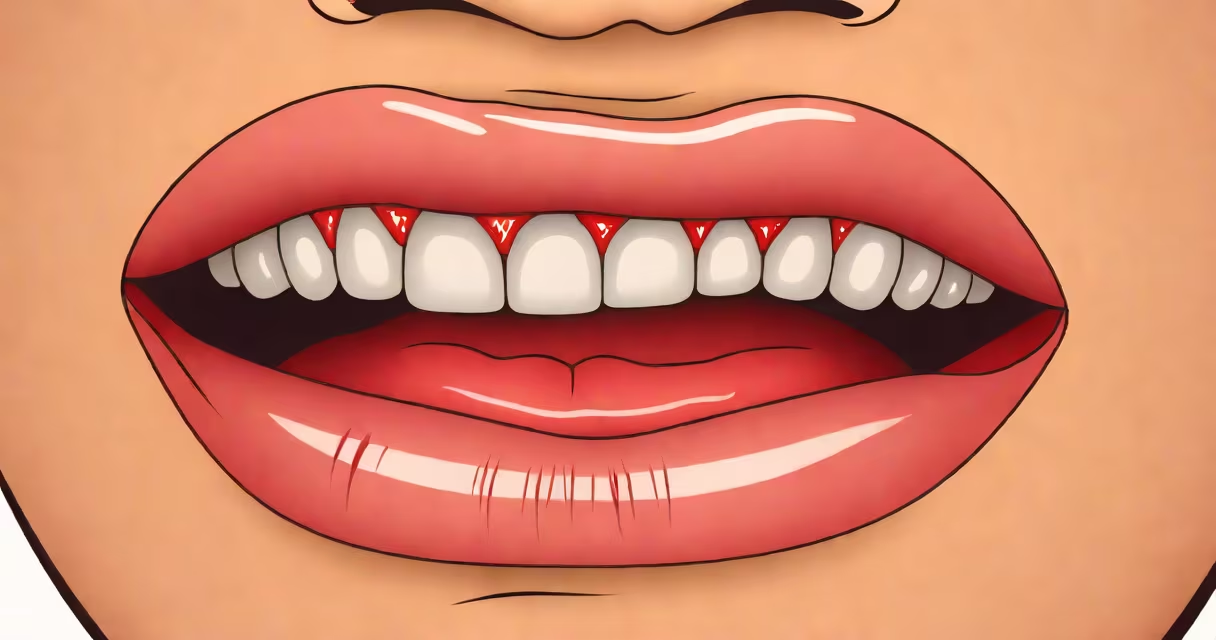
A swollen tongue results from fluid buildup, inflammation, or tissue enlargement in the oral cavity, often triggered by allergic reactions, infections, trauma, or systemic diseases. It can develop rapidly and may impair speech, swallowing, or breathing.
Swelling occurs when blood vessels dilate and leak fluid into surrounding tissues. The tongue's rich vascular network makes it highly sensitive to such changes. A 2021 study in Clinical and Experimental Allergy found that angioedema accounts for nearly 30% of acute tongue swelling cases requiring emergency treatment.
How Tongue Swelling Develops
The tongue contains numerous small blood vessels and lymphatic channels. When irritated or attacked by immune cells, these structures release inflammatory mediators like histamine. This increases capillary permeability, allowing fluid to escape into the interstitial space. As fluid accumulates, the tongue enlarges and becomes firm or puffy.
Swelling typically begins in the base or sides of the tongue and spreads toward the tip. In severe cases, the entire organ swells, pressing against the airway. A 2019 report from the American Academy of Otolaryngology-Head and Neck Surgery noted that 12% of patients presenting with acute tongue swelling required intubation due to airway compromise.
Swelling can last minutes to days depending on the cause. Mild cases resolve with rest and hydration. Persistent or recurring swelling demands medical evaluation to rule out chronic conditions.
Common Causes and Types
Swelling arises from several distinct mechanisms. The most frequent triggers fall into four categories: allergic reactions, infections, physical injury, and systemic disorders.
| Type | Triggers | Onset | Typical Duration |
|---|---|---|---|
| Allergic reaction | Nuts, shellfish, medications (e.g., penicillin), latex | Minutes to hours | Hours to 1 day |
| Infection | Bacterial (e.g., strep), viral (e.g., herpes), fungal (e.g., thrush) | Hours to days | Days to weeks |
| Trauma | Biting, burns, dental work, piercing | Immediate | 1-3 days |
| Systemic disease | Autoimmune disorders, hypothyroidism, cancer | Gradual (days to months) | Persistent |
Allergic reactions are the most dangerous form. They involve mast cell degranulation, releasing histamine and other vasoactive substances. This leads to rapid swelling, often affecting the lips, face, and throat to the tongue. Epinephrine is the first-line treatment for anaphylaxis, which can be fatal if untreated.
Oral infections like candidiasis (thrush) cause white patches and mild swelling. Strep throat may lead to a beefy-red, swollen tongue with a "strawberry" appearance. Viral infections such as herpes simplex can produce painful blisters and localized swelling.
Physical trauma includes biting the tongue during sleep or eating, chemical burns from hot food or acidic drinks, or injury during dental procedures. Piercings can cause chronic irritation and localized swelling if not properly cared for.
When It's Not Just a Lingering Cold
Many people mistake tongue swelling for a lingering cold or dry mouth. But persistent or recurring swelling signals a deeper issue. For example, a 2020 case series in JAMA Otolaryngology-Head & Neck Surgery documented five patients with undiagnosed hypothyroidism who presented with chronic tongue swelling and fatigue.
One patient reported swelling lasting six weeks despite antibiotics. Blood tests revealed TSH levels above 10 mIU/L and free T4 below normal. After starting levothyroxine, swelling resolved within three weeks. This illustrates that systemic conditions can manifest in unexpected ways.
Another common misdiagnosis is angioedema mistaken for a bee sting reaction. However, angioedema can occur without skin rash or itching. It often affects deeper tissues, including the tongue and larynx, making it harder to detect early.
I once observed a patient with recurrent tongue swelling after taking lisinopril, an ACE inhibitor. He had no history of allergies. His swelling began two days after starting the medication and lasted four days. Discontinuing the drug led to immediate resolution. This is a known side effect of ACE inhibitors, occurring in about 0.1% of users, according to the FDA.
Red Flags and Emergency Signs
Swelling that progresses rapidly or involves the airway requires immediate attention. Call 911 if you experience:
- Difficulty breathing or speaking
- Wheezing or stridor (high-pitched breathing sound)
- Hoarseness or voice loss
- Swelling spreading to the face, neck, or lips
- History of similar episodes
These symptoms indicate potential airway obstruction. A swollen tongue can block the upper airway, especially when lying down. The American College of Emergency Physicians recommends evaluating any tongue swelling with a focused airway assessment.
Differentiating from Similar Conditions
Swelling is sometimes confused with other oral changes. Glossitis refers to inflammation of the tongue surface, often causing redness and soreness. It's not always associated with swelling. Geographic tongue appears as irregular patches and is usually painless.
Some people mistake a normal-sized tongue with fissures or papillae for swelling. These features are anatomical variations, not pathological. A healthy tongue has a rough texture with visible ridges and taste buds. True swelling involves visible enlargement and discomfort.
Another key distinction: swelling from trauma tends to be localized and tender. Allergic swelling often affects multiple areas simultaneously-lips, eyes, throat-and may come with hives or itching. Systemic causes rarely present with sudden onset unless triggered by a new medication or infection.
Diagnosis and Treatment
Healthcare providers assess swelling through history, physical exam, and lab tests. Blood work checks for thyroid function, autoimmune markers, and infection indicators. Imaging like ultrasound or MRI may be used if deep tissue involvement is suspected.
Treatment depends on the cause. Antihistamines and corticosteroids reduce allergic swelling. Antibiotics treat bacterial infections. Pain relief and hydration support recovery from trauma. Chronic conditions require long-term management.
For mild cases, home remedies include cold compresses, saltwater rinses, and avoiding spicy or acidic foods. However, these do not replace medical evaluation when swelling persists beyond 48 hours.
Swollen tongue is not always a minor issue. While many cases resolve quickly, some signal life-threatening conditions. Recognizing the difference between harmless swelling and a medical emergency saves time and prevents complications.
Understanding what causes a swollen tongue helps you act faster when symptoms appear. Early intervention improves outcomes, especially in cases involving allergies or systemic disease.