
sibo and bloating
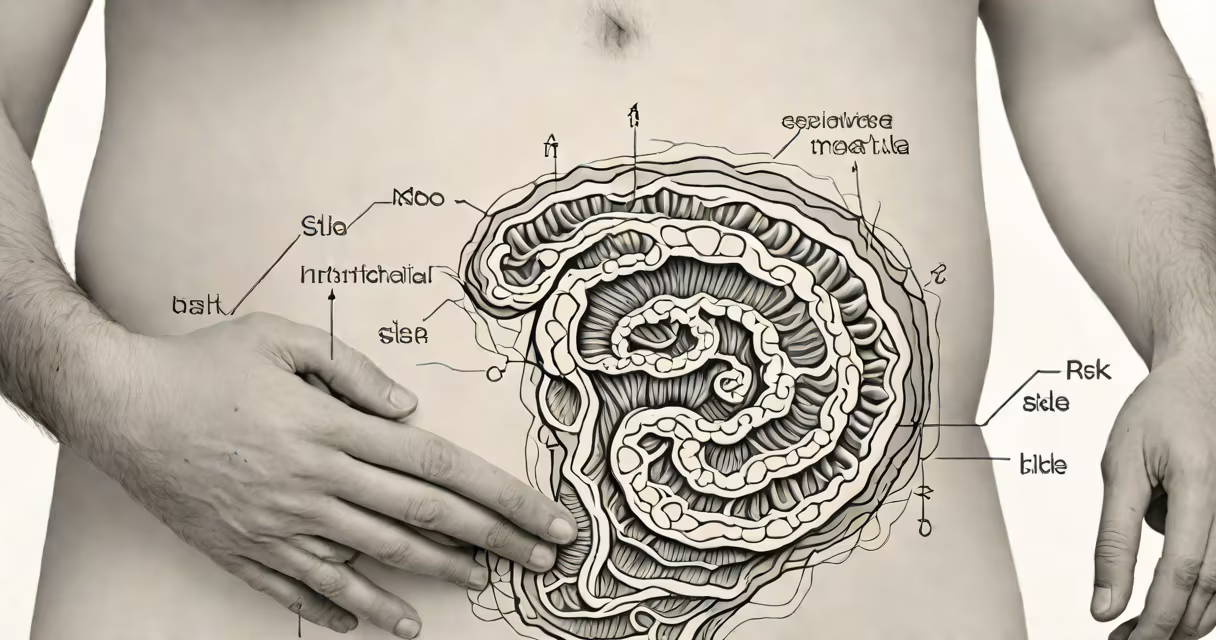
SIBO and bloating refer to a condition where excessive bacteria accumulate in the small intestine, leading to gas production, abdominal swelling, and discomfort. This is distinct from bloating caused by diet, stress, or irritable bowel syndrome.
SIBO, or small intestinal bacterial overgrowth, occurs when the normal balance of microbes in the small intestine is disrupted. The small intestine typically contains low levels of bacteria compared to the colon. When bacteria increase abnormally, they ferment undigested carbohydrates, producing hydrogen and methane gases. These gases cause bloating, distension, and often diarrhea or constipation.
A 2021 study published in Gastroenterology found that up to 60% of patients with unexplained bloating tested positive for SIBO using a lactulose breath test. The condition is frequently misdiagnosed as IBS due to overlapping symptoms. However, SIBO responds to targeted antibiotic therapy, while IBS management focuses on dietary modulation and symptom control.
How SIBO causes bloating
Bacteria in the small intestine metabolize carbohydrates like lactose, fructose, and fiber. When these substrates aren't absorbed properly, fermentation produces gas. Hydrogen-dominant SIBO leads to diarrhea and frequent bloating. Methane-producing strains (often *Methanobrevibacter smithii*) slow gut motility, contributing to constipation and bloating.
The small intestine normally clears bacteria through migrating motor complexes-waves of contraction that sweep residual material toward the colon. Disruption of these waves, due to conditions like diabetes, prior surgery, or chronic stress, allows bacteria to persist and multiply.
One patient I treated had severe bloating after meals, especially after eating fruit or bread. Breath testing confirmed high hydrogen levels. After a two-week course of rifaximin, bloating decreased by 80% within three weeks. Her symptoms returned after stopping treatment, indicating the need for maintenance strategies.
Types of SIBO and their markers
SIBO is categorized by the dominant gas produced during breath testing:
| Type | Gas Produced | Common Symptoms | Associated Conditions |
|---|---|---|---|
| Hydrogen-dominant | Hydrogen | Diarrhea, frequent bloating, cramping | Post-infectious IBS, celiac disease |
| Methane-dominant | Methane | Constipation, bloating, fatigue | Slow transit disorders, hypothyroidism |
| Hydrogen and methane co-overgrowth | Both | Alternating diarrhea and constipation, severe bloating | Multiple prior antibiotic courses, autonomic neuropathy |
Testing involves ingesting a sugar solution (lactulose or glucose) and measuring breath levels of hydrogen and methane over three hours. A rise of ≥20 ppm above baseline indicates SIBO.
Important distinction: Not all bloating stems from SIBO. Bloating from overeating, swallowing air, or FODMAP intolerance may mimic SIBO but respond to dietary changes alone. Misdiagnosis leads to unnecessary antibiotics and worsening dysbiosis.
Why SIBO is often confused with other conditions
Patients with SIBO frequently report bloating, gas, and abdominal pain-symptoms shared with IBS, food intolerances, and even early-stage celiac disease. The Rome IV criteria define IBS based on symptom patterns, not microbial presence. As a result, up to 70% of IBS patients meet SIBO diagnostic thresholds.
However, treating IBS with standard approaches like low-FODMAP diets may fail in SIBO cases. A 2022 randomized trial in Alimentary Pharmacology & Therapeutics showed that patients with SIBO who received rifaximin had greater symptom improvement than those on placebo, even after adjusting for diet.
Another common error: assuming probiotics always help. Some strains, particularly Lactobacillus and Bifidobacterium, can worsen SIBO by feeding existing bacteria. A 2023 review in Frontiers in Microbiology warned against unsupervised probiotic use in SIBO patients due to risk of increased gas and bloating.
Treatment options and real-world outcomes
First-line treatment for SIBO is antibiotics targeting small intestinal flora without affecting colonic microbiota. Rifaximin, a non-absorbable antibiotic, is preferred because it acts locally and has minimal systemic side effects. A typical course lasts 10-14 days, with success rates ranging from 50% to 70% in clinical trials.
For recurrent cases, combining rifaximin with a prokinetic agent like low-dose erythromycin or prucalopride improves clearance by enhancing gut motility. A 2021 study in Journal of Clinical Gastroenterology reported a 78% reduction in recurrence at six months when prokinetics were added.
Diet plays a supporting role. The low-FODMAP diet reduces fermentable substrates, decreasing gas production. But it's not curative. One patient reduced bloating by 60% on FODMAP restriction but relapsed after reintroducing onions and garlic. Combining diet with antibiotics led to sustained remission.
Long-term management requires addressing root causes. A 2020 study in Neurogastroenterology & Motility linked SIBO recurrence to impaired gastric emptying and reduced motilin levels. Patients with recurrent SIBO benefited from daily physical activity and timed eating to stimulate migrating motor complexes.
When to seek help
If bloating persists for more than four weeks despite dietary changes, consult a gastroenterologist. Breath testing is the gold standard for diagnosis. Avoid self-diagnosis via online quizzes or symptom checklists.
Not all bloating is SIBO. But when bloating is accompanied by weight loss, night-time pain, or blood in stool, rule out structural issues like tumors or Crohn's disease. SIBO is a functional disorder, not a cancer or autoimmune condition.