
Define GMO Foods
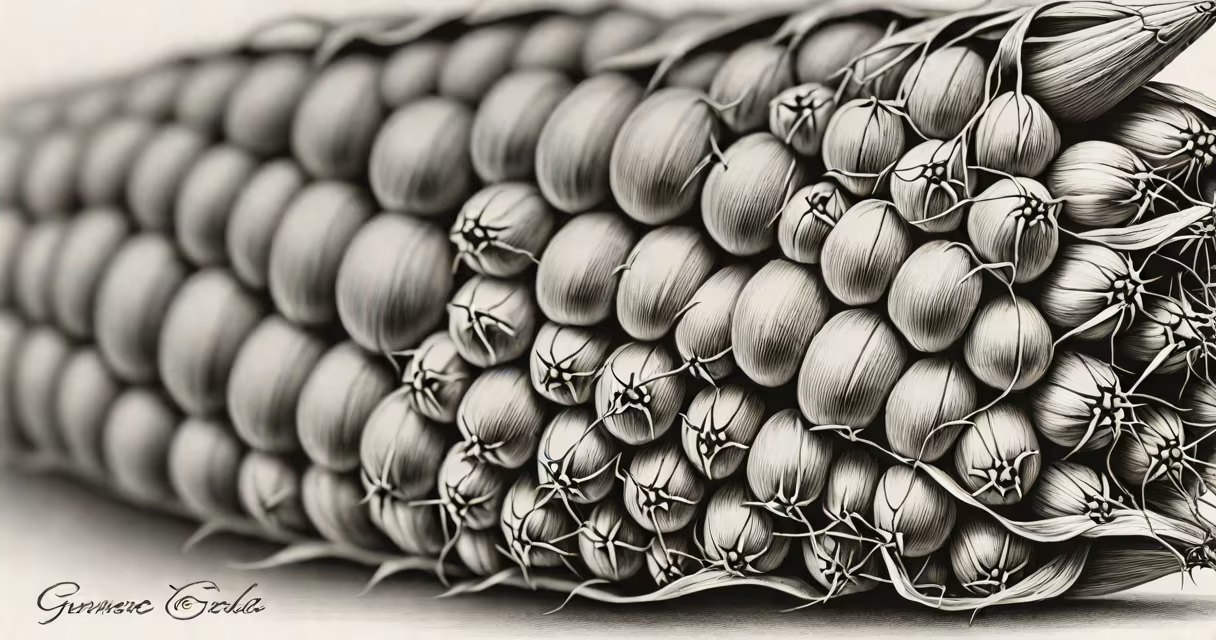
GMO foods are organisms whose DNA has been altered using biotechnology to introduce specific traits not naturally present in the species, such as insect resistance or improved shelf life. This process involves inserting genes from other organisms-bacteria, viruses, or even other plants-to achieve desired outcomes.
The term "genetically modified organism" applies to both plants and animals engineered at the DNA level. In agriculture, GMOs are most commonly used in staple crops like corn, soybeans, cotton, and canola. These modifications aim to improve yield, reduce pesticide use, or improve nutritional value. The U.S. Department of Agriculture (USDA) and the Food and Drug Administration (FDA) oversee the safety and labeling of GMO foods in the United States.
Genetic modification differs from traditional breeding, which relies on cross-pollination over generations. Modern GMO development uses precise laboratory techniques-such as CRISPR-Cas9 or gene gun methods-to insert or edit genes. This allows scientists to make targeted changes within days rather than years.
How GMO Foods Are Created
Scientists identify a gene responsible for a beneficial trait-like producing a protein toxic to certain insects-and isolate it. They then insert that gene into the genome of a crop plant using tools like Agrobacterium-mediated transformation or particle bombardment (gene gun).
For example, Bt corn contains a gene from the soil bacterium *Bacillus thuringiensis* that produces a protein lethal to corn borers. This reduces the need for chemical pesticides. Field trials show Bt corn yields increase by 10-15% compared to non-GMO varieties under pest pressure, according to research published in Nature Biotechnology.
Once modified, the new plant is grown in controlled environments to verify stable expression of the inserted gene. Regulatory agencies require extensive testing for allergenicity, toxicity, and environmental impact before approval for commercial cultivation.
Types of GMO Foods and Their Uses
There are several categories of genetically modified crops based on their intended function:
| Type | Target Trait | Common Examples | Regulatory Oversight |
|---|---|---|---|
| Pest Resistance | Reduces damage from insects | Bt corn, Bt cotton | USDA APHIS, FDA |
| Drought Tolerance | Improves survival in dry conditions | Water-efficient maize (developed by Monsanto) | USDA, EPA |
| Herbicide Tolerance | Survives application of herbicides | Roundup Ready soybeans, canola | FDA, USDA |
| Nutritional Enhancement | Increases vitamin or mineral content | Golden Rice (vitamin A enriched) | WHO, FAO, national regulators |
Golden Rice, developed by researchers at the International Rice Research Institute and Swiss Federal Institute of Technology, is engineered to produce beta-carotene, a precursor to vitamin A. It targets regions where rice is a dietary staple and vitamin A deficiency causes blindness and weakened immunity. Clinical trials in the Philippines showed children consuming Golden Rice met 50% of daily vitamin A needs from just one meal.
A lesser-known fact: Not all GMO crops are field-grown. Some are lab-engineered for pharmaceutical production. For instance, tobacco plants have been modified to produce human antibodies for treating diseases like Ebola. These are called "pharming" crops and are strictly contained to prevent environmental release.
Where and Why GMO Foods Are Used
GMO crops dominate global agriculture. As of 2023, 94% of U.S. corn and 93% of U.S. soybeans were genetically modified, according to the USDA's Economic Research Service. Major producers include Brazil, Argentina, India, and Canada, where adoption rates exceed 80% for key crops.
Developing nations use GMOs to combat food insecurity. In sub-Saharan Africa, drought-tolerant maize trials increased yields by 20-30% during dry seasons. The African Agricultural Technology Foundation supports these efforts, citing reduced crop failure rates and lower input costs.
Despite widespread use, public perception varies. In Europe, strict regulations limit GMO cultivation. Only Spain and Portugal grow approved GM crops commercially. The European Food Safety Authority (EFSA) requires rigorous risk assessments, including long-term animal feeding studies, before approval.
Common Misconceptions and Clarifications
One frequent misunderstanding is that GMO foods are inherently unsafe. The World Health Organization (WHO) states: "There is no evidence that currently available GM foods pose a greater health risk than conventional foods." The organization emphasizes that safety is assessed on a case-by-case basis, not by the method of production.
Another myth is that GMOs cause allergies. While gene insertion can theoretically transfer allergens, regulatory bodies screen for known allergens before approval. The FDA maintains a database of potential allergens and requires developers to perform bioinformatics analysis to rule out cross-reactivity.
Some consumers confuse GMOs with hybrid seeds. Hybridization involves crossing two parent lines to create a superior offspring, but no foreign DNA is introduced. Hybrid seeds do not pass on their traits to future generations unless re-crossed. In contrast, GMOs inherit the modified gene permanently and can be bred into future generations.
I once visited a GMO field trial site in Iowa where researchers grew experimental wheat lines resistant to Fusarium head blight. The plot was enclosed with netting and monitored daily. One researcher pointed to a single ear of wheat with a faint greenish tint-this was a line expressing a fungal resistance gene from barley. The visual difference was subtle, but the data showed a 60% reduction in disease incidence compared to standard varieties.
Labeling and Consumer Choice
In the U.S., the National Bioengineered Food Disclosure Standard (NBFDS) mandates labeling of bioengineered foods since 2022. Products must display "Bioengineered" or a QR code linking to details. However, the law excludes highly processed foods where the original genetic material is undetectable-such as high-fructose corn syrup or vegetable oils derived from GMO crops.
Consumers who wish to avoid GMOs often choose certified organic products. The USDA Organic label prohibits GMO ingredients. But organic certification doesn't guarantee absence of trace contamination due to pollen drift or cross-contamination during processing.
Transparency remains limited. A 2021 study in Environmental Sciences Europe found that only 37% of Americans could correctly identify which foods are typically genetically modified. Misinformation spreads quickly online, especially around claims of "GMOs causing cancer," despite no credible evidence supporting such links.
Final Thoughts
Defining GMO foods means recognizing them as products of deliberate, science-based genetic alteration-not random mutation or natural selection. They are not a monolith: different GMOs serve distinct purposes, undergo unique evaluations, and face varying levels of acceptance worldwide.
Understanding the science behind GMOs helps separate fact from fear. When evaluating a claim about genetic modification, ask: What gene was added? What is the intended benefit? Has it been tested for safety and environmental impact?