
How to Prevent Male Pattern Baldness
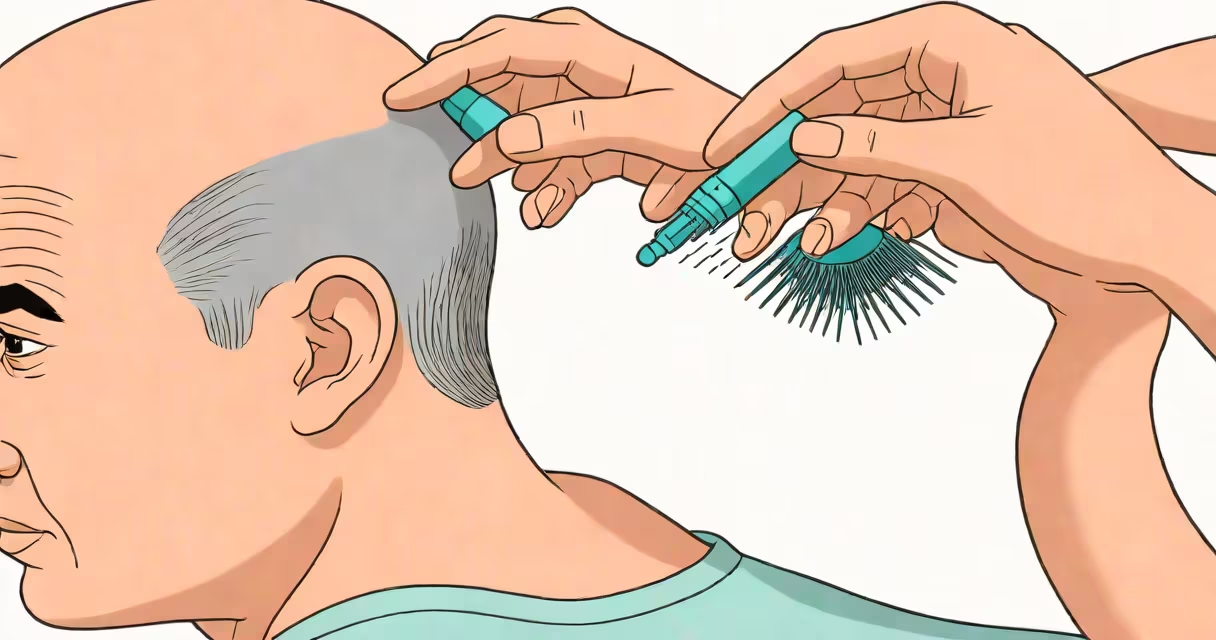
Male pattern baldness, or androgenetic alopecia, is a hereditary condition affecting 50% of men by age 50. Prevention focuses on slowing hair follicle miniaturization through early intervention with FDA-approved medications, lifestyle adjustments, and consistent scalp care.
Genes inherited from either parent determine sensitivity to dihydrotestosterone (DHT), a hormone derived from testosterone. DHT shrinks hair follicles over time, shortening growth phases and leading to finer, shorter hairs until no visible hair remains. This process typically begins in the late teens or early twenties but progresses gradually.
Prevention is most effective when started before significant thinning occurs. Treatments like minoxidil and finasteride interrupt the hormonal pathway that leads to follicle shrinkage. Lifestyle factors such as diet, stress management, and avoiding harsh chemical treatments also play a role in preserving existing hair.
How It Works: The Biology Behind Hair Loss Prevention
Androgenetic alopecia stems from a combination of genetics and hormonal activity. Men with a family history of balding often carry a variant of the AR gene, which increases sensitivity to DHT. When DHT binds to receptors in hair follicles, it disrupts the normal hair cycle, reducing the duration of the anagen (growth) phase.
Over time, follicles enter a prolonged telogen (resting) phase, producing vellus-like hairs-short, fine, unpigmented strands. Eventually, follicles stop producing visible hair altogether. This progression is irreversible without medical intervention.
Prevention strategies aim to delay or halt this process. Minoxidil, applied topically twice daily, extends the anagen phase and stimulates blood flow to follicles. Finasteride, taken orally, inhibits 5-alpha-reductase, the enzyme that converts testosterone to DHT. Clinical trials show finasteride reduces DHT levels by up to 70% in the scalp within six weeks.
Types of Prevention Methods and Their Effectiveness
Three primary approaches exist: pharmacological agents, non-drug therapies, and lifestyle modifications. Each targets different aspects of the hair loss cascade.
| Method | How It Works | Effectiveness (Clinical Data) | Side Effects |
|---|---|---|---|
| Minoxidil (topical) | Stimulates follicular blood flow and prolongs growth phase | 60% of users show increased hair count after 12 months (JAMA Dermatology, 2018) | Scalp irritation (15%), unwanted facial hair (2%) |
| Finasteride (oral) | Inhibits conversion of testosterone to DHT | 80% reduction in hair loss progression at 5 years (NEJM, 2002) | Potential sexual side effects (1-2%, reversible upon discontinuation) |
| Low-level laser therapy (LLLT) | Photobiomodulation improves mitochondrial function in follicles | 15-20% increase in hair density after 6 months (Journal of Clinical and Aesthetic Dermatology, 2014) | Minimal; requires consistent use |
Combining minoxidil and finasteride yields better outcomes than either alone. A 2020 study found 78% of men using both agents maintained or improved hair coverage over two years compared to 42% using placebo.
Non-pharmacological methods like platelet-rich plasma (PRP) injections show promise but lack long-term data. PRP involves injecting concentrated autologous platelets into the scalp to stimulate tissue regeneration. While some patients report visible regrowth, results vary widely between clinics.
Common Misconceptions and Clarifications
Many assume male pattern baldness results solely from poor hygiene or stress. While high cortisol levels may exacerbate shedding, they do not cause the underlying genetic mechanism. Stress-related hair loss-telogen effluvium-is temporary and distinct from androgenetic alopecia.
Another myth is that frequent shampooing causes balding. Washing the scalp daily does not affect DHT production or follicle health. In fact, regular cleansing removes sebum buildup that can clog follicles and worsen inflammation.
A lesser-known fact: early treatment improves long-term outcomes. A 2019 analysis published in Dermatologic Surgery found that men who began finasteride before age 30 had a 37% higher chance of maintaining moderate hair density at age 50 compared to those who delayed treatment.
Real-World Application: A Case Study
Consider James, a 28-year-old software developer with a father and grandfather who experienced early-onset balding. At age 25, he noticed a receding hairline and increased shedding during showers. He consulted a dermatologist and was diagnosed with stage 2 male pattern baldness on the Norwood scale.
James started a regimen: 5% minoxidil solution applied twice daily and 1 mg finasteride daily. He also reduced alcohol intake, increased protein consumption, and avoided tight hats that compressed the scalp. After 18 months, clinical photos showed a 30% increase in hair density in the frontal region. His hairline stabilized, and new terminal hairs emerged in previously thin areas.
He continued treatment beyond 24 months. When he stopped finasteride for three months due to personal reasons, he experienced rapid shedding-confirming the drug's ongoing effect. Restarting it halted further loss.
This case illustrates that prevention is not about reversing advanced baldness but preserving what remains. Once follicles are inactive, regrowth is unlikely without surgical intervention.
When to Seek Help and What to Avoid
Consult a board-certified dermatologist before starting any treatment. Self-diagnosis can lead to misuse of products like unregulated "natural" supplements claiming to block DHT. Many contain ingredients with no scientific basis-such as saw palmetto extracts, which show inconsistent results in human trials.
Products marketed as "miracle cures" often exploit fear and misinformation. A 2021 FDA warning letter targeted a company selling a "DHT-neutralizing serum" with no clinical evidence. The product contained no active ingredient proven to affect DHT levels.
Early action is critical. Waiting until the crown is completely bald limits options. Surgical solutions like follicular unit transplantation (FUT) or FUE require donor hair reserves that diminish with age. Starting treatment in your late twenties preserves more potential for natural hair retention.
Preventing male pattern baldness is achievable through science-backed interventions. Consistency, early diagnosis, and realistic expectations are key. The goal is not to restore childhood hair volume but to maintain a stable, natural appearance for decades.