
What Can a Tick Bite Do
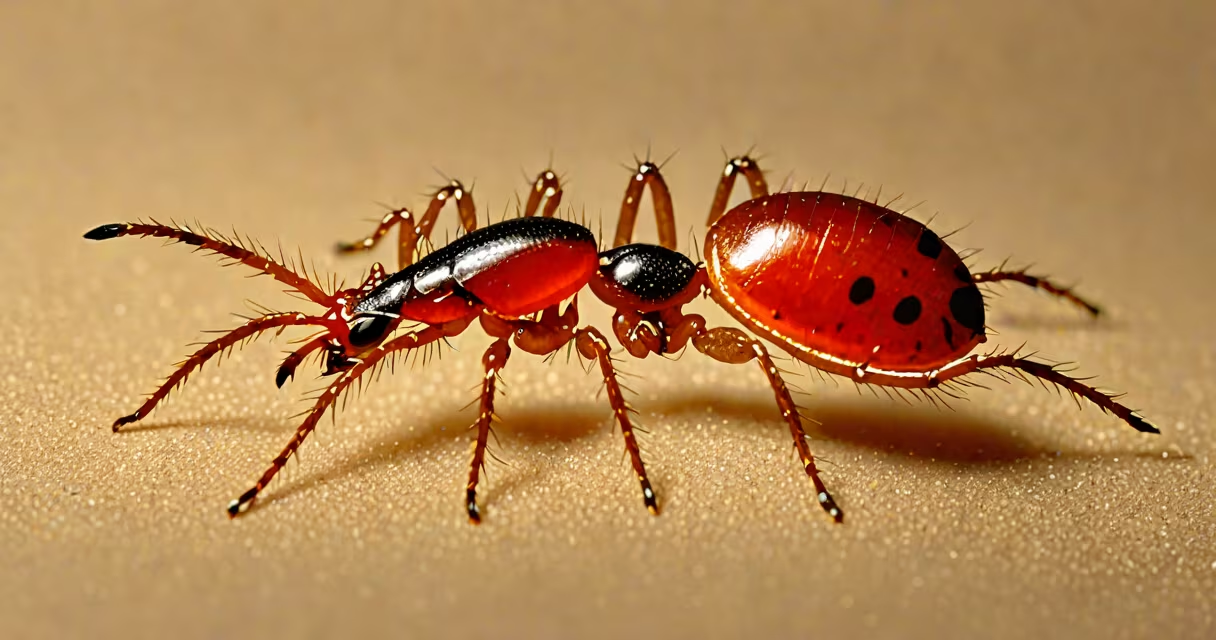
A tick bite can transmit pathogens that cause serious illnesses such as Lyme disease, Rocky Mountain spotted fever, and babesiosis. These diseases develop after the tick feeds for several hours, often leaving no visible sign at the site. Early recognition of symptoms is critical to prevent chronic health issues.
Ticks are arachnids that attach to warm-blooded hosts, including humans, to feed on blood. They use specialized mouthparts to pierce the skin and secrete saliva containing anticoagulants and immune suppressants. This allows them to remain attached for days while feeding. During this time, they may transfer bacteria, viruses, or parasites into the bloodstream.
Not all tick bites result in illness. The risk depends on the tick species, geographic location, and whether the tick was infected. For example, black-legged ticks (Ixodes scapularis) in the northeastern and upper midwestern U.S. carry Borrelia burgdorferi, the bacterium responsible for Lyme disease. In contrast, lone star ticks (Amblyomma americanum) in the southeastern U.S. can transmit ehrlichiosis and tularemia.
How Tick Bites Transmit Disease
Disease transmission occurs when an infected tick feeds for a sufficient duration-typically 36 to 48 hours for Lyme disease. The longer the attachment, the higher the chance of pathogen transfer. Ticks do not jump or fly; they wait on vegetation and latch onto passing hosts through a process called questing.
Once attached, the tick's saliva contains compounds that prevent clotting and reduce inflammation, allowing it to feed undetected. Some pathogens even manipulate host immune responses to improve their survival. For instance, Borrelia burgdorferi alters the expression of host proteins to evade detection.
Transmission is not guaranteed with every bite. A study published in The Journal of Infectious Diseases found that only about 1-3% of tick bites in endemic areas lead to Lyme disease, depending on local infection rates in tick populations. However, even low-probability events can have severe outcomes if untreated.
Common Illnesses Caused by Tick Bites
Several diseases are transmitted by ticks, each with distinct symptoms and treatment protocols. The most well-known is Lyme disease, caused by Borrelia burgdorferi. Early signs include a characteristic bullseye rash (erythema migrans), fatigue, fever, and joint pain. Without treatment, the infection can spread to the heart, nervous system, and joints.
Rocky Mountain spotted fever (RMSF), caused by Rickettsia rickettsii, presents with sudden high fever, severe headache, muscle pain, and a rash that starts on the wrists and ankles and spreads inward. RMSF is fatal in up to 10% of untreated cases, according to the Centers for Disease Control and Prevention (CDC).
Babesiosis, caused by a parasite that infects red blood cells, leads to flu-like symptoms, anemia, and liver abnormalities. It is particularly dangerous in older adults or those with weakened immune systems. A 2021 CDC report documented 1,200 confirmed cases in the U.S., with 15% requiring hospitalization.
| Disease | Causative Agent | Typical Symptoms | Incidence Rate (U.S.) |
|---|---|---|---|
| Lyme disease | Borrelia burgdorferi | Bullseye rash, fatigue, joint pain, neurological issues | 47,000 cases annually (CDC) |
| Rocky Mountain spotted fever | Rickettsia rickettsii | Fever, headache, rash, organ failure | 600-700 cases yearly (CDC) |
| Babesiosis | Babesia microti | Chills, anemia, dark urine, high fever | 1,200 confirmed cases (2021 CDC) |
What to Watch For After a Tick Bite
Many people don't feel anything during a tick bite. The bite itself is usually painless. The first warning sign is often a rash or systemic symptoms appearing days to weeks later. A rash at the bite site-especially one that expands over time-is a key indicator of Lyme disease.
For reference, the CDC defines erythema migrans as a rash that grows larger over days, often forming a "bullseye" pattern with central clearing. Not all Lyme rashes follow this pattern; some appear as solid red patches. The rash typically appears within 3 to 30 days after the bite.
Other red flags include unexplained fever lasting more than 24 hours, swollen lymph nodes, muscle aches, or new-onset facial droop (a sign of Bell's palsy linked to Lyme). If any of these occur, seek medical evaluation within 72 hours. Delaying treatment increases the risk of persistent arthritis, neurological damage, or cardiac complications.
Common Misconceptions and Clarifications
One widespread myth is that a tick bite always causes a rash. This is false. Up to 20% of Lyme disease cases present without a rash, especially in children and immunocompromised individuals. Another misconception is that removing a tick immediately eliminates risk. While prompt removal reduces exposure time, the pathogen may already have entered the bloodstream if the tick fed for more than 24 hours.
Another error is assuming all rashes from tick bites are Lyme-related. A rash from a tick bite can also stem from allergic reactions or secondary infections. For example, a 2019 study in Emerging Infectious Diseases reported that 15% of patients with tick bite rashes had no evidence of Borrelia infection. Always confirm diagnosis via testing.
There is also confusion between tick-borne encephalitis and Lyme disease. Encephalitis is rare in North America but common in parts of Europe and Asia. It causes brain swelling and requires urgent care. In the U.S., Lyme remains the primary concern.
Real-World Example: A Case from New York State
In 2022, a 42-year-old woman from Westchester County removed a tick she found on her leg after hiking in a wooded area. She noticed a small red spot at the site but assumed it was irritation. Four days later, she developed a fever, chills, and joint pain. The rash expanded to cover her left arm and shoulder.
She sought care at a local clinic. Blood tests confirmed positive IgM antibodies for Borrelia burgdorferi. She was treated with doxycycline for 21 days. Her symptoms resolved within two weeks. Had she waited another week, she might have developed chronic joint inflammation or neurological symptoms.
This case illustrates how asymptomatic initial bites can progress rapidly. The patient had no prior history of tick exposure and didn't recall seeing the tick. Her story underscores the importance of checking for ticks after outdoor activity-even if none were seen.
What to Do After a Tick Bite
If you find a tick attached, remove it promptly using fine-tipped tweezers. Grasp the tick close to the skin and pull upward with steady pressure. Avoid twisting or crushing the body. Clean the bite site with soap and water or alcohol.
Do not use home remedies like petroleum jelly, heat, or nail polish. These methods increase the risk of incomplete removal and may trigger the tick to regurgitate pathogens into the wound. The CDC recommends saving the tick in a sealed container for identification and possible testing.
Monitor your health for 30 days. If you develop a rash, fever, fatigue, or joint pain, contact a healthcare provider. Even if you're unsure whether the tick was attached long enough, early treatment improves outcomes. Antibiotics are effective when given soon after infection.
Prevention is key. Wear long sleeves and pants in wooded or grassy areas. Use permethrin-treated clothing and DEET-based repellents. Perform tick checks every 2-3 hours during outdoor activities. Check pets too-they can bring ticks indoors.
Understanding what can a tick bite do helps you act quickly. Early intervention stops mild infections from becoming debilitating conditions. Awareness and timely action save lives.