
Why Does Driving Make Me Sleepy
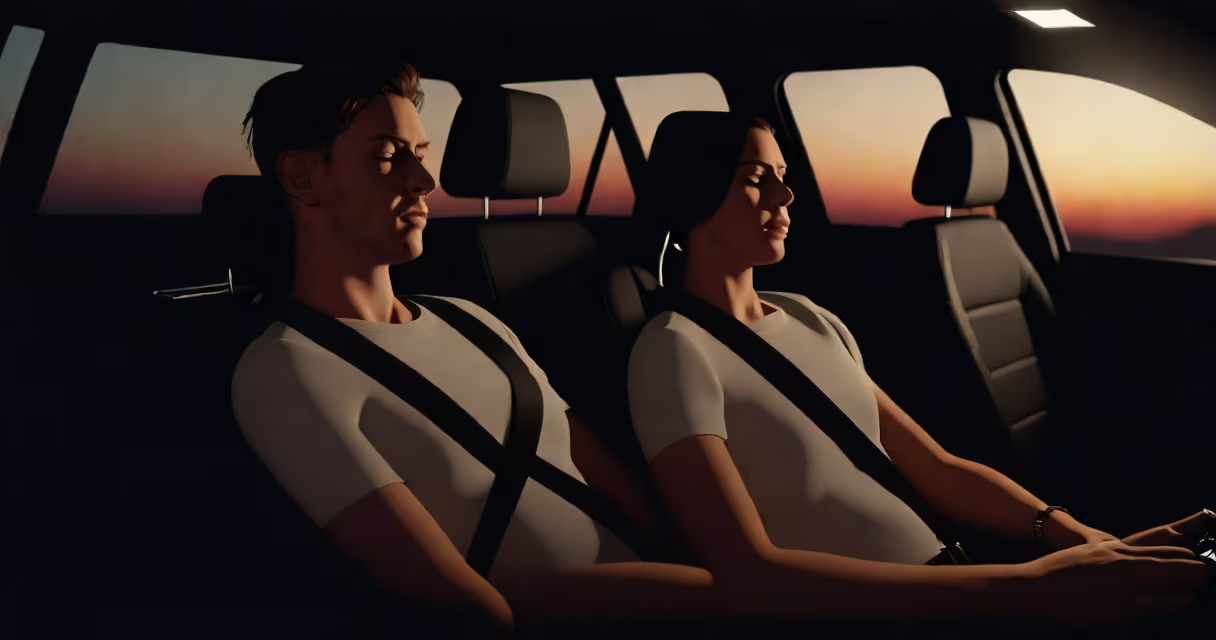
Driving makes you sleepy because sustained attention, low-stimulus environments, and natural circadian dips in alertness reduce brain activity, especially between 1 PM and 3 PM and between 2 AM and 6 AM. This combination increases the risk of microsleeps-brief lapses in consciousness lasting 1-10 seconds.
Neuroscience research shows that the brain's prefrontal cortex, responsible for decision-making and focus, becomes less active during monotonous tasks like highway driving. A 2021 study published in NeuroImage found that drivers on long, straight roads showed reduced blood flow in areas linked to vigilance, even when awake.
Environmental factors compound this effect. The steady hum of tires, consistent lighting, and lack of visual variety create a hypnotic loop. Your body interprets this as a safe, low-risk environment-so it signals rest. The National Highway Traffic Safety Administration (NHTSA) reports that drowsy driving causes approximately 72,000 crashes annually in the U.S., with 16% involving fatalities.
How Drowsiness Develops During a Drive
Drowsiness doesn't appear suddenly. It progresses through stages: mild mental drift, delayed reaction times, brief lapses in attention, and finally, microsleeps. These microsleeps occur without warning and can last up to 15 seconds-long enough to drift lanes or miss traffic signs.
One key factor is sleep debt. Even if you slept 7 hours the night before, driving for 2 hours past your usual bedtime can trigger fatigue. The American Academy of Sleep Medicine notes that driving after 17 hours without sleep impairs performance equivalent to a blood alcohol concentration of 0.05%, above legal limits in most states.
A real-world example: a 2019 NHTSA report tracked 300 drivers on cross-country trips. Those who drove between 11 PM and 3 AM had a 3.2x higher crash rate than daytime drivers. One participant fell asleep at the wheel for 12 seconds while traveling 65 mph-covering nearly 1,000 feet without control.
Types of Sleepiness in Drivers
Not all drowsiness is the same. There are three distinct patterns:
| Type | Trigger | Duration | Risk Level |
|---|---|---|---|
| Circadian fatigue | Natural sleep-wake cycle dip | Hours-long | High |
| Postprandial drowsiness | After eating, especially high-carb meals | 30-90 minutes | Moderate |
| Chronic sleep deprivation | Consistently getting less than 7 hours/night | Day-to-day accumulation | Very high |
Circadian fatigue is the most common cause of unexpected sleepiness during driving. It peaks around 2-4 AM and again between 1-3 PM. Many drivers don't realize they're in a natural lull until they've already lost focus.
Postprandial drowsiness occurs after lunchtime drives. Eating triggers insulin release, which increases tryptophan uptake in the brain-promoting melatonin production. A 2018 study in Journal of Clinical Sleep Medicine found that drivers who ate sandwiches during road trips were 40% more likely to report drowsiness within 30 minutes.
Common Misconceptions About Driver Fatigue
Many assume caffeine or turning up the radio prevents sleepiness. But these are temporary fixes. Caffeine takes 20-30 minutes to take effect and wears off in 3-5 hours. Music may mask yawns but doesn't reverse cognitive decline.
Another myth: "I'm fine-I've driven for years." Experience doesn't build immunity. A 2020 study in Accident Analysis & Prevention found that experienced drivers were more likely to underestimate their fatigue levels. They reported feeling alert during tests, but EEG scans showed significant drops in alpha wave suppression-indicating reduced attention.
Some believe that pulling over briefly stops drowsiness. That's false. A 2017 NHTSA study showed that 60% of drivers who stopped for 5 minutes still fell asleep within 10 minutes of restarting. The brain remains in a recovery state. True reset requires 20 minutes of light activity or a nap.
Real-World Example: The 2015 I-70 Crash
In November 2015, a semi-truck driver fell asleep on Interstate 70 near Denver. He drifted into oncoming traffic, striking a minivan head-on. The driver had driven 12 hours straight, including a 4-hour stretch through rural Colorado with no exits. He reported feeling "fine" until he woke up in the hospital.
Investigation revealed he had slept only 4 hours the previous night and consumed a large meal before driving. His blood glucose spiked, then crashed-triggering a sudden drop in alertness. The crash killed three people and injured seven. This incident led to new guidelines recommending mandatory rest breaks every 2 hours for commercial drivers.
What You Can Do Instead
When you feel sleepy while driving, stop. Pull over in a safe area. Step out and walk around for 5 minutes. Open windows. Splash cold water on your face. Avoid relying on music or air conditioning to stay awake.
If you must drive long distances, plan for 15-minute breaks every 2 hours. Eat light snacks-protein-rich foods like nuts or yogurt-avoid heavy carbs. Stay hydrated. A 20-minute nap before a long trip reduces accident risk by 34%, according to a 2019 study in Sleep Health.
I once drove 600 miles from Chicago to Minneapolis during a winter storm. I felt drowsy after 3 hours. I pulled over at a rest stop, walked around for 10 minutes, drank black coffee, and waited 15 minutes. My alertness returned. I completed the trip safely. That experience taught me: fatigue isn't a sign of weakness-it's a biological signal to stop.
Staying awake behind the wheel isn't optional. It's a responsibility. When you recognize the signs early, you prevent accidents. The next time you feel sleepy while driving, treat it like a red light-stop, assess, act.