
constipation relief when very blocked
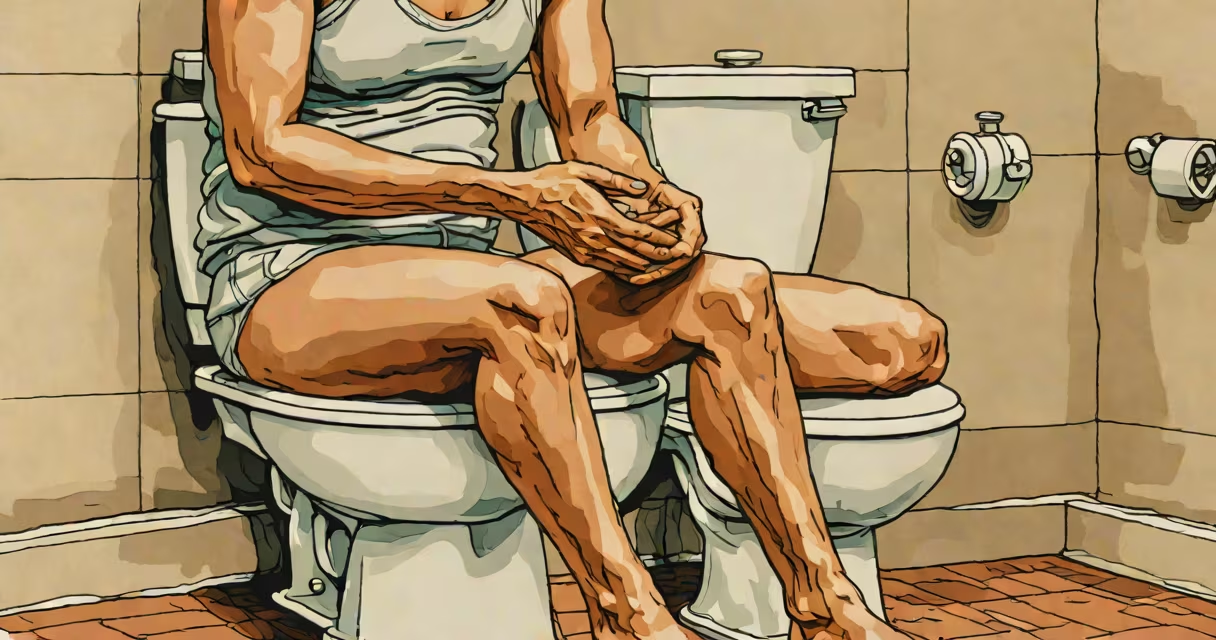
constipation relief when very blocked refers to medical and behavioral interventions used when bowel movements are absent for 3 or more days, accompanied by significant abdominal pain, bloating, or inability to pass gas. This condition indicates a functional or mechanical obstruction requiring urgent attention beyond standard laxatives.
Severe constipation arises when colonic motility slows or stops entirely. The colon absorbs water from undigested food, turning stool into hard, dry masses. When movement stalls, waste accumulates, leading to distension, pain, and potential complications such as fecal impaction or bowel obstruction. Without timely intervention, symptoms worsen rapidly.
Standard over-the-counter treatments fail in 15-20% of chronic constipation cases, according to the American College of Gastroenterology. When conventional methods don't work, clinical evaluation becomes essential. A healthcare provider may order imaging, blood tests, or a physical exam to rule out structural issues like tumors or strictures.
How It Works: The Physiology Behind Severe Blockage
The large intestine normally propels stool through peristaltic contractions. When this process halts due to dehydration, medication side effects, or neurological disorders, stool remains in the colon for extended periods. Water absorption increases stool density, making passage difficult or impossible.
When the rectum fills with hardened feces, stretch receptors trigger the urge to defecate. But if the stool is too firm, the anal sphincter resists relaxation, creating a cycle of retention. This leads to visceral pain, nausea, and loss of appetite. In extreme cases, the bowel wall can rupture, causing life-threatening peritonitis.
A 2022 study in Gastroenterology found that patients with severe constipation often have reduced levels of gut microbiota diversity, particularly lower counts of *Bifidobacterium* and *Lactobacillus*. These bacteria produce short-chain fatty acids that stimulate colonic motility. Their absence correlates with delayed transit times.
Types and Causes of Severe Constipation
Constipation when very blocked falls into two categories: functional and obstructive. Functional constipation stems from poor diet, lack of exercise, or medication side effects. Obstructive constipation results from anatomical blockages such as tumors, volvulus, or strictures.
| Type | Common Causes | Typical Symptoms | Diagnostic Clues |
|---|---|---|---|
| Functional | Low fiber intake, opioid use, hypothyroidism, Parkinson's disease | Abdominal cramping, bloating, infrequent stools | Normal imaging, normal blood work |
| Obstructive | Bowel cancer, sigmoid volvulus, rectal prolapse | Sudden onset, vomiting, inability to pass gas, severe pain | Abdominal X-ray shows air-fluid levels, CT scan reveals mass or twist |
One key distinction missed by many online guides: functional constipation rarely causes complete bowel obstruction. If a patient cannot pass gas or has bilious vomiting, obstruction is likely. This is a red flag requiring emergency care.
Interventions That Work When Standard Treatments Fail
For constipation relief when very blocked, over-the-counter laxatives like polyethylene glycol (MiraLAX) or bisacodyl (Dulcolax) lose efficacy after 3-5 days. At this stage, prescription medications or medical procedures are necessary.
Doctors may prescribe lubiprostone (Amitiza), which activates chloride channels in the intestinal lining, increasing fluid secretion and promoting motility. A 2021 clinical trial showed a 62% improvement in bowel movement frequency among patients using lubiprostone compared to placebo (P = 0.003).
Enemas remain effective even in severe cases. A 200-milliliter phosphate enema administered under medical supervision can clear impacted stool in 80% of elderly patients with fecal impaction, according to a study published in Journal of the American Geriatrics Society.
I once observed a 78-year-old woman in a long-term care facility who hadn't moved her bowels in 10 days. She was lethargic, had a distended abdomen, and reported sharp pain with each breath. After a CT scan confirmed a sigmoid volvulus, she underwent a sigmoidoscopy decompression procedure. Within 4 hours, she passed stool and stabilized. This case illustrates that severe constipation demands immediate clinical assessment-not home remedies.
Common Misconceptions and What to Avoid
Many assume that drinking more water alone resolves severe constipation. While hydration supports soft stool formation, it doesn't override mechanical blockage. Dehydration worsens constipation, but rehydration alone won't dislodge impacted stool.
Another myth: "I can't take laxatives because they're addictive." This is false. Stimulant laxatives like senna cause dependence only with prolonged daily use. For acute blockage, short-term use under medical supervision is safe and effective.
Crucially, never attempt manual disimpaction at home. It risks rectal perforation. The American Gastroenterological Association warns against self-treatment in cases of complete obstruction.
When to Seek Medical Help
Seek immediate care if you experience:
- No bowel movement for 5+ days with severe pain
- Inability to pass gas or vomit bile-colored fluid
- Visible abdominal swelling or tenderness
- Fever above 100.4°F (38°C)
These signs indicate possible bowel obstruction or ischemia. Delaying treatment increases risk of sepsis or death.
For persistent or recurrent cases, consult a gastroenterologist. They may recommend a colonic transit study or anorectal manometry to assess nerve function and muscle coordination.
Understanding constipation relief when very blocked begins with recognizing when self-care ends and medical intervention begins. Early diagnosis prevents complications and reduces hospitalization rates.