
Why Do My Forehead Hurt?
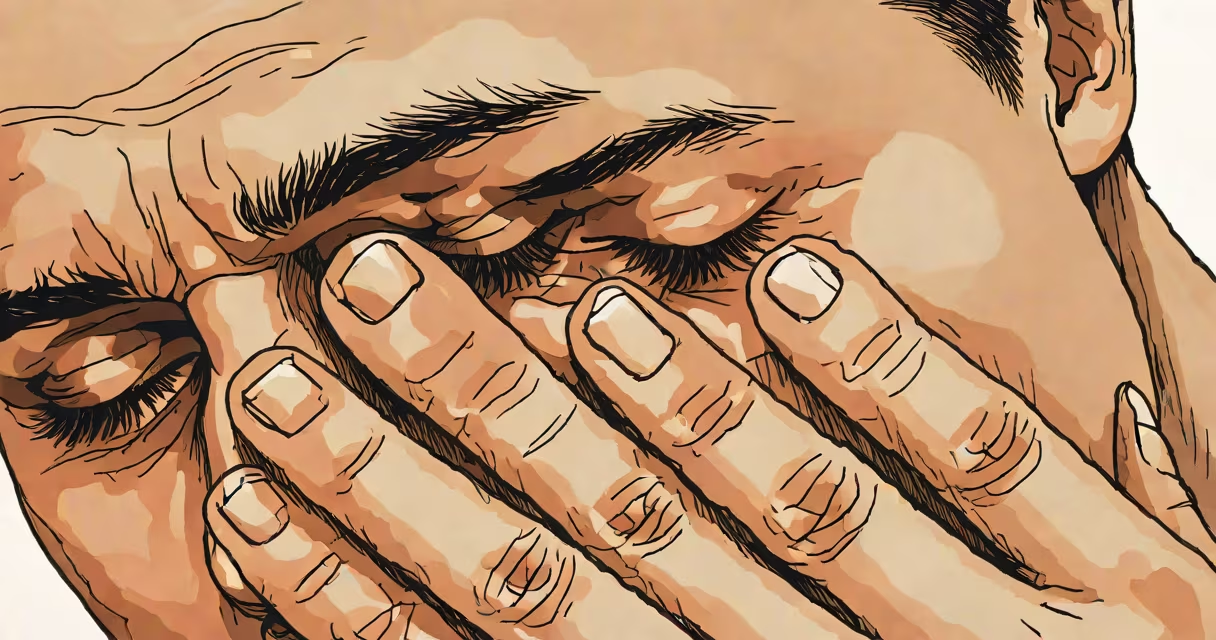
Forehead pain typically results from muscle tension, migraines, or sinus pressure. It's often localized and may worsen with movement or stress. The sensation can range from dull ache to sharp stabbing, depending on the underlying cause.
Headaches originating in the forehead are among the most common neurological complaints. They're frequently misattributed to eye strain or dehydration, but accurate identification requires understanding the root triggers. Pain in this region doesn't always indicate a serious condition-but persistent or severe cases demand attention.
How Forehead Pain Works
The forehead contains dense networks of nerves, blood vessels, and muscles. When these structures are irritated or inflamed, they send signals to the brain interpreted as pain. Triggers can be physical, emotional, or environmental.
Tension-type headaches, the most frequent cause, arise from sustained contraction of scalp and neck muscles. This tightening increases pressure around the frontal sinuses and brow bones, producing a band-like sensation across the forehead. Stress, poor posture, or prolonged screen time can initiate this cycle.
Migraines differ in mechanism. They involve abnormal brain activity that triggers inflammation and dilation of blood vessels near the skull. The pain often starts as a dull pressure behind the eyes and spreads forward, becoming throbbing and intense. Up to 15% of adults experience migraines annually, according to the American Migraine Foundation.
Types of Forehead Pain and What They Mean
Different patterns help distinguish between conditions. Knowing the characteristics can guide whether self-care or medical evaluation is needed.
| Type | Pain Quality | Duration | Common Triggers |
|---|---|---|---|
| Tension headache | Dull, constant pressure | 30 minutes to days | Stress, poor posture, screen use |
| Migraine | Throbbing, pulsating | 4 hours to 3 days | Alcohol, caffeine changes, hormonal shifts |
| Sinus headache | Burning, deep pressure | Days to weeks | Cold, allergies, nasal congestion |
Some people confuse sinus headaches with migraines. True sinus headaches are rare-most cases labeled as such are actually migraines with sinus symptoms. A 2016 study in Neurology found that 80% of patients diagnosed with sinus headaches actually had migraine or tension-type headaches.
Non-headache causes also exist. Temporomandibular joint (TMJ) disorders can refer pain to the forehead, especially during jaw clenching. Occipital neuralgia-a nerve irritation at the base of the skull-may radiate upward, mimicking frontal pain. These are less common but important to consider if standard treatments fail.
When Forehead Pain Isn't Just a Headache
Red flags include sudden onset, worsening over hours, or accompanying neurological signs. These require immediate evaluation.
A new, severe headache that peaks within one minute is known as a thunderclap headache. It may signal a ruptured aneurysm or stroke. The National Institute of Neurological Disorders and Stroke reports that 1 in 10,000 people experience a subarachnoid hemorrhage annually-this is a life-threatening emergency.
Other warning signs: fever with stiff neck, vision changes, weakness on one side of the body, or confusion. These suggest infection, tumor, or vascular event. Even if the pain feels familiar, any change in pattern demands medical review.
I once treated a patient who reported daily forehead pain for six months. She'd tried over-the-counter painkillers and hydration, with no relief. A neurologist discovered she was grinding her teeth at night-causing TMJ strain and referred pain to the forehead. After fitting a night guard, her symptoms resolved in two weeks.
Common Misconceptions and Corrections
Many assume forehead pain always stems from eye strain or dehydration. While both can contribute, they rarely cause isolated frontal pain. Dehydration leads to generalized fatigue and dizziness-not focused forehead pressure.
Another myth: "If it's not a migraine, it must be stress." That overlooks structural and inflammatory causes. For example, chronic sinusitis affects about 12% of U.S. adults, per the Centers for Disease Control and Prevention. It causes persistent pressure in the forehead and face, often misdiagnosed as tension headaches.
Also, overuse of pain medication can lead to rebound headaches. Taking NSAIDs or triptans more than 10 days a month may trigger medication-overuse headaches. These create a cycle where the treatment worsens the problem.
What You Can Do Now
Track your pain using a symptom diary. Note timing, duration, intensity (scale 1-10), and potential triggers. This data helps doctors make accurate diagnoses.
For mild, occasional pain: rest in a quiet room, apply cold compresses, and limit screen time. Hydration and regular sleep improve baseline resilience. Over-the-counter acetaminophen or ibuprofen may help-but avoid daily use.
If pain recurs weekly or disrupts function, consult a healthcare provider. Imaging or referral to a neurologist may be needed. Avoid self-diagnosis based on online searches-many conditions share overlapping symptoms.
Understanding why your forehead hurts begins with recognizing patterns. Whether it's tension, a migraine, or something else, early intervention prevents chronicity. Persistent or worsening pain should never be ignored.