
What Causes Shy Bladder
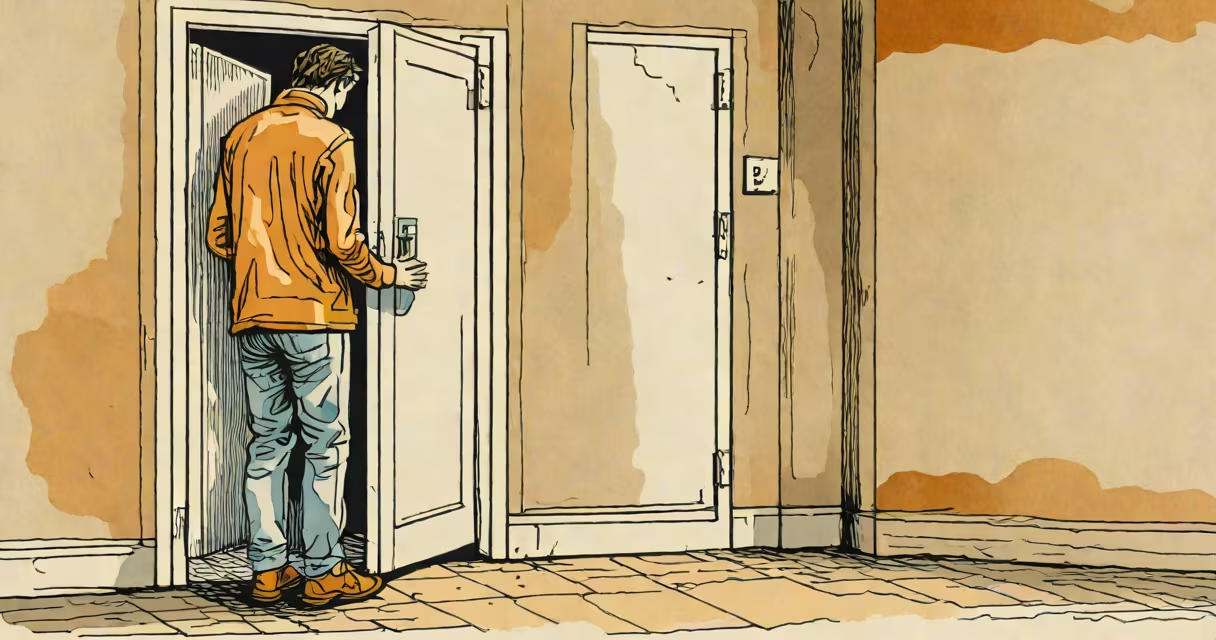
Shy bladder, clinically known as paruresis, is a condition where anxiety prevents urination in public settings despite a full bladder. It occurs when the brain's stress response overrides normal bladder control, often triggered by the presence of others or perceived scrutiny.
Paruresis is not a psychological weakness or laziness. It is a recognized medical condition involving heightened activation of the sympathetic nervous system. When someone with shy bladder enters a public restroom, their body responds as if under threat-even in safe environments-leading to muscle tension and urinary suppression.
According to the Anxiety and Depression Association of America (ADAA), paruresis affects approximately 5% of adults, or about 1 in 20 people. The condition typically begins in adolescence and persists into adulthood unless addressed. It is more common in men but increasingly diagnosed in women as awareness grows.
How Shy Bladder Works
The process starts with a trigger-usually entering a public restroom. The sight of a stall, the sound of flushing, or even the thought of someone entering the room can activate the amygdala, the brain's fear center. This sends signals through the autonomic nervous system, causing pelvic floor muscles to tighten and the urethral sphincter to contract involuntarily.
As a result, urine flow stops or never starts, even though the bladder is full. The person may feel urgent pressure but cannot void. This creates a cycle: the inability to urinate increases anxiety, which further blocks urination. The physical sensation of a full bladder combined with mental distress leads to avoidance behaviors such as skipping meals, limiting fluid intake, or avoiding travel.
A 2016 study published in *The Journal of Urology* found that individuals with paruresis show higher cortisol levels during simulated public urination tasks compared to controls. This confirms that the condition involves measurable physiological stress responses, not just imagined fears.
Types and Triggers
Paruresis varies in severity and presentation. Some people can urinate in private bathrooms but not in shared spaces. Others struggle even in single-stall restrooms with closed doors. A few report symptoms only in high-traffic locations like airports or stadiums.
| Type | Trigger | Prevalence |
|---|---|---|
| Generalized | Any public restroom | ~30% |
| Situational | Specific locations (e.g., offices, schools) | ~50% |
| Occasional | High-anxiety scenarios (e.g., concerts, long flights) | ~20% |
Common triggers include hearing voices, seeing a toilet seat left up, or sensing someone nearby. Even the absence of people can trigger anxiety if the individual feels isolated or exposed.
One non-obvious fact: paruresis is not caused by a weak bladder. The bladder itself functions normally. The issue lies in neural signaling between the brain and pelvic muscles. A 2020 review in *Neuroscience & Biobehavioral Reviews* confirmed that paruresis shares neurological pathways with other anxiety-related disorders, including panic disorder and obsessive-compulsive tendencies.
Common Misconceptions
Many assume shy bladder is simply "not wanting to pee in public." That misunderstanding leads to stigma. People with paruresis are not faking it. They cannot control the physical response, much like someone with a phobia of heights cannot choose to walk off a cliff.
Another misconception is that it only affects introverts. While social anxiety often coexists, paruresis can occur in extroverted individuals. A 2018 survey by the Paruresis Support Network found that 40% of respondents described themselves as outgoing or socially confident in daily life.
Some confuse shy bladder with urinary retention due to physical causes like prostate enlargement or nerve damage. But in paruresis, the bladder empties normally when the person is alone. The problem is situational, not anatomical.
Real-Life Impact and Management
I once observed a man at a train station stand in front of a restroom for nearly 15 minutes, visibly sweating, unable to enter. He eventually left the station and walked five blocks to a café with a private bathroom. He later told me he'd done this dozens of times. His story reflects the daily toll of unmanaged paruresis.
Management strategies focus on exposure therapy and cognitive behavioral techniques. Gradual desensitization-starting with using a bathroom with the door open, then progressing to stalls with windows-can reduce fear over time. Apps like "Bladder Buddy" offer guided exercises and community support.
For severe cases, medications such as low-dose beta-blockers or SSRIs may be prescribed under a urologist's care. However, research shows that behavioral therapy is more effective long-term. A 2021 clinical trial in *Behaviour Research and Therapy* reported that 78% of participants achieved functional urination in public after 12 weeks of structured cognitive-behavioral treatment.
Conclusion
What causes shy bladder is a complex interplay of anxiety, neural reflexes, and environmental triggers. It is not a choice or a character flaw. Understanding this condition as a legitimate medical issue reduces shame and opens the door to effective treatment. With proper support, most people can regain confidence and function in public restrooms.