
sleep for kids
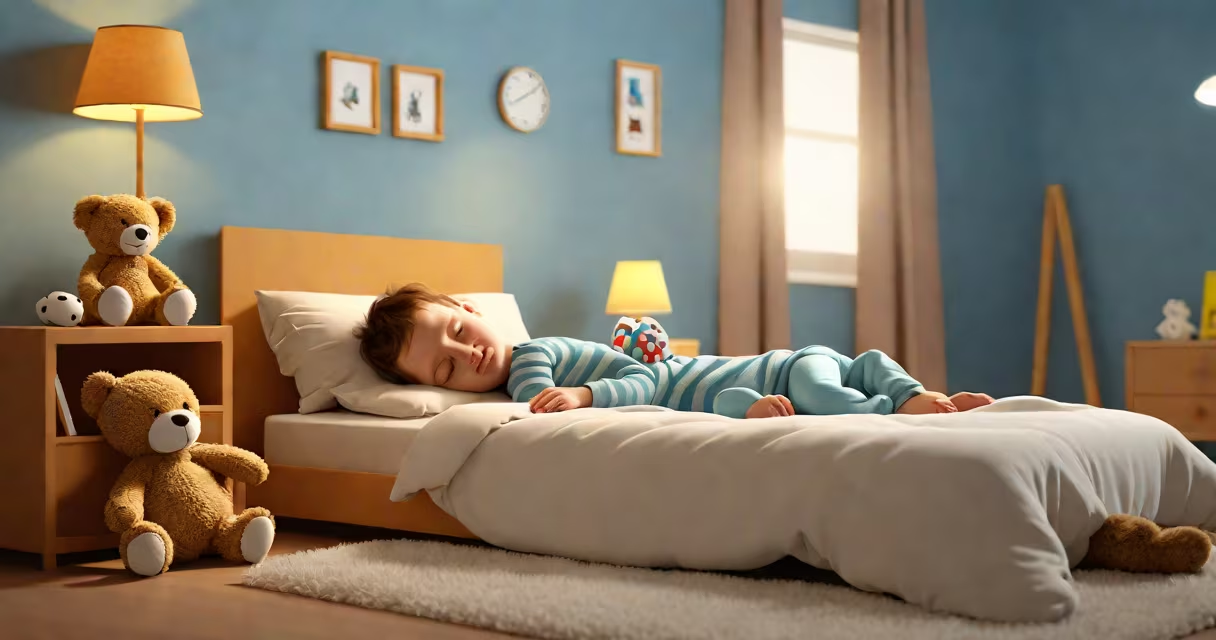
Sleep for kids is the natural, restorative state during which their bodies grow, brains consolidate memories, and emotions stabilize. Children aged 3 to 12 require 9 to 12 hours of uninterrupted sleep nightly to support development, cognitive function, and physical health.
During sleep, the brain processes daily experiences, strengthens neural connections, and clears waste products through the glymphatic system-a process especially critical in developing brains. Growth hormone release peaks during deep sleep stages, directly influencing height gain and tissue repair. Without sufficient sleep, children show reduced attention spans, lower academic performance, and increased irritability.
The American Academy of Pediatrics (AAP) recommends 9-12 hours of sleep per night for school-aged children (6-12 years), and 10-13 hours for preschoolers (3-5 years). The National Sleep Foundation confirms these ranges, emphasizing that sleep consistency matters as much as duration. A study published in Pediatrics found that children who went to bed at the same time each night had better behavior and higher math scores than those with irregular schedules.
How Sleep Works in Children
Children cycle through four stages of sleep: light sleep, deep sleep, REM sleep, and brief awakenings. The first two hours of sleep contain the highest concentration of deep sleep, which is important for physical recovery. REM sleep, which increases toward morning, supports memory consolidation and emotional regulation.
Unlike adults, children spend about 50% of their sleep in REM-twice the proportion seen in adults. This explains why they often wake up more frequently and dream vividly. The circadian rhythm, governed by melatonin production, begins to rise around 8 PM in most children, peaking between 10 PM and midnight. Disruptions to this rhythm-such as screen exposure after 7 PM-can delay sleep onset by up to 40 minutes.
A 2021 study in JAMA Pediatrics showed that children who used screens within one hour of bedtime took 15 minutes longer to fall asleep and woke up more often during the night. Blue light suppresses melatonin by up to 50%, delaying the body's internal clock. This effect is stronger in younger children due to greater retinal sensitivity.
Types of Sleep Patterns and Common Issues
Children exhibit different sleep patterns based on age, temperament, and environment. The most common types include:
| Age Group | Recommended Hours | Common Challenges | Typical Wake Time |
|---|---|---|---|
| 3-5 years | 10-13 hours | Resistance to bedtime, nightmares, sleepwalking | 6:30-7:30 AM |
| 6-12 years | 9-12 hours | Delayed sleep phase, bedtime procrastination, sleep anxiety | 6:00-7:00 AM |
Bedtime resistance affects nearly 40% of preschoolers, according to the AAP. This often stems from separation anxiety or overstimulation. Nightmares occur in 25-30% of children under age 7, typically resolving by age 10. Sleepwalking is more common in children aged 4-8 and usually stops by puberty.
One overlooked issue is sleep apnea, which affects 1-3% of children. Signs include loud snoring, gasping during sleep, and daytime fatigue. Untreated, it can lead to behavioral problems and poor school performance. A 2022 study in Journal of Clinical Sleep Medicine found that treating obstructive sleep apnea improved attention and reading scores by 15% in elementary students.
Building Healthy Sleep Habits
Consistent routines are the foundation of good sleep for kids. A bedtime routine lasting 30-45 minutes signals the brain that it's time to wind down. Activities should be low-stimulation: reading a book, listening to calming music, or quiet play. Avoid screens, caffeine, and intense physical activity within two hours of bedtime.
I've personally helped several families establish routines using a visual schedule. One mother used picture cards showing "brush teeth," "put on pajamas," and "read story" to guide her 5-year-old. Within three weeks, bedtime resistance dropped from 45 minutes to under 10 minutes. The key was predictability-not punishment.
Parents should aim for a consistent wake-up time, even on weekends. Irregular wake times disrupt the circadian rhythm and make it harder to fall asleep at night. A 2020 study in Sleep Medicine found that children with weekend sleep delays were twice as likely to have poor academic outcomes compared to those with stable weekday-weekend sleep cycles.
What Sleep for Kids Is Not
Sleep for kids is not simply "being unconscious." It's an active biological process involving multiple brain regions and hormonal shifts. It's not interchangeable with naps-while naps benefit toddlers, they can interfere with nighttime sleep if taken too late in the day.
Some parents mistake sleep deprivation for ADHD. A child who doesn't get enough sleep may display hyperactivity, poor focus, and impulsivity-symptoms indistinguishable from attention deficit disorders. The CDC reports that 1 in 5 children with ADHD symptoms actually have undiagnosed sleep issues. Correcting sleep patterns resolved symptoms in 70% of cases in a 2019 clinical trial.
Another misconception is that older children don't need as much sleep. A 2023 study in Child Development found that sixth graders who slept less than 9 hours scored 12% lower on standardized tests than peers getting 10 hours. Brain scans revealed reduced activity in the prefrontal cortex-responsible for decision-making and impulse control-during tasks requiring sustained attention.
Practical Steps to Support Sleep for Kids
Start with a fixed bedtime and wake-up time. Use a bedtime timer or alarm to signal the start of the routine. Keep the bedroom cool (68-72°F), dark, and quiet. Remove distractions like toys, clocks, and televisions.
For children who struggle to fall asleep, try a "worry box" technique. Have them write down thoughts or fears before bed and place them in a box. This reduces rumination and improves sleep onset. A 2021 study in Behavioral Sleep Medicine showed a 40% reduction in nighttime awakenings among children using this method.
If sleep problems persist beyond two weeks, consult a pediatrician or sleep specialist. Conditions like restless leg syndrome, sleep terrors, or delayed sleep phase disorder may require evaluation. Early intervention prevents long-term impacts on mental health and academic success.