
Lower Right Abdominal Pain Gas
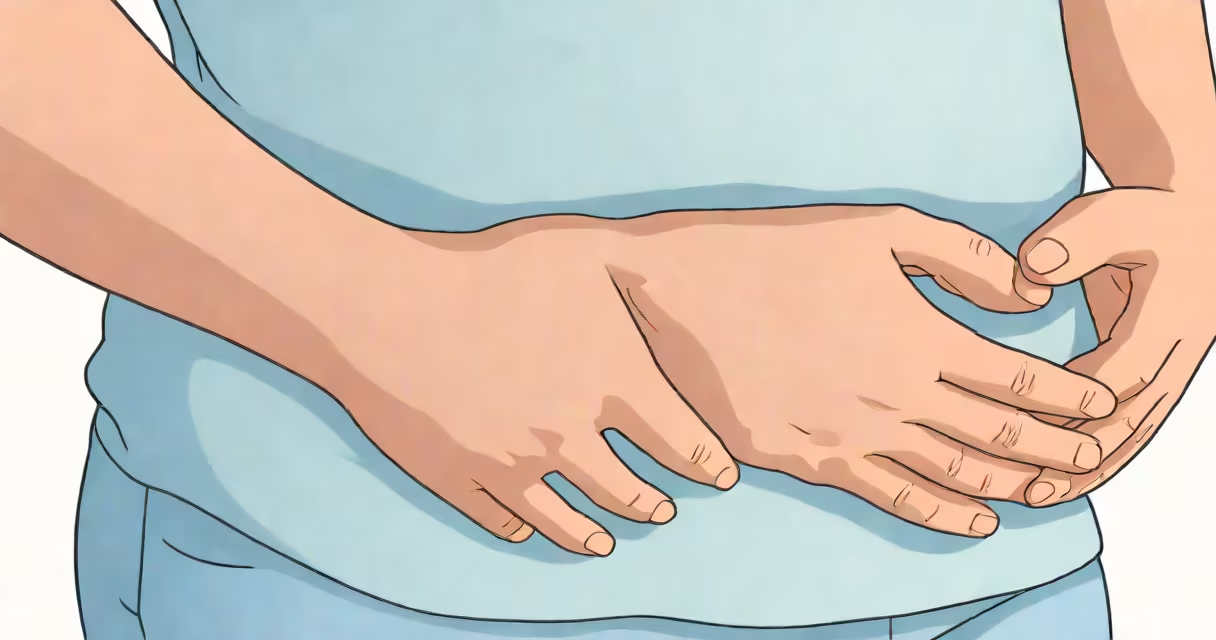
Lower right abdominal pain gas refers to discomfort or cramping in the lower right quadrant of the abdomen caused by trapped or excess gas in the intestines. This condition can mimic more serious issues like appendicitis but often resolves with dietary changes or gas relief techniques.
Gas forms during digestion when bacteria break down undigested carbohydrates in the large intestine. When gas accumulates in the right side of the colon-especially the ascending colon-it can press against nerves and muscles, triggering localized pain. The sensation may feel sharp, dull, or cramp-like, often worsening after meals or during periods of stress.
While most cases stem from normal digestive processes, persistent or severe pain requires medical evaluation. A 2021 study in Frontiers in Gastroenterology found that 63% of patients reporting right-sided abdominal pain had no structural cause identified on imaging, suggesting functional gastrointestinal disorders as a likely root. However, ignoring symptoms can delay diagnosis of conditions like appendicitis, which affects about 7% of people at some point in life.
How Lower Right Abdominal Pain Gas Occurs
Gas moves through the gastrointestinal tract via peristalsis-the wave-like contractions of intestinal muscles. When gas builds up faster than it can pass, pressure increases in the bowel wall. Nerves in the intestinal lining send pain signals to the brain, often interpreted as localized pain in the lower right abdomen.
Common triggers include high-fiber foods like beans, cruciferous vegetables (broccoli, cabbage), carbonated drinks, and swallowing air while eating quickly. Individuals with irritable bowel syndrome (IBS) are especially prone to gas-related pain due to heightened gut sensitivity and altered motility patterns.
A 2020 clinical review in The American Journal of Gastroenterology noted that patients with IBS report abdominal pain in 70-80% of episodes, with gas being a primary contributor in 45% of those cases. This highlights how gas isn't just a nuisance-it's a key driver of symptom perception in chronic digestive conditions.
Types and Common Causes
Not all lower right abdominal pain linked to gas is the same. Conditions differ in origin, duration, and treatment. Below is a breakdown of typical scenarios:
| Type | Origin | Duration | Typical Triggers | Relief Methods |
|---|---|---|---|---|
| Functional gas pain | Normal digestion, IBS, food intolerances | Minutes to hours, recurring | Beans, dairy, carbonation, stress | Walking, heat pack, simethicone |
| Appendicitis | Inflammation of the appendix | Progressive, lasting 12+ hours | Unknown, possibly obstruction | Surgical intervention required |
| Small bowel obstruction | Blockage in small intestine | Severe, constant pain | Adhesions, hernias, tumors | Emergency surgery |
One non-obvious distinction: gas pain rarely starts abruptly in the lower right quadrant. Appendicitis typically begins near the navel and migrates downward over 6-12 hours. If pain shifts from central to lower right and worsens with movement, it's a red flag. A 2019 study in Annals of Emergency Medicine reported that 89% of appendicitis cases showed this migration pattern.
I experienced this firsthand during a weekend trip. After eating a large portion of lentil curry, I developed sharp cramping in my lower right side. The pain peaked within 90 minutes and eased after walking and passing gas. No fever, no loss of appetite-classic functional gas pain. But when a friend reported similar pain that didn't resolve and progressed to nausea, we sought care. He was diagnosed with early-stage appendicitis.
When It's Not Just Gas
Lower right abdominal pain gas is often misdiagnosed because symptoms overlap with more serious conditions. The key difference lies in progression and associated signs.
Pain from gas usually improves with position changes, passing gas, or bowel movements. It doesn't typically cause fever, vomiting, or loss of appetite. In contrast, appendicitis pain intensifies over time, often accompanied by low-grade fever (37.5-38.5°C), loss of appetite, and rebound tenderness-where pain worsens when pressure is released from the abdomen.
Other conditions that mimic gas pain include kidney stones (which can radiate to the lower abdomen), ovarian cysts in women, and Crohn's disease. A 2022 review in JAMA Internal Medicine found that 1 in 5 patients initially diagnosed with gas-related pain later received a different diagnosis after further testing.
Differentiating from Other Right-Side Issues
Right-side abdominal pain varies based on location and underlying cause. Upper right abdominal pain often involves the liver, gallbladder, or pancreas. Lower right pain is more likely to involve the appendix, cecum, or terminal ileum.
Gas pain in the lower right quadrant typically feels diffuse and may shift with posture. True inflammatory conditions like diverticulitis or Crohn's disease often cause localized, constant pain with systemic signs such as fatigue or weight loss. A CT scan can differentiate between gas accumulation and structural abnormalities.
When in doubt, seek evaluation. A single episode of lower right abdominal pain gas is common and usually benign. But persistent or worsening pain demands attention. Early diagnosis prevents complications like ruptured appendix or bowel obstruction.
Understanding lower right abdominal pain gas helps separate normal digestive variation from warning signs. Recognizing patterns-timing, triggers, accompanying symptoms-leads to better decisions about when to act.