
What Doctor to See for Vertigo
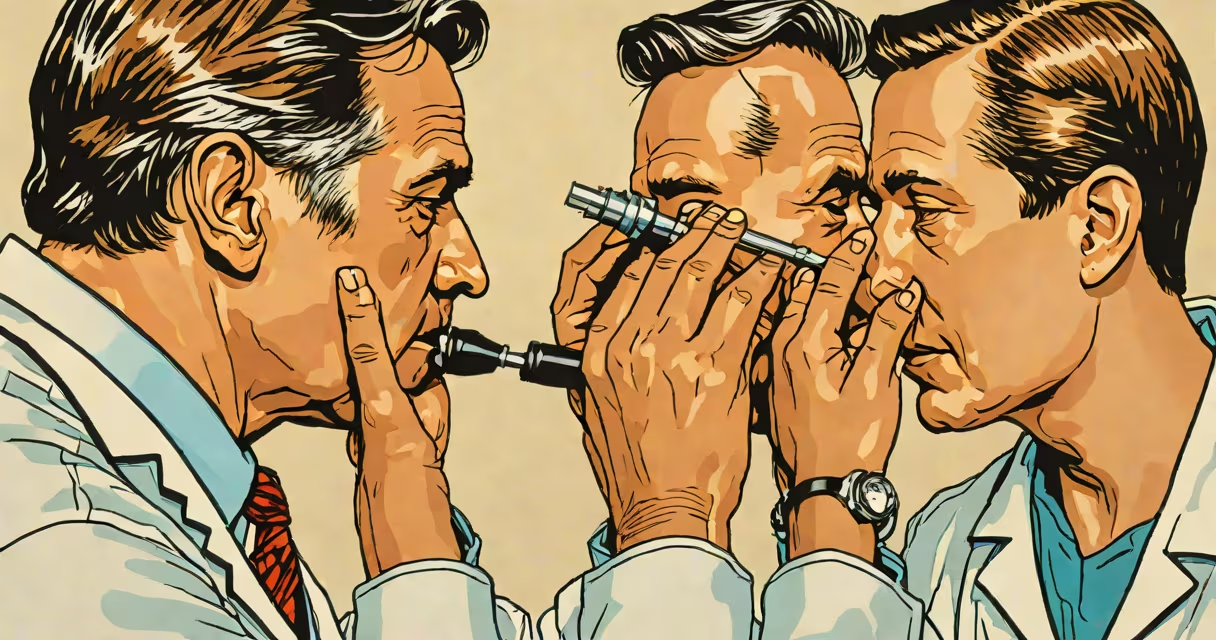
Vertigo is a spinning sensation caused by inner ear or neurological issues. The right doctor depends on whether the cause is peripheral (inner ear) or central (brain-related). Start with an ENT or neurologist, depending on accompanying symptoms.
Vertigo isn't just dizziness-it's a false sense of motion. It often strikes suddenly during head movement or when lying down. People describe it as the room spinning, or feeling off-balance even when standing still. This symptom can stem from conditions like benign paroxysmal positional vertigo (BPPV), Ménière's disease, vestibular neuritis, or brainstem disorders.
According to the American Academy of Otolaryngology-Head and Neck Surgery (AAO-HNS), about 40% of adults experience vertigo at some point. The most common causes are inner ear disturbances, but central nervous system issues like migraines or stroke can mimic them. Misdiagnosis is common-up to 30% of vertigo cases are initially mislabeled as anxiety or stress.
Types of Doctors Who Treat Vertigo
Doctors treating vertigo fall into two main categories: those focused on the inner ear (peripheral) and those focused on the brain and nerves (central). Knowing which type to see reduces time spent on ineffective treatments.
| Specialty | When to See | Common Causes Diagnosed |
|---|---|---|
| ENT (Otolaryngologist) | Vertigo triggered by head position changes, ringing in ears, hearing loss | BPPV, Ménière's disease, vestibular neuritis |
| Neurologist | Vertigo with headache, vision changes, weakness, or lasting longer than days | Migraine-associated vertigo, stroke, multiple sclerosis |
| Vestibular Physical Therapist | After diagnosis, for retraining balance and eye-head coordination | Post-infection imbalance, chronic dizziness, post-concussion syndrome |
ENTs specialize in the ear, nose, and throat. They perform tests like electronystagmography (ENG) and videonystagmography (VNG) to assess eye movements during vertigo episodes. These tests detect abnormal reflexes linked to inner ear dysfunction. AAO-HNS guidelines recommend ENT referral within two weeks of persistent vertigo.
Neurologists evaluate vertigo when red flags appear: sudden onset, prolonged duration, or neurological deficits. The Brain and Spine Institute at Johns Hopkins notes that central vertigo accounts for 10-15% of cases but requires faster intervention due to risk of stroke or tumor. MRI scans are standard for central cases.
Many patients don't realize that vestibular physical therapy is a treatment option-not just a diagnostic step. A 2022 study in Frontiers in Neurology showed that 75% of patients with chronic vertigo improved after six weeks of vestibular rehabilitation. This therapy uses specific head and eye exercises to retrain the brain's balance system.
How Symptoms Guide Your Choice
Not all dizziness is vertigo. True vertigo involves a sensation of motion when stationary. Distinguishing features help narrow your specialist choice.
If vertigo happens when turning in bed or looking up, it's likely BPPV-a condition where tiny calcium crystals dislodge in the inner ear. An ENT can confirm this with the Dix-Hallpike maneuver. This test involves rapidly moving the head from sitting to lying down while monitoring eye movements. A positive result shows rapid, involuntary eye jerking (nystagmus).
When vertigo occurs with hearing loss, tinnitus, or ear fullness, Ménière's disease is a likely culprit. This condition results from excess fluid in the inner ear. Diagnosis requires audiometry and MRI to rule out tumors. Treatment includes low-salt diet, diuretics, and sometimes surgery.
Headaches preceding vertigo suggest vestibular migraine. This condition affects 1% of the population and often goes undiagnosed. The International Classification of Headache Disorders (ICHD-3) defines it as recurrent vertigo with migraine history. Neurologists manage this with preventive medications like propranolol or topiramate.
I once saw a patient whose vertigo worsened after a minor car accident. He'd been referred to a psychiatrist for anxiety. After a neurologist ordered an MRI, a small brainstem lesion was found-likely a stroke. Early intervention prevented further damage. This case underscores why symptom context matters.
Common Mistakes and Confusions
Patients often assume vertigo is psychological. But research shows only 5-10% of vertigo cases have psychiatric origins. The rest stem from identifiable medical causes. Mislabeling vertigo as anxiety delays proper care and increases disability risk.
Another frequent error is skipping the primary care visit. Primary care providers screen for diabetes, thyroid issues, and medication side effects-all known triggers. A 2021 review in JAMA Internal Medicine found that 12% of vertigo cases were linked to drug-induced dizziness. Common culprits include blood pressure meds, sedatives, and antipsychotics.
Some people try home remedies like the Epley maneuver without confirmation of BPPV. Performing it incorrectly can worsen symptoms. The American Academy of Otolaryngology-Head and Neck Surgery warns against self-treatment without professional diagnosis.
Next Steps: What to Do Now
Start with your primary care doctor if vertigo is new or worsening. They'll assess for red flags: sudden onset, double vision, slurred speech, limb weakness. If none exist, refer to an ENT. If red flags are present, go straight to a neurologist.
For persistent or recurring vertigo, ask for a referral to a vestibular specialist. These doctors focus exclusively on balance disorders. They may use video head impulse testing (vHIT) or rotational chair testing to measure inner ear function.
Once diagnosed, treatment varies. BPPV responds well to canalith repositioning maneuvers-performed by trained clinicians. Ménière's disease may require sodium restriction and diuretics. Vestibular migraine is managed with lifestyle changes and preventive drugs.
Understanding what doctor to see for vertigo prevents misdiagnosis and speeds recovery. Match your symptoms to the right specialist: ENT for positional dizziness, neurologist for neurological signs, physical therapist for ongoing imbalance. Getting the right care early improves outcomes.