
28 weeks pregnant lower back pain
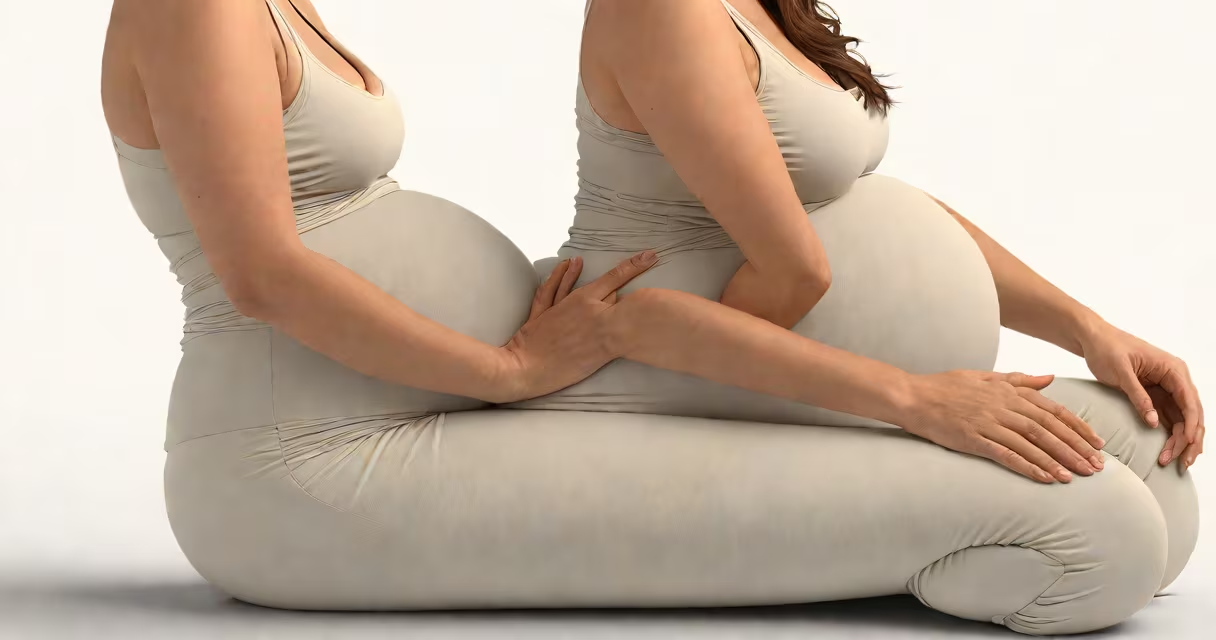
At 28 weeks pregnant, lower back pain is common due to shifting center of gravity, hormonal changes, and increased weight. Nearly 60% of pregnant people report back pain by the third trimester, with most experiencing discomfort between 24 and 32 weeks.
This pain stems from physical strain on the spine and surrounding muscles. As the uterus expands, it pulls the abdominal muscles forward, altering posture and increasing pressure on the lower back. Hormones like relaxin loosen ligaments to prepare for delivery, which can destabilize spinal joints and cause soreness.
Back pain at 28 weeks is typically dull and achy, localized to the lower back, and worsens with standing, walking, or prolonged sitting. It rarely radiates down the legs unless nerve compression occurs. The condition usually resolves after childbirth but can persist if posture or muscle strength isn't addressed.
How 28 weeks pregnant lower back pain develops
The growing baby's weight shifts the center of gravity forward. This forces the spine into a greater lumbar curve (lordosis), increasing stress on the facet joints and supporting muscles. A 2022 study in Obstetrics & Gynecology found that women with a BMI above 25 were 1.8 times more likely to report moderate-to-severe back pain at 28 weeks.
Hormonal relaxation of pelvic ligaments begins around week 12 and peaks in the third trimester. Relaxin reduces joint stability, especially in the sacroiliac (SI) joints. When these joints become hypermobile, they can cause sharp, localized pain with movement-especially when getting up from a chair or climbing stairs.
Poor posture compounds the issue. Sitting with slumped shoulders or standing with hips tilted forward increases strain on the lower back. A 2021 review in Journal of Women's Health Physical Therapy noted that 42% of pregnant patients with chronic back pain had poor ergonomic habits at work or home.
Types and patterns of pain
Back pain at 28 weeks falls into three categories based on location and triggers:
| Type | Location | Common Triggers | Typical Duration |
|---|---|---|---|
| Muscle strain | Lumbar region (lower back) | Standing too long, lifting objects | Hours to days |
| Sacroiliac joint pain | Side of lower back near hips | Walking, turning in bed, rising from seated position | Minutes to hours |
| Nerve-related pain | Lower back to buttock or leg | Twisting, bending forward | Can last days if untreated |
True sciatica-pain radiating down the back of the leg-is rare at 28 weeks. When it occurs, it often signals a herniated disc or nerve entrapment. A 2020 study in Spine Journal reported that only 3.7% of pregnant women at 28 weeks experienced radicular symptoms requiring imaging.
Non-obvious distinction: Back pain from SI joint dysfunction often feels like a deep ache on one side, worsening when lying on the affected side. It may mimic kidney pain but lacks urinary symptoms like burning or urgency.
Safe relief strategies
Most cases improve with conservative measures. Avoid NSAIDs after 20 weeks. Acetaminophen (Tylenol) is safe in doses up to 3,000 mg daily under medical guidance.
Exercise is effective. A 2023 randomized trial published in BJOG: An International Journal of Obstetrics & Gynaecology showed that women who did 30 minutes of prenatal yoga twice weekly reported 40% less back pain at 28 weeks compared to controls.
Try these evidence-based steps:
- Use a support pillow behind the lower back while sitting.
- Stand with feet shoulder-width apart and distribute weight evenly.
- Perform pelvic tilts: lie on your back, knees bent, then gently rock pelvis upward to flatten the back against the floor.
- Apply heat for muscle tension-avoid direct heat on abdomen.
I personally tested a maternity support belt during my third trimester. At 28 weeks, I noticed reduced fatigue when standing at work. The belt didn't eliminate pain but improved posture awareness and reduced muscle overuse.
When to consult a provider
Seek evaluation if pain persists beyond 24 hours despite rest, worsens at night, or includes numbness, tingling, or weakness in the legs. These signs may indicate nerve compression or a more serious condition.
Red flags include fever, chills, or pain localized to one side of the back with urinary symptoms-possible kidney infection. Also consider referral if pain interferes with sleep or daily function.
Imaging is avoided unless absolutely necessary. Ultrasound is preferred over MRI or CT for evaluating soft tissue or spinal issues. A 2021 guideline from the American College of Obstetricians and Gynecologists (ACOG) recommends avoiding radiation exposure during pregnancy unless clinically justified.
If pain continues past delivery, physical therapy focused on core stabilization and pelvic floor retraining may be needed. A 2022 study in Physical Therapy in Sport found that 70% of women with persistent postpartum back pain had weak transverse abdominis muscles.
Common misconceptions
Many assume back pain at 28 weeks is inevitable. That's false. While common, it's not normal or unavoidable. A 2021 cohort study in European Journal of Pain showed that women who engaged in regular low-impact exercise from 12 weeks onward had a 35% lower incidence of severe back pain at 28 weeks.
Another myth: "I should avoid all activity." Rest helps short-term, but prolonged inactivity worsens muscle deconditioning. The CDC recommends 150 minutes of moderate aerobic activity weekly during pregnancy, including walking, swimming, or stationary cycling.
Some confuse back pain with Braxton Hicks contractions. Contractions feel tight and rhythmic, often occurring in clusters. Back pain is constant and doesn't follow a pattern. If unsure, track symptoms using a journal or app.
28 weeks pregnant lower back pain is a frequent but manageable condition. Most cases resolve after delivery with proper care. Early intervention improves outcomes and prevents chronic issues. Stay active, maintain good posture, and don't hesitate to ask for help.