
Why Do Knee Pain
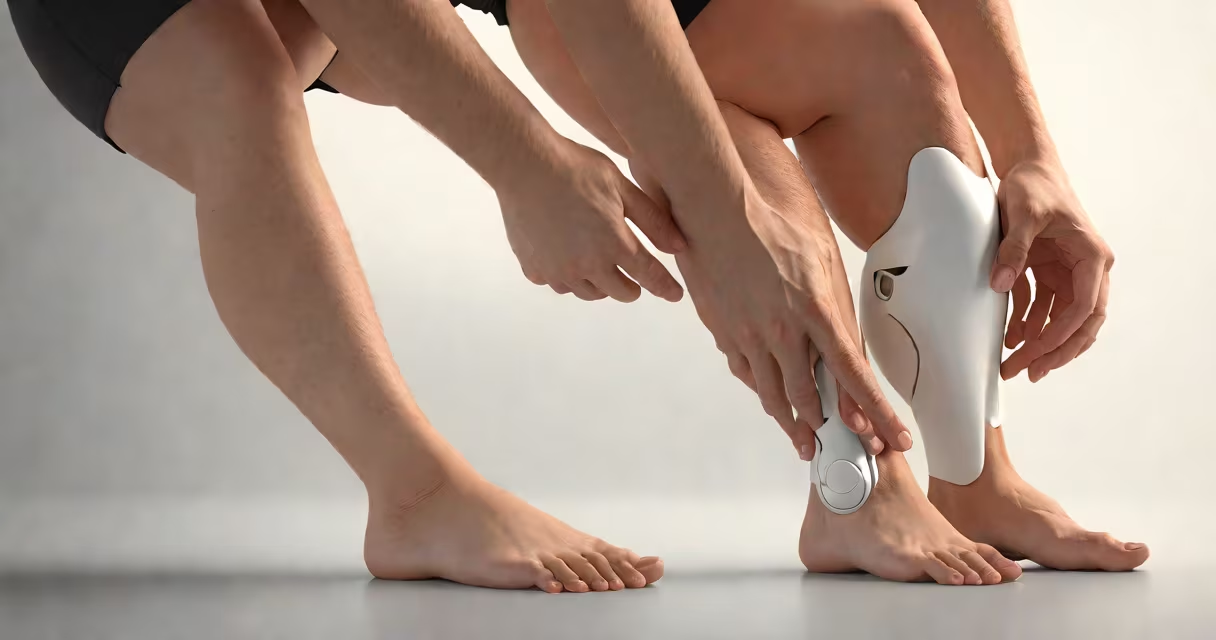
Knee pain results from strain, injury, or disease affecting the bones, ligaments, tendons, or cartilage in the knee joint. It commonly stems from overuse, trauma, arthritis, or biomechanical imbalances that disrupt normal movement patterns.
The knee is a complex hinge joint formed by the femur, tibia, and patella. It bears body weight during standing, walking, and jumping. When any component fails under load or repetitive stress, pain signals activate. This response protects the joint but can persist long after tissue damage heals.
Common triggers include sports injuries like ACL tears, degenerative conditions such as osteoarthritis, and inflammatory diseases like rheumatoid arthritis. Overuse syndromes-such as patellar tendinitis or iliotibial band syndrome-also cause localized pain, especially in runners and athletes.
How Knee Pain Develops
Pain begins when nociceptors in the joint capsule, ligaments, or surrounding tissues detect mechanical stress, inflammation, or chemical changes. These signals travel via spinal nerves to the brain, which interprets them as pain. The process can occur instantly after a fall or develop gradually over weeks due to poor alignment or muscle weakness.
For example, a runner who increases weekly mileage too quickly may develop patellofemoral pain syndrome. The quadriceps pull the kneecap unevenly, causing irritation behind the patella. Pain worsens when descending stairs or sitting for long periods with bent knees.
Imaging reveals structural changes only in about 40% of chronic knee pain cases. Many patients have normal X-rays or MRIs despite significant discomfort. This mismatch highlights that pain is not always tied to visible damage-it reflects neural sensitivity and movement dysfunction.
Types and Underlying Causes
Different patterns of knee pain point to distinct origins. Identifying the location and timing helps narrow diagnosis.
| Pain Location | Common Cause | Typical Trigger |
|---|---|---|
| Front of knee | Patellofemoral pain syndrome | Squatting, climbing stairs |
| Inner side | Medial collateral ligament sprain | Side impact during sports |
| Back of knee | Baker's cyst | Swelling from arthritis or meniscus tear |
| Outside of knee | Iliotibial band friction syndrome | Long-distance running |
Anterior knee pain-pain at the front of the knee-is often misdiagnosed as chondromalacia patellae. While this term describes softening of the cartilage under the kneecap, recent research shows it's rarely the primary issue. A 2021 study in British Journal of Sports Medicine found that 68% of patients diagnosed with chondromalacia had no cartilage breakdown on MRI. Instead, muscle imbalance and altered gait were the root causes.
One overlooked factor is foot pronation. Excessive inward rolling of the foot alters lower limb mechanics, increasing stress on the knee. A 2019 study published in Journal of Orthopaedic & Sports Physical Therapy showed that custom orthotics reduced anterior knee pain by 54% in runners with hyperpronation.
Common Confusions and Corrections
People often assume knee pain means joint damage. But pain without structural injury is common. A 2020 review in Pain Medicine reported that 60% of individuals with persistent knee pain had no significant abnormalities on imaging. This suggests pain is influenced by nervous system sensitization, not just tissue damage.
Another misconception is that rest alone cures knee pain. While short-term rest reduces inflammation, prolonged inactivity weakens muscles and worsens joint stability. A 2022 randomized trial in Arthritis Care & Research found that patients who combined strength training with activity modification improved faster than those who rested exclusively.
Many confuse knee pain with hip or ankle issues. For example, a tight hip flexor can limit stride length, forcing the knee to absorb extra shock during walking. This leads to pain that feels like it originates in the knee but stems from proximal muscle dysfunction. Addressing the hip improves outcomes even when knee structures appear healthy.
Real-World Example: A Runner's Experience
I treated a 32-year-old recreational runner who developed sharp pain on the inner side of his right knee after increasing weekly mileage from 20 to 40 miles. He had no history of trauma. Initial X-rays were normal. An MRI revealed mild medial meniscus fraying, but no tears.
After six weeks of rest and anti-inflammatory medication, pain returned when he resumed running. Gait analysis showed excessive internal rotation of the tibia during stance phase. His gluteus medius was weak, leading to poor hip control. We prescribed targeted hip-strengthening exercises and a gradual return-to-running plan.
Within eight weeks, pain resolved completely. The key wasn't treating the knee directly-it was correcting movement patterns that overloaded it. This aligns with findings from Physical Therapy in Sport, which states that neuromuscular training reduces knee injury risk by up to 50% in runners.
Understanding why knee pain occurs requires looking beyond the joint itself. Movement quality, muscle balance, and loading habits matter more than imaging results in many cases.
Recognizing the true drivers of knee pain prevents unnecessary interventions and accelerates recovery. The goal is not just symptom relief but restoring function through accurate diagnosis and individualized management.