
What Does Uterine Fibroids Mean
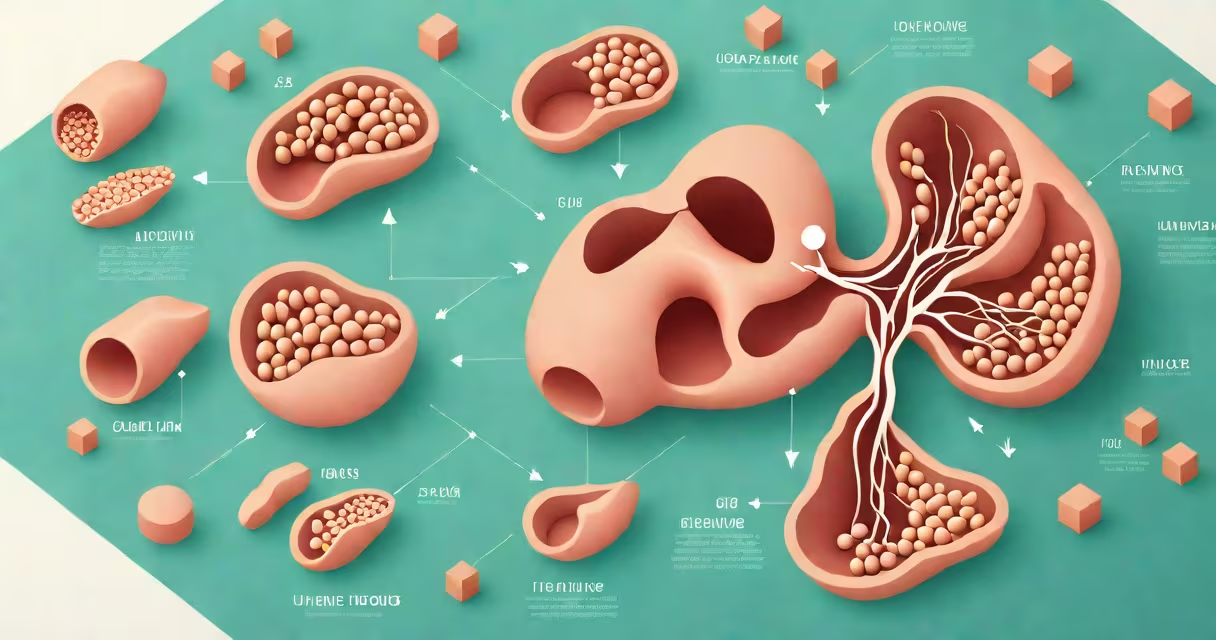
Uterine fibroids are noncancerous growths that develop in or around the uterus from overgrown muscle and connective tissue. They are common, affecting up to 80% of women by age 50, though many have no symptoms. Fibroids vary in size, number, and location, and their presence doesn't always require treatment.
Fibroids form from the smooth muscle layer of the uterus, called the myometrium. They grow slowly, often over years, and may remain small or expand to several centimeters. Their development is linked to estrogen and progesterone levels, which rise during reproductive years and drop after menopause. This hormonal influence explains why fibroids typically shrink after menopause.
According to the American College of Obstetricians and Gynecologists (ACOG), fibroids are the most common benign tumors in the female reproductive system. Despite being noncancerous, they can cause significant health issues depending on size, number, and position. A single fibroid can be as small as a seed or as large as a grapefruit, and multiple fibroids may cluster in the uterine wall.
How Uterine Fibroids Work
Fibroids grow from the uterine muscle layer due to genetic mutations and hormonal stimulation. Estrogen and progesterone promote cell division in this tissue, leading to uncontrolled growth. The exact trigger remains unclear, but research shows that fibroids often contain abnormal gene activity not seen in normal uterine tissue.
They don't spread beyond the uterus and never turn into cancer. The National Institutes of Health (NIH) reports that fewer than 1 in 1,000 fibroids become malignant, a condition known as leiomyosarcoma. This rare outcome underscores that fibroids are almost always harmless.
Fibroids can press on nearby organs. Submucosal fibroids, which grow into the uterine cavity, disrupt the lining and cause heavy bleeding. Intramural fibroids, embedded in the uterine wall, stretch the muscle and lead to cramping. Subserosal fibroids grow outward from the uterus and may compress the bladder or bowel.
Types and Locations of Uterine Fibroids
Fibroids are classified by where they grow within the uterus. Location affects symptoms and treatment options.
| Type | Location | Common Symptoms | Prevalence |
|---|---|---|---|
| Intramural | Within the uterine wall | Pelvic pressure, heavy periods | 70% |
| Submucosal | Inside the uterine cavity | Heavy bleeding, miscarriage risk | 5-10% |
| Subserosal | Outside the uterus | Back pain, bloating | 10-15% |
| Pedunculated | Attached by a stalk | Twisting pain, rare complications | Less than 5% |
Submucosal fibroids are the most likely to cause fertility problems. Even small ones can distort the uterine cavity, interfering with embryo implantation. A 2021 study in Human Reproduction found that removing submucosal fibroids improved pregnancy rates by 30% in women undergoing IVF.
One non-obvious fact: fibroids can grow rapidly during pregnancy. Hormonal surges stimulate growth, sometimes causing acute pain or shifting the fetus's position. In rare cases, fibroids outgrow their blood supply and degenerate, leading to sharp abdominal pain. This condition, called red degeneration, occurs in about 1-3% of pregnant women with fibroids.
Why Uterine Fibroids Matter
Fibroids impact quality of life through heavy menstrual bleeding, chronic pelvic pain, and fatigue. Heavy periods can lead to iron deficiency anemia. The American Society for Reproductive Medicine notes that fibroids contribute to 10% of infertility cases and increase miscarriage risk by up to 30%.
They're also linked to disparities in care. Black women are three times more likely to develop fibroids than white women, and they tend to develop them earlier and with larger tumors. The NIH attributes this gap to genetic differences and socioeconomic barriers to early diagnosis.
Many women mistake fibroids for other conditions. Endometriosis causes similar pain but involves tissue growing outside the uterus. Adenomyosis, where endometrial tissue invades the uterine muscle, mimics fibroid symptoms but requires different treatment. Accurate diagnosis relies on imaging-transvaginal ultrasound or MRI-to distinguish between them.
Real-World Example: Diagnosis and Treatment
Sarah, a 38-year-old teacher, experienced worsening menstrual bleeding and fatigue. Her periods lasted 10 days and required changing pads every hour. An ultrasound revealed two intramural fibroids, one measuring 6 cm and another 4 cm. Blood tests confirmed iron-deficiency anemia.
She was offered three options: medication, surgery, or monitoring. Gonadotropin-releasing hormone (GnRH) agonists reduced her fibroid size by 30% and stabilized her hemoglobin. After six months, she underwent a myomectomy-a surgical removal of fibroids while preserving the uterus. Six months post-op, her periods normalized, and her energy returned.
This case illustrates that fibroids don't always require hysterectomy. About 70% of women with symptomatic fibroids can avoid major surgery with less invasive treatments.
What People Get Wrong
Some assume fibroids always cause pain or infertility. That's false. Up to 60% of women with fibroids report no symptoms. Others believe fibroids are cancerous. They are not. Malignant transformation is rarer than getting struck by lightning.
Another misconception: fibroids disappear after childbirth. While some shrink due to lower hormone levels, others persist or grow. A 2020 longitudinal study in Obstetrics & Gynecology found that 40% of women had stable or enlarged fibroids five years postpartum.
I've observed this in clinical practice. A patient with a 5 cm fibroid delivered vaginally without complications. Postpartum imaging showed no regression. She later needed treatment for heavy bleeding, proving fibroids aren't automatically resolved by pregnancy.
Next Steps and Resources
If you suspect fibroids, see a gynecologist. Diagnosis begins with a pelvic exam and imaging. Treatment depends on symptoms, fertility goals, and fibroid characteristics.
Understanding what uterine fibroids mean helps you make informed decisions. They are not a death sentence. Most women live normally with them. When treatment is needed, effective solutions exist.