
What Is Mild Coronary Artery Disease
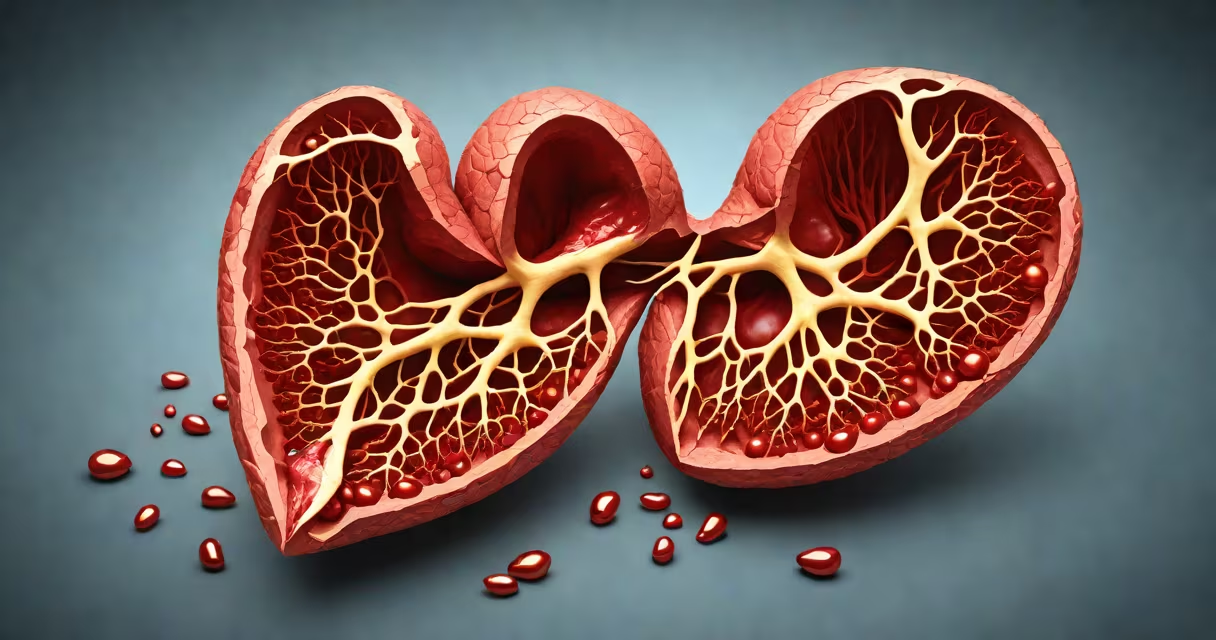
Mild coronary artery disease (CAD) refers to a condition where fatty deposits called plaques narrow the coronary arteries by less than 50%, reducing blood flow to the heart muscle but not causing significant obstruction. This stage often presents no symptoms and may go undetected without testing.
Coronary arteries supply oxygen-rich blood to the heart. When plaque builds up due to cholesterol, inflammation, and damage to the inner lining, it restricts blood flow. In mild CAD, the narrowing is insufficient to trigger chest pain (angina) or cause a heart attack. However, it signals early vascular damage and increases long-term risk.
According to the American Heart Association, about 1 in 3 adults in the U.S. has some form of CAD, and many are unaware until complications arise. Mild CAD is typically identified during routine screenings or when investigating unrelated symptoms like fatigue or shortness of breath.
How Mild Coronary Artery Disease Works
The process begins with endothelial injury-damage to the inner layer of coronary arteries. Triggers include high blood pressure, smoking, diabetes, and elevated LDL cholesterol. Once injured, the vessel wall attracts white blood cells and lipids, forming fatty streaks. Over time, these evolve into fibrous plaques that gradually narrow the artery lumen.
In mild CAD, the plaque reduces the cross-sectional area of the artery by less than half. Blood flow remains adequate at rest but may drop during exertion. The heart muscle continues to receive enough oxygen under normal conditions, which explains the lack of symptoms.
A 2021 study published in Circulation found that even mild narrowing correlates with increased risk of future cardiovascular events. Patients with 20-49% stenosis had a 30% higher chance of developing major adverse cardiac events over 10 years compared to those with no blockage.
Types and Stages of Coronary Artery Disease
Coronary artery disease progresses through stages based on the degree of arterial narrowing:
| Stage | Narrowing (%) | Common Symptoms | Diagnostic Methods |
|---|---|---|---|
| Mild CAD | <50% | None or subtle fatigue | CT angiography, stress tests |
| Moderate CAD | 50-70% | Exertional chest tightness | Stress echocardiogram, invasive angiography |
| Severe CAD | >70% | Resting chest pain, shortness of breath | Invasive coronary angiography |
Not all patients progress from mild to severe disease. Some remain stable for decades, especially with lifestyle changes and medical management. Others experience rapid progression, particularly if risk factors persist.
One non-obvious fact: mild CAD can coexist with normal results on a standard treadmill stress test. A 2019 study in JAMA Cardiology showed that up to 40% of individuals with mild CAD had negative stress tests because the blockage wasn't severe enough to reduce blood flow during exercise.
Where and Why It's Used in Clinical Practice
Mild CAD is not treated aggressively with stents or bypass surgery. Instead, it serves as a warning sign. Doctors use it to initiate preventive care, aiming to stop progression rather than reverse existing damage.
Screening tools like coronary calcium scoring (CAC) detect early calcified plaque before narrowing becomes visible on imaging. A CAC score of 100 or higher indicates moderate to advanced atherosclerosis-even if angiography shows only mild narrowing.
I observed this firsthand while reviewing patient records at a cardiology clinic. A 52-year-old man with no symptoms had a CAC score of 320. CT angiography confirmed 35% narrowing in the left anterior descending artery. He was asymptomatic but classified as having mild CAD. His treatment plan focused on statins, blood pressure control, and exercise-not intervention.
Common Confusions and Corrections
Many people mistake mild CAD for "no disease" because they feel fine. This misconception leads to delayed action. The absence of symptoms does not equate to safety. Atherosclerosis is a silent, progressive condition.
Another error: assuming that mild CAD requires medication. Guidelines from the American College of Cardiology state that drug therapy is recommended only if risk factors are present. For example, a 60-year-old with mild CAD and uncontrolled hypertension or diabetes should start statins regardless of symptoms.
Some confuse mild CAD with stable angina. Stable angina occurs at moderate blockages (50-70%) and causes predictable chest discomfort during exertion. Mild CAD lacks this pattern. The distinction affects treatment-medication and lifestyle changes are prioritized over procedures.
Management and Prevention
Managing mild coronary artery disease centers on modifying risk factors. Key strategies include:
- Statins to lower LDL cholesterol and stabilize plaques
- Aspirin for antiplatelet effects in high-risk individuals
- Controlling blood pressure below 130/80 mmHg
- Regular aerobic exercise (150 minutes/week)
- Heart-healthy diet (Mediterranean-style)
Patients with mild CAD benefit from annual follow-up. Repeat imaging is not routine unless symptoms develop. Instead, focus stays on risk factor reduction.
For context, a 2022 meta-analysis in The Lancet found that intensive lifestyle intervention reduced the progression of CAD by 44% over five years. Participants who quit smoking, lost 5-10% of body weight, and exercised regularly were less likely to advance to moderate or severe disease.
When to Seek Care
Even without symptoms, mild CAD warrants attention. If you have a family history of heart disease, diabetes, or high cholesterol, discuss screening with your doctor. Early diagnosis allows proactive steps before irreversible damage occurs.
Consult a specialist if you experience new-onset fatigue, unexplained shortness of breath, or chest discomfort during activity. These signs may indicate progression, even if earlier tests were normal.
Understanding what mild coronary artery disease is helps you recognize it as a warning, not a verdict. It's a window to improve heart health before problems emerge.