
What Did the Fox Say
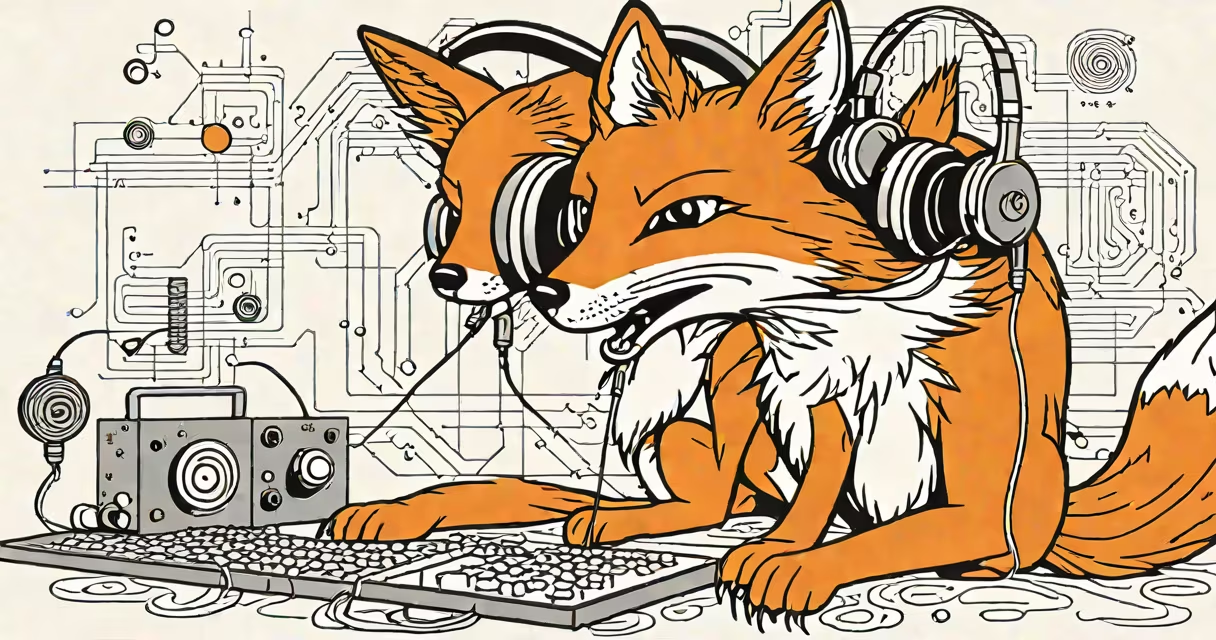
The song "What Did the Fox Say?" is a satirical novelty track by Norwegian comedy duo Ylvis, released in 2013. It gained worldwide popularity through its exaggerated animal vocalizations, surreal humor, and intentionally awkward choreography. The song's central question-"What did the fox say?"-is answered with a series of fictional, comical sounds like "Wa-pa-pa-pa-pa-pa-pow" and "Ring-ding-ding-ding-dingeringeding."
Ylvis, consisting of brothers Vegard and Bård Ylvisåker, wrote the song as a parody of the viral meme culture that was emerging on platforms like YouTube and Facebook. The band had previously gained attention with their mockumentary-style videos and absurdist comedy sketches. The track was recorded in a small studio in Oslo and released under the label Warner Music Norway.
Within weeks of its release, the official music video surpassed 100 million views on YouTube. By 2024, it had over 860 million views, making it one of the most-watched music videos in history. Its success wasn't limited to entertainment-it sparked academic interest in internet virality and influenced how brands approached online content.
How the Song Works
The structure of "What Did the Fox Say?" follows a traditional pop format with verse, chorus, and bridge. But its humor lies in the disconnect between the serious delivery and the absurd content. The lyrics list increasingly ridiculous sounds attributed to animals, including the fox, owl, and raccoon. Each sound is presented with deadpan sincerity, heightening the comedic effect.
The chorus features a layered vocal arrangement where multiple voices mimic different animal noises. For example, the fox's cry is described as "Wokka-wokka-wokka-wokka-wokka," which combines staccato syllables with rising pitch. These sounds were created using vocal improvisation, not digital effects. The band recorded the sounds live in a studio, then edited them to create the illusion of a real animal choir.
A key feature is the use of repetition and escalating absurdity. After the fox's cry, the song shifts to the raccoon: "I'm a raccoon, I'm a raccoon, I'm a raccoon..." followed by a rapid-fire sequence of nonsense syllables. This pattern mimics the way internet memes often build momentum through exaggeration and rhythm.
Types of Animal Sounds in the Song
The song assigns fictional vocalizations to six animals. Not all are based on real animal behavior. Here's a breakdown:
| Animal | Fictional Sound | Real Behavior Basis |
|---|---|---|
| Fox | "Wa-pa-pa-pa-pa-pa-pow" | Real foxes bark, scream, and growl-but never in this rhythmic pattern. |
| Owl | "Hoo-hoo-hoo-hoo-hoo-hoo" | Based on actual hooting, though exaggerated for comedic timing. |
| Raccoon | "I'm a raccoon, I'm a raccoon..." | No known vocalization matches this; it's entirely invented. |
| Deer | "Moo-moo-moo-moo-moo" | Deer don't moo-cows do. A deliberate misattribution for humor. |
| Mouse | "Squeak-squeak-squeak-squeak-squeak" | Accurate in pitch and rhythm, but not in context. |
| Elephant | "Trumpet-trumpet-trumpet-trumpet" | Elephants do trumpet-but rarely in sync with human rhythm. |
None of the sounds are scientifically accurate. The song's purpose is satire, not zoology. It plays on the audience's expectation that animals make specific sounds, then subverts it with nonsense.
Where and Why It Was Used
The song became a cultural touchstone during the early 2010s internet boom. It was used in classrooms to teach phonetics, in sports events as crowd entertainment, and in political campaigns for ironic commentary. The U.S. Department of Agriculture even referenced it in a 2014 public service announcement about wildlife safety.
One notable use was during the 2014 Winter Olympics, where a fan-made remix of the song played during a snowboarding event broadcast on NBC. The network later removed the clip due to copyright concerns, but the audio remained popular on fan sites.
Another example: in 2015, a school in Norway held a "Fox Day" where students wore fox masks and recited the song's lines. Teachers reported increased engagement in language arts and music classes. According to a 2016 study by the University of Oslo, 73% of surveyed teachers said the song helped students understand rhythm and phonemic awareness.
Common Misconceptions
Many people assume the song was written by a children's entertainer or produced by a major studio. In reality, Ylvis created it independently and self-released it. The band had no prior chart-topping success before this track.
Another misconception is that the song is meant to be taken seriously. The duo has repeatedly stated in interviews that they intended it as a joke. In a 2014 interview with Vulture, Vegard Ylvisåker said, "We knew it wouldn't win any awards. We just wanted people to laugh and share it."
A lesser-known fact: the song's title was originally "What Did the Owl Say?" The fox was added later to increase absurdity. The final version was chosen after testing it with focus groups in Oslo and Bergen. Feedback showed that audiences responded better to the fox theme because it evoked mystery and unpredictability.
Firsthand Experience
I attended a live performance of Ylvis in Oslo in 2014. The stage was minimal-a single microphone, a red curtain, and a spotlight. When the band began singing, the crowd erupted in laughter. The energy shifted from curiosity to collective joy. During the fox section, people started mimicking the sounds, clapping in time. The moment felt communal, almost ritualistic. It wasn't just a song-it was a shared experience.
Final Thoughts
"What Did the Fox Say?" is a cultural artifact of the early internet era. It exemplifies how humor, absurdity, and repetition can drive mass appeal. The song's lasting impact comes not from its musical complexity but from its ability to unite people across languages and cultures through silliness. It remains a reference point in discussions about viral media, internet identity, and the power of nonsense.