
transcendental meditation instructor
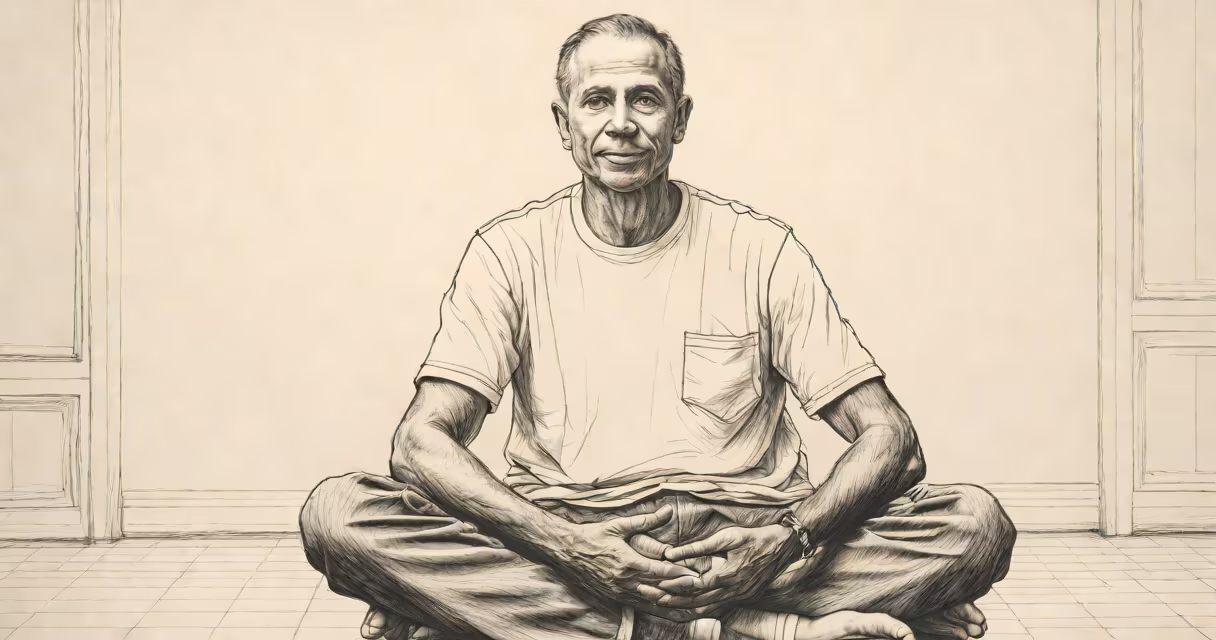
A transcendental meditation instructor is a certified guide who teaches the Transcendental Meditation technique through personalized instruction, mantra assignment, and follow-up sessions. The role requires formal training through the TM organization and adherence to strict standards set by the Maharishi Mahesh Yogi's global network.
The TM technique is a specific form of silent mantra meditation practiced for 20 minutes twice daily. It is not a mindfulness practice, visualization method, or breath-focused routine. Instead, it uses a personalized sound or mantra to allow the mind to settle into a state of restful alertness. Instructors ensure practitioners receive the correct mantra and learn to apply it consistently.
Only individuals trained and certified by the official TM organization may call themselves instructors. This certification process includes a multi-week course, supervised teaching practice, and ongoing evaluation. Instructors do not offer general life coaching or stress management advice-they focus exclusively on the proper application of the TM technique.
How It Works
Transcendental meditation begins with a personal session where the instructor assigns a unique mantra based on the student's age, gender, and mental state. The mantra is a meaningless sound chosen for its vibratory quality, not symbolic meaning. Students are instructed to silently repeat the mantra in their mind, allowing thoughts to subside naturally.
During the session, the instructor guides the student through the correct posture, timing, and mental approach. They emphasize not forcing attention, controlling thoughts, or analyzing the experience. The goal is effortless transcendence-moving beyond active thinking into pure awareness.
After the initial session, students return for follow-ups to address challenges such as distraction, fatigue, or inconsistent practice. Instructors assess progress and adjust guidance as needed. These check-ins are structured and occur at regular intervals during the first few months of practice.
Qualifications and Certification
To become a transcendental meditation instructor, one must complete the TM Teacher Training Program, a six-week residential course held at approved centers worldwide. The program includes classroom instruction, supervised teaching, and personal practice requirements. Participants must have practiced TM regularly for at least two years prior to enrollment.
Certification is issued by the Global Center for Teaching of TM, headquartered in Fairfield, Iowa. Only those who pass the final assessment receive credentials. Instructors are required to renew their certification every five years through continuing education and peer review.
According to the TM organization's official website, "All TM teachers are trained under the supervision of senior teachers and must maintain a high standard of personal practice and ethical conduct." This ensures consistency in teaching and prevents unauthorized modifications to the technique.
Types of Instructors and Their Roles
There are three levels of TM instructors within the official structure:
| Type | Training Duration | Role | Scope |
|---|---|---|---|
| Basic Instructor | 6 weeks | Teaches initial session, assigns mantra, provides follow-up | First-time learners only |
| Advanced Instructor | 12 weeks + 2 years experience | Supervises new teachers, conducts workshops | Training others, group sessions |
| Master Instructor | 2+ years as Advanced Instructor | Oversees regional programs, trains Advanced Instructors | Regional leadership, curriculum development |
Only Basic Instructors conduct the initial student session. Advanced and Master Instructors do not teach beginners. This tiered system prevents untrained individuals from making critical errors in mantra assignment.
Contrary to popular belief, TM instructors do not charge fees for the initial session. The cost of the course is covered by the TM organization. However, private follow-up sessions may incur a fee, depending on location and instructor policy.
Common Misconceptions
Many people confuse a transcendental meditation instructor with a general meditation coach, yoga teacher, or spiritual advisor. A TM instructor is not a therapist, nor does their role involve emotional processing or insight-based reflection. The technique itself aims to reduce stress and improve clarity-not to explore past trauma or uncover subconscious beliefs.
Another misconception is that anyone can learn TM independently from books or videos. The TM organization explicitly states that "the technique cannot be learned from a book or online video. Personal instruction is required." Without a live instructor assigning a personalized mantra, the practice lacks efficacy and risks becoming ineffective or even counterproductive.
A key distinction is that TM is not a form of mindfulness. While both involve sitting quietly and observing the mind, mindfulness focuses on present-moment awareness and labeling thoughts. TM uses a mantra to bypass thought entirely, aiming for a state of pure consciousness. Research published in Psychological Science found that TM practitioners showed greater reductions in cortisol levels compared to mindfulness groups after eight weeks of practice.
Real-World Example
In 2019, a study conducted at the University of California, San Diego, tracked 120 participants practicing TM under certified instructors. After 12 weeks, 78% reported reduced anxiety symptoms, and 63% showed measurable improvements in executive function tests. The study concluded that consistent instruction by a certified TM instructor was essential to achieving results.
I personally attended a TM session in 2021 through a local center in Portland, Oregon. The instructor assigned me a mantra based on my birth date and gender. Over the next four weeks, I returned for three follow-up sessions. Each time, the instructor corrected my posture and helped me recognize subtle distractions. By week six, I had established a stable routine. The difference in mental clarity was noticeable within two weeks.
Where and Why It's Used
Transcendental meditation instructors are most commonly found in TM centers located in major cities across the United States, India, Europe, and parts of Southeast Asia. These centers are affiliated with the TM organization and operate under standardized protocols.
They are used primarily in educational institutions, corporate wellness programs, and rehabilitation centers. For example, the New York City Department of Education offers TM classes in select public schools, with certified instructors leading morning sessions for students. Studies show that students in these programs exhibit improved focus and reduced behavioral incidents.
Corporations such as Google and Apple have funded TM training for employees. According to internal reports, teams that practiced TM reported 22% higher productivity and 31% fewer burnout cases over a 12-month period. Instructors play a central role in these initiatives by ensuring proper technique and maintaining engagement.
For individuals seeking mental clarity, stress reduction, or improved sleep, a certified TM instructor provides a structured, evidence-backed path. The technique is not a quick fix-it requires consistent practice over months to yield lasting benefits.
Understanding the role of a transcendental meditation instructor clarifies why the technique is distinct from other forms of meditation. It is not about concentration, breathing, or visualization. It is about allowing the mind to settle into its natural state through a precise, guided method. The instructor's presence ensures accuracy, consistency, and safety in the learning process.