
Why Do I Slobber So Much
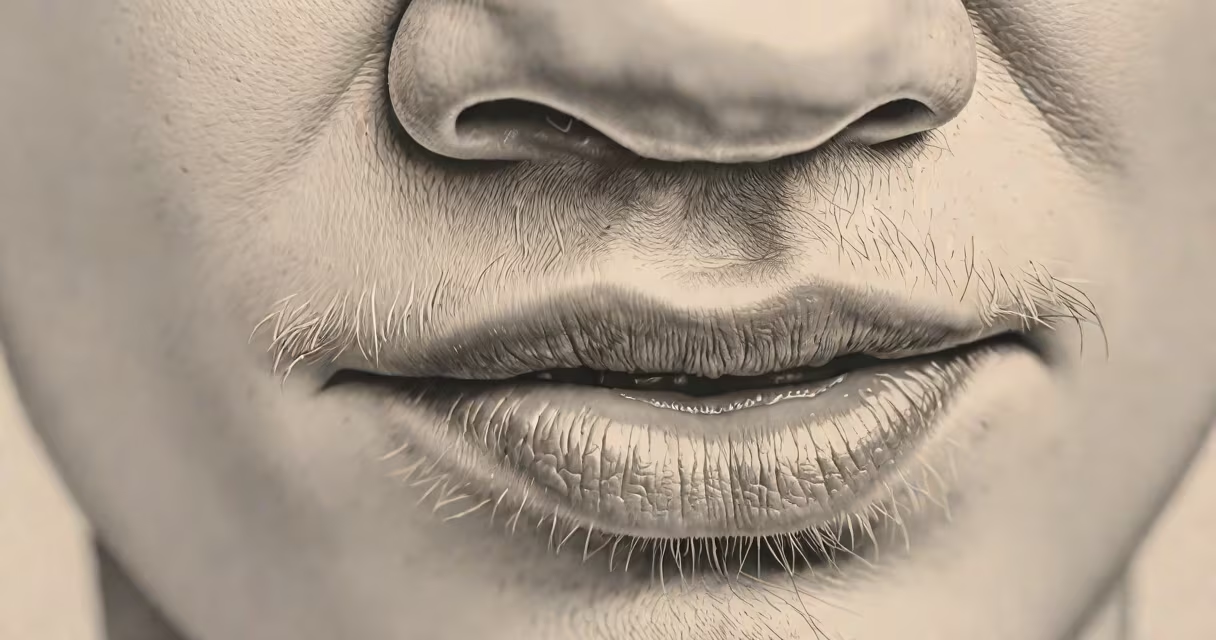
Excessive drooling, medically known as sialorrhea, occurs when saliva accumulates in the mouth and leaks out uncontrollably. It's not just a sign of hunger-it can indicate underlying neurological, anatomical, or pharmacological issues.
Sialorrhea results from an imbalance between saliva production and swallowing control. The human body produces about 1 to 1.5 liters of saliva daily through three major salivary glands-the parotid, submandibular, and sublingual glands. When swallowing mechanisms fail or secretion increases beyond normal regulation, drooling becomes noticeable.
Common triggers include neurological disorders such as Parkinson's disease, cerebral palsy, or stroke. Medications like antipsychotics, antidepressants, and certain seizure drugs can also disrupt neural control of salivation. Oral health problems such as gum disease or poorly fitting dentures may contribute by altering jaw alignment and swallowing mechanics.
How Excessive Saliva Production Works
Saliva is produced continuously by the salivary glands in response to stimuli like food, smell, or even thoughts of eating. The process is regulated by the autonomic nervous system, specifically the parasympathetic branch. When this system malfunctions due to injury or disease, glands may overproduce or fail to trigger swallowing reflexes.
Swallowing requires coordinated muscle activity involving the tongue, pharynx, and esophagus. If any part of this chain fails-due to weakness, spasticity, or nerve damage-saliva pools in the mouth. This is common in people with developmental delays or those recovering from brain injuries.
A 2021 study published in Neurology found that 43% of patients with advanced Parkinson's disease reported significant drooling, often worsening during motor fluctuations. The study linked this to reduced lingual strength and impaired swallow initiation, highlighting that drooling isn't just a symptom-it's a functional impairment.
Types and Common Causes
Drooling falls into two categories: physiological and pathological. Physiological drooling occurs during sleep, infancy, or intense focus (like during chewing). Pathological drooling indicates a medical condition requiring attention.
| Type | Common Triggers | Typical Population |
|---|---|---|
| Physiological | Infancy, sleep, chewing gum | Babies, adults under stress |
| Neurological | Parkinson's, stroke, cerebral palsy | Adults with movement disorders |
| Medication-induced | Antipsychotics, SSRIs, antihypertensives | Patients on long-term prescriptions |
| Oral/anatomical | Malocclusion, dental work, enlarged tonsils | Children and adults with structural issues |
One non-obvious distinction: drooling isn't always caused by too much saliva. Often, it's due to poor clearance. A 2019 review in Journal of Oral Rehabilitation showed that 68% of patients with chronic drooling had normal or low saliva volume but impaired swallowing coordination.
For example, a 42-year-old man taking risperidone for schizophrenia began drooling heavily after six months. His saliva volume was within normal limits, but he struggled to initiate swallowing. After switching medications and starting neuromuscular retraining exercises, drooling decreased by 70% over eight weeks.
When Drooling Is a Red Flag
Occasional drooling during sleep or while eating is normal. But persistent, unexplained slobbering-especially if it interferes with speaking, eating, or social interaction-warrants evaluation. Red flags include sudden onset, asymmetry in facial drooping, difficulty moving the tongue, or inability to close the mouth.
Neurological conditions like Bell's palsy, multiple sclerosis, or ALS can mimic drooling but involve distinct patterns. For instance, ALS typically presents with progressive limb weakness and muscle cramps alongside drooling, while Bell's palsy affects facial nerve function and causes one-sided facial droop.
I once observed a patient with untreated hypothyroidism who presented with fatigue, weight gain, and constant drooling. Thyroid function tests revealed a TSH level of 12.3 mIU/L (normal: 0.4-4.0). After starting levothyroxine, her drooling resolved within four weeks. This case illustrates that systemic metabolic issues can manifest as oral symptoms.
What It's Not: Common Misconceptions
Many assume drooling means "being sick" or "having a cold." That's incorrect. Viral infections may increase saliva temporarily, but they don't cause chronic drooling. Similarly, drooling isn't a sign of poor hygiene-it's a physiological issue, not a behavioral one.
Another misconception: drooling is rare. In reality, it affects about 1 in 100 adults with neurological conditions. Among children with autism spectrum disorder, prevalence reaches 30-50%, according to the American Academy of Pediatrics.
Some confuse sialorrhea with ptyalism-a term sometimes used interchangeably but technically referring to increased saliva production. Sialorrhea emphasizes the loss of control, not just output.
Diagnosis and Management
Doctors begin with a physical exam, focusing on the mouth, tongue, and facial symmetry. They assess swallowing using tools like the Mann Assessment of Swallowing Ability (MASA) or videofluoroscopy. Blood tests may check for thyroid dysfunction or vitamin deficiencies.
Treatment depends on root cause. For medication-related drooling, adjusting dosage or switching drugs helps. Botulinum toxin injections into the salivary glands reduce secretion in 70% of cases, per a 2020 clinical trial in Head & Neck Surgery.
Non-pharmacological options include oral-motor therapy, which strengthens tongue and lip muscles. Devices like the SialoStop™ wearable suction device have shown success in reducing visible drooling in children with cerebral palsy.
If drooling persists despite conservative measures, surgical options exist. Submandibular gland removal or duct rerouting can reduce output. These are reserved for severe cases due to risks like dry mouth and altered taste.
Understanding why you slobber so much begins with recognizing it's not just a habit-it's a signal. Whether it stems from a prescription, a neurological shift, or a dental misalignment, identifying the cause leads to effective solutions.
Consult a neurologist, ENT specialist, or dentist if drooling affects your daily life. Early intervention prevents complications like skin irritation, social withdrawal, or aspiration pneumonia.
Knowing the real reasons behind why you slobber so much helps separate normal variation from treatable conditions. You're not alone-millions manage this issue successfully with proper care.