
pcos hirschutism treatment
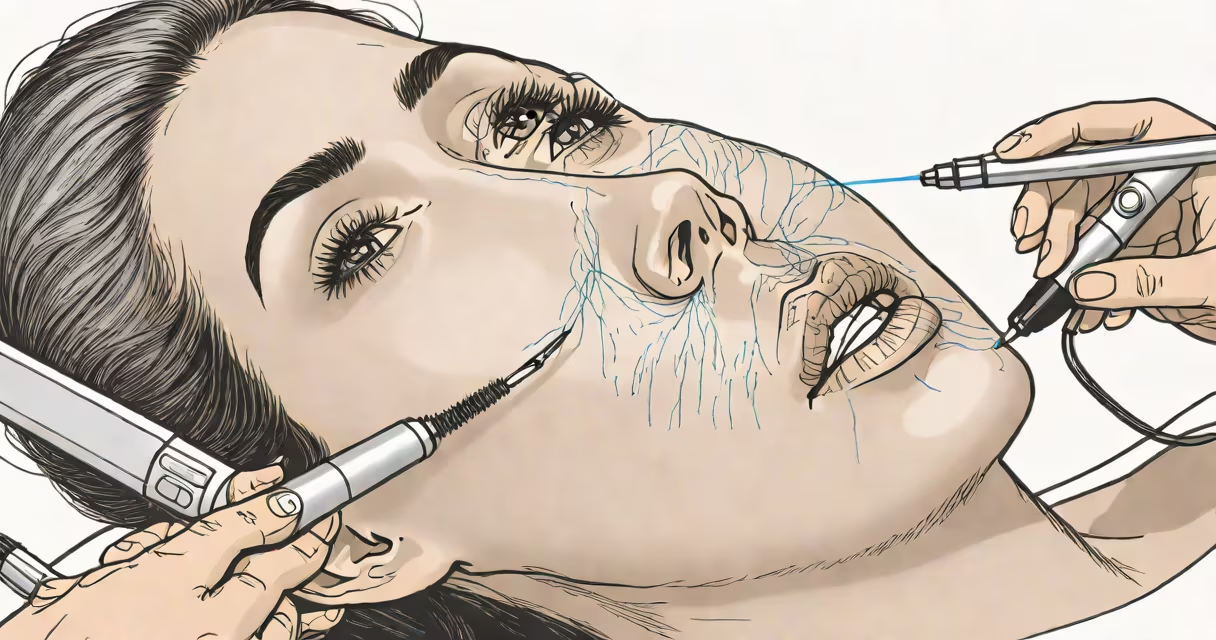
PCOS hirsutism treatment addresses unwanted facial and body hair caused by elevated androgens in women with polycystic ovary syndrome. It combines hormonal regulation, anti-androgen drugs, and cosmetic methods to reduce hair growth and improve quality of life.
Hirsutism affects about 7% of women of reproductive age, with PCOS being the most common underlying cause. When insulin resistance and ovarian androgen overproduction occur together, excess hair growth appears on the face, chest, back, and abdomen. The condition is not just cosmetic-it often causes emotional distress and impacts mental health.
Medical guidelines from the American Society for Reproductive Medicine (ASRM) and the Endocrine Society emphasize treating both symptoms and root causes. Treatment begins with confirming the diagnosis through blood tests for testosterone, DHEA-S, and fasting insulin levels. A pelvic ultrasound may show polycystic ovaries-defined as 12 or more follicles per ovary.
How pcoss hirsutism treatment works
Treatment targets androgen production and sensitivity. The primary goal is to lower free testosterone and block androgen receptors in hair follicles. This slows new hair growth and weakens existing hairs.
Combination therapy is standard. Oral contraceptives suppress ovarian androgen release and increase sex hormone-binding globulin (SHBG), which binds testosterone and reduces its activity. Spironolactone-a potassium-sparing diuretic-blocks androgen receptors in skin and hair follicles. It's effective but requires monitoring for hyperkalemia and pregnancy prevention due to teratogenic risk.
For patients who cannot use oral contraceptives or spironolactone, alternatives exist. Cyproterone acetate (not FDA-approved in the U.S.) is used in Europe and shows high efficacy. Flutamide, another anti-androgen, is rarely prescribed due to liver toxicity risks. Metformin improves insulin sensitivity and lowers androgen levels in overweight women with PCOS-especially those with insulin resistance.
Types of treatments and their effectiveness
Doctors tailor regimens based on patient goals, fertility plans, and comorbidities. Here's how different options compare:
| Treatment Type | Key Mechanism | Effectiveness (Hair Reduction) | Common Side Effects |
|---|---|---|---|
| Combined oral contraceptives | Suppress ovarian androgen production | 40-60% reduction over 6-12 months | Nausea, breakthrough bleeding, mood changes |
| Spironolactone (25-200 mg/day) | Androgen receptor blockade | 50-70% reduction over 6 months | Hyperkalemia, fatigue, menstrual irregularity |
| Metformin (500-2000 mg/day) | Improves insulin sensitivity | 20-40% reduction in androgen levels | Gastrointestinal upset, vitamin B12 deficiency |
| Laser hair removal (diode, alexandrite) | Destroys hair follicles with heat | Up to 75% permanent reduction after 6 sessions | Pain, redness, pigment changes in darker skin |
Combining medical treatment with laser therapy yields the best long-term outcomes. A 2021 study in the Journal of Clinical Endocrinology & Metabolism found that women using spironolactone plus six laser sessions had 80% less facial hair at 18 months compared to medication-only groups.
Topical eflornithine cream (Vaniqa) inhibits ornithine decarboxylase, slowing hair growth at the follicular level. It's applied twice daily and shows modest results-about 25% reduction in hair count-but doesn't eliminate hair. It's often used alongside systemic treatments.
Where and why it's used
PCOS hirsutism treatment is used in outpatient clinics, dermatology offices, and endocrinology practices. It's not a one-size-fits-all solution. Treatment choice depends on age, weight, fertility desires, and skin type.
For example, a 28-year-old woman with PCOS, BMI 32, and hirsutism affecting her confidence would likely start with combined oral contraceptives and spironolactone. Her doctor would monitor electrolytes and liver enzymes monthly. After six months, she'd begin laser sessions. A 22-year-old with mild hirsutism and no fertility plans might use only eflornithine cream and lifestyle changes.
One key distinction often missed: spironolactone is not a weight-loss drug. While it improves metabolic markers in some women, its effect on body weight is minimal. Misconception leads to off-label use without proper monitoring.
Common misunderstandings and corrections
Many assume that removing hair with waxing or shaving worsens hirsutism. This is false. Hair removal methods don't affect androgen levels or follicle density. They only remove surface hair. Waxing can cause ingrown hairs or irritation, especially in sensitive areas, but they do not stimulate more growth.
Another misconception: "I have PCOS, so I must have hirsutism." Not true. Only 60-70% of women with PCOS develop hirsutism. Others may present with infertility, acne, or irregular periods. Diagnosis requires clinical evaluation-not just a PCOS label.
I once observed a patient discontinue spironolactone after three months because she felt "too tired." Blood work showed normal potassium levels. She resumed treatment with dose adjustments and added metformin. After nine months, her hair growth stabilized. This case highlights the importance of persistence and individualized dosing.
What to expect during treatment
Visible results take time. Most patients see reduced hair growth after 3-6 months of consistent treatment. Full effects may take 12 months. Maintenance is required-stopping medication often leads to regrowth within six months.
Side effects are manageable. Nausea from birth control pills usually resolves in the first month. Spironolactone-related fatigue can be minimized by taking it at bedtime. Regular blood tests ensure safety.
A real-world example: Sarah, 31, was diagnosed with PCOS and moderate hirsutism. She started on ethinyl estradiol/drospirenone (a combined contraceptive) and 100 mg spironolactone daily. After four months, she began laser treatments. By month 10, she reported feeling confident in public. Her physician confirmed a 65% reduction in facial hair density via photographic assessment.
For women seeking pregnancy, treatment may be paused or adjusted. Some switch to metformin alone or use low-dose spironolactone with contraception. Fertility-focused care integrates hirsutism management with ovulation induction when needed.
When to seek professional help
Self-treating with over-the-counter products or unregulated supplements won't address the hormonal imbalance behind PCOS hirsutism. Unsupervised use of anti-androgens increases risks of liver damage, electrolyte imbalances, and fetal harm.
See a specialist if you notice rapid hair growth, deepening voice, scalp thinning, or acne that persists despite skincare. These signs may indicate hyperandrogenism beyond PCOS.
Early intervention prevents long-term psychological impact. The National Institute of Diabetes and Digestive and Kidney Diseases (NIDDK) reports that untreated hirsutism correlates with higher rates of anxiety and depression in young women.