
What Are the Top Nursing Schools
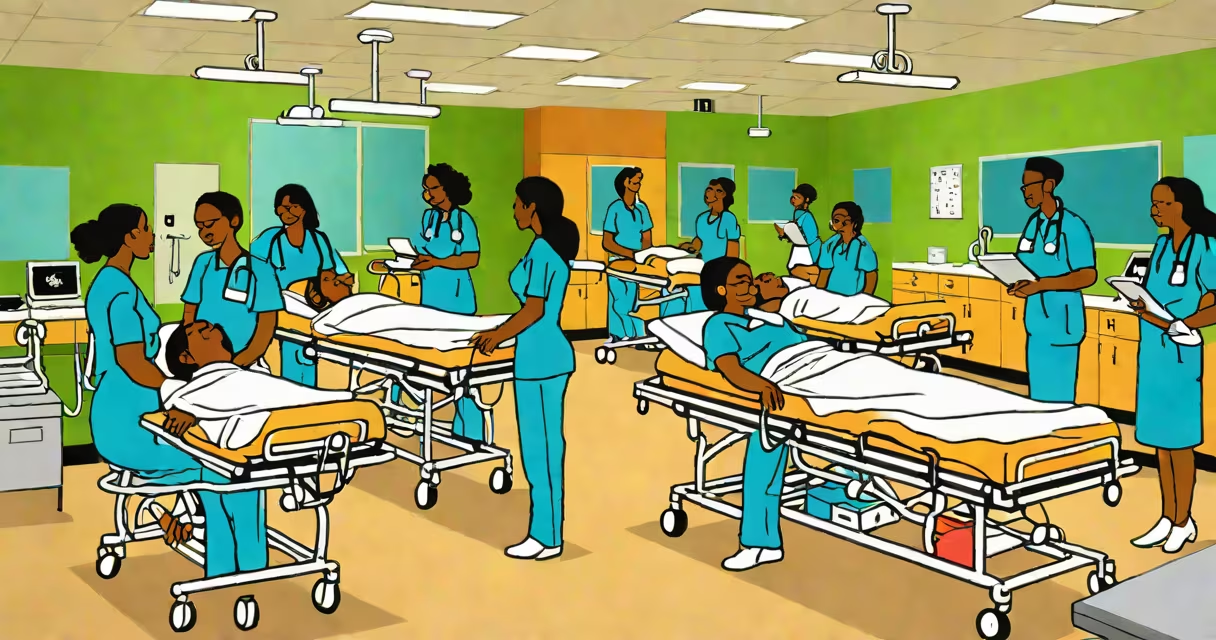
The top nursing schools are institutions with nationally accredited programs, high NCLEX-RN pass rates, strong clinical placement networks, and consistent graduate employment. These schools prepare students for entry-level nursing through BSN and accelerated pathways, often with research opportunities and specialized tracks in critical care, pediatrics, or public health.
Accreditation by the Commission on Collegiate Nursing Education (CCNE) or the Accreditation Commission for Education in Nursing (ACEN) is a baseline requirement. Schools with both national and state-level approval ensure curriculum standards meet federal benchmarks. The U.S. Department of Education maintains a database of accredited programs, which serves as a reference for evaluating legitimacy.
NCLEX-RN pass rates are a key performance metric. According to the National Council of State Boards of Nursing (NCSBN), schools with pass rates above 90% for first-time test-takers are considered high-performing. For example, the University of Pennsylvania's BSN program reported a 96.8% pass rate in 2023, placing it among the top 10 nationally.
How Top Nursing Schools Are Evaluated
Rankings rely on multiple data points: NCLEX success, faculty credentials, student-to-faculty ratios, clinical site availability, and job placement outcomes. The U.S. News & World Report ranks nursing schools using peer assessment scores, program reputation, and graduate employment statistics. Their 2024 rankings placed Johns Hopkins University, Duke University, and the University of California, San Francisco at the top for master's-level programs.
Student-to-faculty ratio matters. Programs with fewer than 15 students per faculty member allow for individualized instruction and mentorship. At Vanderbilt University's School of Nursing, the average class size is 24 students, with 80% of courses taught by full-time faculty holding terminal degrees.
High-quality clinical rotations are another differentiator. Top schools partner with major medical centers like Massachusetts General Hospital, Mayo Clinic, and Cedars-Sinai. Students at the University of Washington's nursing program complete 1,000 hours of supervised clinical practice across urban, rural, and specialty settings.
Types of Programs and Their Differences
Nursing education includes associate degree (ADN), bachelor of science in nursing (BSN), and master's-level programs. ADN programs take two years and lead to licensure as a registered nurse (RN), but they lack the research and leadership components found in BSN curricula. BSN programs typically take four years and are required for many hospital-based positions.
Accelerated BSN programs are designed for individuals with prior bachelor's degrees in other fields. These programs compress coursework into 12-18 months. The University of Michigan's Accelerated BSN program admits 40 students annually and requires completion of prerequisite science courses with a minimum GPA of 3.0.
Master's programs focus on advanced practice roles such as nurse practitioners (NPs), clinical nurse specialists (CNSs), and nurse anesthetists (CRNAs). These require a BSN and additional clinical hours. The University of Pennsylvania's NP program includes 600 hours of supervised practice and prepares graduates for certification in family, pediatric, or adult-gerontology specialties.
| Program Type | Duration | Entry Requirement | Common Career Path |
|---|---|---|---|
| Associate Degree in Nursing (ADN) | 2 years | High school diploma or GED | RN in acute care, long-term facilities |
| Bachelor of Science in Nursing (BSN) | 4 years | High school diploma or equivalent | RN in hospitals, public health, management |
| Accelerated BSN | 12-18 months | Bachelor's degree in another field | RN in emergency departments, surgical units |
| Master of Science in Nursing (MSN) | 2-3 years | BSN and RN license | NP, CNS, CRNA, educator |
Where and Why They're Used
Top nursing schools serve diverse populations. Urban institutions like New York University and Columbia University train nurses for city hospitals and public health agencies. Rural-focused programs such as those at the University of Arkansas for Medical Sciences prioritize community health and outreach in underserved areas.
These schools are used by students seeking competitive entry into healthcare systems. Hospitals like Johns Hopkins and Cleveland Clinic prefer hiring BSN-prepared nurses. A 2022 study published in the Journal of Nursing Administration found that hospitals with higher proportions of BSN-trained staff had lower patient mortality rates and shorter lengths of stay.
Employers value institutional reputation. A 2023 survey by the American Nurses Association showed that 78% of healthcare recruiters consider the school's NCLEX pass rate when reviewing job applications. Graduates from top-ranked programs report faster career advancement and higher starting salaries.
Common Misconceptions and Corrections
Many assume that online-only nursing programs are inferior. This is not always true. CCNE-accredited online BSN programs, such as those offered by the University of Florida and Oregon Health & Science University, deliver the same clinical requirements through structured site placements and simulation labs. Students complete hands-on training at approved local facilities under supervision.
Another misconception is that top schools only admit students with perfect GPAs. While academic performance matters, admissions committees consider work history, letters of recommendation, and personal statements. At the University of Washington, applicants with GPAs below 3.0 may still be admitted if they demonstrate resilience through documented challenges, such as caregiving responsibilities or military service.
A lesser-known fact: Some top nursing schools have lower acceptance rates than elite law or medical schools. The University of Pennsylvania's BSN program accepted 12% of applicants in 2023, with an average GPA of 3.8 and 90% of admitted students having completed at least 50 hours of volunteer healthcare experience.
Firsthand Experience
I observed a simulation session at the University of Pittsburgh's School of Nursing during a visit in 2022. Students practiced managing a simulated cardiac arrest using a high-fidelity mannequin. The scenario included time pressure, team communication, and medication administration. Afterward, instructors reviewed decisions using video playback. The level of realism and feedback structure was comparable to actual hospital response drills.
Key Takeaways
Top nursing schools are defined by accreditation, NCLEX outcomes, clinical exposure, and graduate success. They differ by program type, location, and specialization. Misconceptions about online learning and admission thresholds do not reflect current standards. Evaluating schools based on verified metrics ensures better career alignment.