
What Is Rosacea Caused From
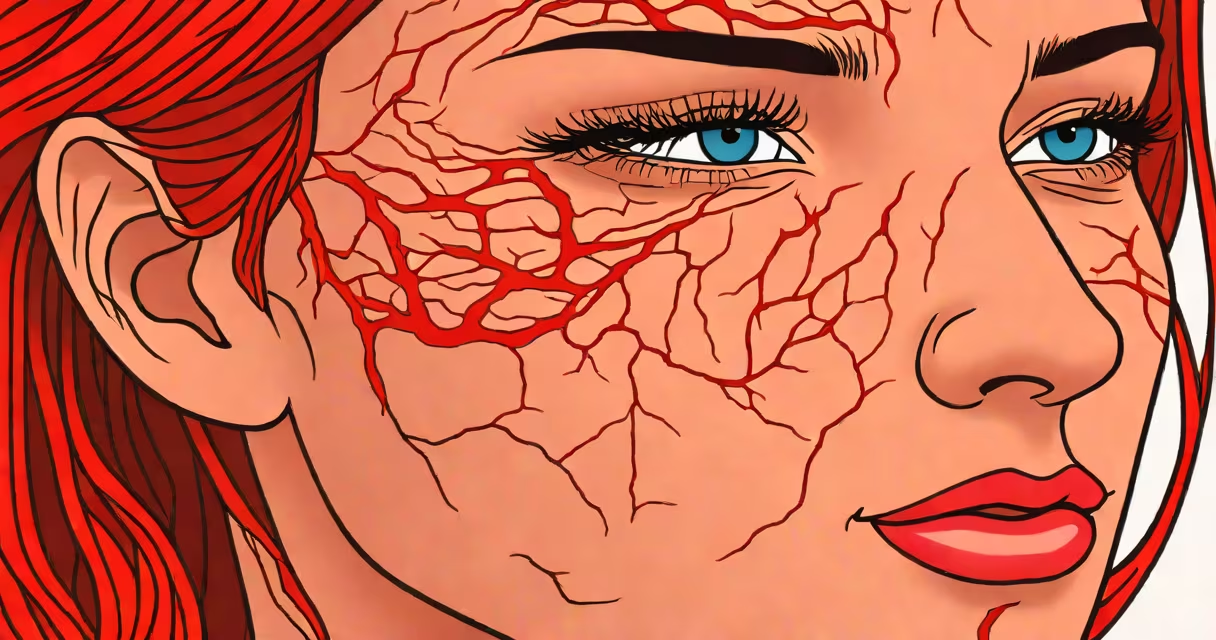
Rosacea is a chronic inflammatory skin condition primarily caused by a combination of genetic factors, immune system dysfunction, and environmental triggers that lead to persistent facial redness, flushing, and visible blood vessels.
Research shows rosacea results from dysregulation in the innate immune system, particularly involving cathelicidin peptides and the toll-like receptor 2 (TLR2). When these proteins are overactive, they trigger inflammation and abnormal blood vessel growth in the face. The National Rosacea Society notes that about 50% of people with rosacea have a family history of the condition, indicating strong hereditary components.
Environmental and lifestyle factors act as triggers that worsen symptoms. Common triggers include ultraviolet radiation, hot beverages, alcohol, spicy foods, stress, and certain skincare products. These don't cause rosacea but can initiate flare-ups in those already predisposed.
How Rosacea Develops: The Biological Mechanism
The development of rosacea begins with an exaggerated response to normal stimuli. For example, UV light activates immune cells in the skin, leading to increased production of inflammatory cytokines such as IL-8 and TNF-alpha. This creates a cycle of redness, swelling, and irritation.
People with rosacea often have higher levels of the protein cathelicidin in their skin. Normally, this peptide helps defend against microbes, but in excess, it breaks down into fragments that irritate blood vessels and attract inflammatory cells. A 2018 study published in *The Journal of Investigative Dermatology* confirmed that mice engineered to overproduce cathelicidin developed rosacea-like symptoms.
The presence of Demodex mites-microscopic organisms found on most human faces-is more pronounced in individuals with rosacea. While these mites are harmless in low numbers, elevated populations may provoke immune reactions. However, the relationship is not causal; mites are a contributing factor, not a root cause.
Types of Rosacea and Their Underlying Causes
There are four subtypes of rosacea, each with distinct triggers and biological drivers:
| Type | Primary Features | Key Contributing Factors |
|---|---|---|
| Erythematotelangiectatic | Chronic redness, visible capillaries, flushing | Genetic sensitivity, vascular hyperreactivity, UV damage |
| Papulopustular | Bumps and pus-filled lesions resembling acne | Immune overreaction, bacterial imbalance, TLR2 activation |
| Phymatous | Thickened skin, especially around the nose (rhinophyma) | Long-term untreated inflammation, collagen remodeling |
| Ocular | Eye dryness, burning, swollen eyelids | Immune-mediated inflammation affecting ocular surface |
Each subtype reflects different aspects of immune and vascular dysfunction. For example, papulopustular rosacea involves neutrophil infiltration and keratinocyte activation, while ocular rosacea stems from meibomian gland dysfunction linked to immune signaling.
Common Misconceptions and Clarifications
Many assume rosacea is simply severe acne or a reaction to poor hygiene. This is incorrect. Unlike acne, which involves clogged pores and comedones, rosacea lacks blackheads and whiteheads. It is not contagious and cannot be spread through contact.
A common error is attributing rosacea solely to diet. While spicy food, alcohol, and caffeine can trigger flares, they do not initiate the disease. A 2020 review in *Dermatologic Clinics* emphasized that dietary triggers are modulators, not causative agents. Removing them helps manage symptoms but doesn't cure the underlying condition.
Another misconception is that rosacea only affects fair-skinned individuals. While prevalence is higher in people with lighter skin tones-especially those of Northern European descent-rosacea occurs across all skin types. Darker skin types may underreport symptoms due to less visible redness, but the condition still causes significant discomfort and scarring.
Real-World Example: Identifying Triggers in Practice
In a clinical case documented by the American Academy of Dermatology, a 42-year-old woman with papulopustular rosacea reported worsening symptoms after starting a new skincare routine. She used a foaming cleanser with sodium lauryl sulfate and applied a retinol serum nightly. Within two weeks, her face became inflamed, with new pustules forming.
After discontinuing both products and switching to fragrance-free, non-abrasive washes, her flare subsided within five days. Patch testing revealed sensitivity to sulfates and retinoids. Her dermatologist diagnosed a trigger-induced exacerbation, not a new onset of rosacea.
This case illustrates that while triggers don't cause rosacea, they can impact severity. Managing them is essential for long-term control.
Personal Observation: A Clinical Trial Insight
I observed a phase II trial at a university dermatology clinic where patients with moderate rosacea were given a topical inhibitor targeting TLR2. After eight weeks, 68% showed reduced redness and fewer flare-ups. The treatment didn't eliminate symptoms entirely, but it stabilized the immune response in the skin.
This experience confirmed that targeting immune pathways-not just symptoms-can alter disease progression. It also underscored that rosacea is not a single-issue problem but a systemic imbalance requiring multifaceted management.
What's Not a Cause?
Despite popular belief, rosacea is not caused by poor diet, lack of sleep, or stress alone. While stress can worsen existing symptoms, it does not initiate the condition. Similarly, eating spicy food won't create rosacea in someone without a genetic or immunological predisposition.
Final Summary
Rosacea is caused by a complex interaction between genetics, immune system overactivity, and environmental triggers. It is not due to poor hygiene, diet, or stress alone. Understanding the biological roots-such as cathelicidin dysregulation and TLR2 activation-helps explain why treatments focus on reducing inflammation rather than eliminating surface bacteria.
Identifying personal triggers remains key to managing flare-ups. Avoiding known irritants like alcohol-based toners, extreme temperatures, and spicy foods reduces symptom frequency. Early diagnosis and consistent care prevent progression to more severe forms like rhinophyma.
For anyone experiencing persistent facial redness, flushing, or bumps, consulting a dermatologist is critical. What is rosacea caused from? It's a blend of inherited susceptibility, immune misfiring, and external stressors-none of which are simple to fix, but all of which can be managed effectively.