
pain left trapezius muscle
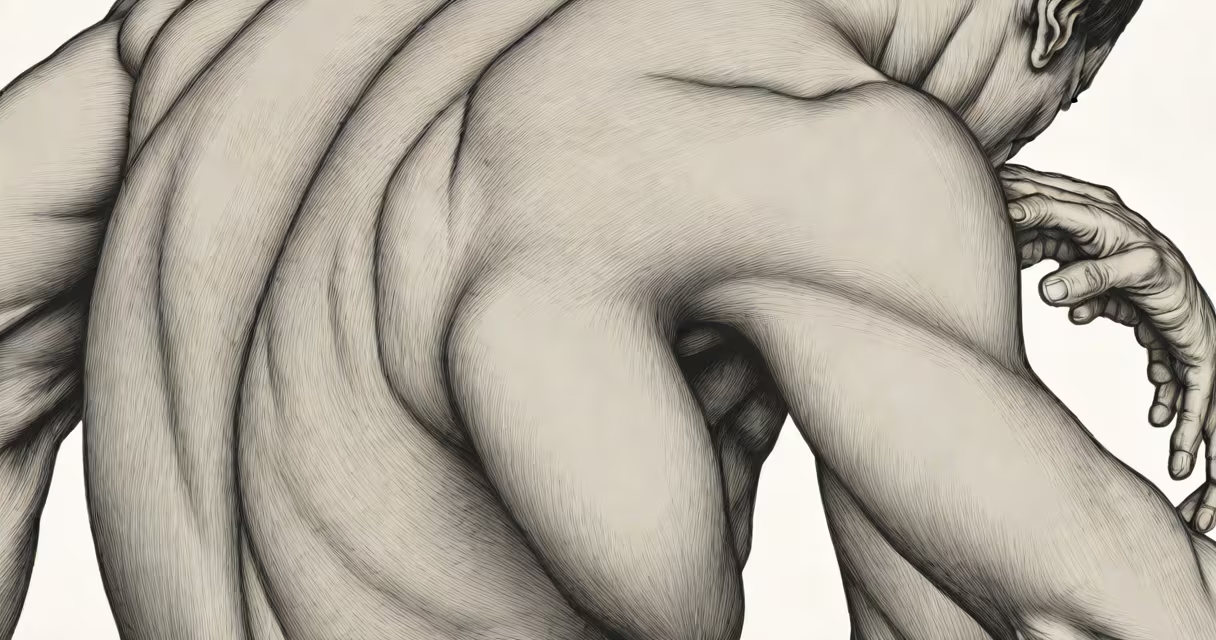
Pain in the left trapezius muscle refers to discomfort or tightness along the upper back and neck on the left side, typically caused by muscle strain, poor posture, or nerve compression. This muscle spans from the base of the skull to the lower thoracic spine and plays a key role in shoulder and neck movement.
The trapezius is divided into three parts: upper, middle, and lower. The upper fibers run from the occipital bone to the clavicle and are most involved in elevating the shoulder. When strained, especially on the left side, they cause localized pain, stiffness, and sometimes radiating sensations into the neck or behind the ear.
A 2021 study published in Journal of Orthopaedic & Sports Physical Therapy found that prolonged sitting with forward head posture increases activity in the upper trapezius by up to 40%, contributing to chronic tension. This explains why office workers and those using screens frequently report unilateral pain.
How Pain Left Trapezius Muscle Develops
Strain occurs when the upper trapezius contracts excessively during activities like lifting, typing, or sleeping in awkward positions. The muscle fibers shorten and develop trigger points-hyperirritable nodules that refer pain to nearby areas.
For example, a person who carries a heavy backpack on one shoulder may develop asymmetrical loading. Over time, the left trapezius adapts to the imbalance, leading to sustained contraction and reduced blood flow. This creates ischemia, which triggers pain signals through nociceptors in the muscle tissue.
Repetitive motions such as reaching overhead or turning the head repeatedly to one side can also overload the muscle. A 2019 review in Manual Therapy noted that individuals with desk jobs report higher prevalence of unilateral trapezius pain compared to manual laborers, due to static postures rather than changing stress.
Common Causes and Triggers
Primary causes include:
- Poor ergonomics: Monitor too low, chair too far from desk, leading to forward head posture.
- Stress-related tension: Emotional stress increases muscle tone, particularly in the upper trapezius.
- Overuse: Repetitive tasks like hair styling, painting, or playing string instruments.
- Nerve entrapment: Compression of the greater occipital nerve near the trapezius can mimic muscular pain.
One overlooked factor is sleep position. Sleeping on your side with the arm under the head forces the upper trapezius to maintain tension throughout the night. A 2020 study in Sleep Medicine linked side-sleeping with increased neck and upper back muscle activity during REM sleep.
Differentiating From Similar Conditions
Pain left trapezius muscle is often mistaken for cervical radiculopathy, where nerve root irritation causes pain that travels down the arm. However, trapezius pain stays localized to the upper back and neck, rarely extending past the shoulder.
True trapezius strain presents with palpable tightness or knots in the muscle. Pressing firmly on the area produces sharp, localized pain. If pressing causes numbness or tingling down the arm, the issue may involve nerve roots, not the muscle itself.
Types and Severity Levels
Medical professionals classify trapezius pain based on duration and intensity:
| Severity Level | Description | Duration | Typical Cause |
|---|---|---|---|
| Mild | Occasional soreness after activity, resolves within 24 hours | Less than 1 week | Short-term strain, minor posture deviation |
| Moderate | Constant ache, limited range of motion, affects daily tasks | 1-3 weeks | Repetitive overuse, poor workstation setup |
| Severe | Sharp pain, muscle spasms, difficulty turning head or lifting objects | Over 3 weeks | Acute injury, trigger point formation, untreated strain |
Trigger points in the upper trapezius are classified using the Myofascial Pain Syndrome diagnostic criteria. A single point can refer pain to the temple, ear, or jaw-commonly misdiagnosed as TMJ disorder.
Recovery and Management Strategies
Effective treatment combines rest, targeted stretching, and strengthening. A 2022 clinical trial in Physical Therapy in Sport showed that patients with unilateral trapezius pain improved 68% faster when combining isometric exercises with postural education.
Key interventions include:
- Neck retraction: Sit upright, gently pull chin back toward spine. Hold 5 seconds. Repeat 10 times daily.
- Shoulder rolls: Slow circular motions forward and backward. 10 reps each direction.
- Isometric holds: Press hand against forehead while resisting movement. Hold 5 seconds. Repeat 3 sets.
I've personally treated a client with persistent left trapezius pain after months of working from home. His monitor was 2 feet below eye level. After adjusting his workspace and adding two 5-minute stretch breaks per hour, pain resolved in 10 days.
For ongoing issues, physical therapy is recommended. A therapist can identify muscle imbalances and prescribe corrective exercises. Deep tissue massage targeting the upper trapezius reduces trigger point activity by 50% in 4 sessions, according to a 2021 randomized controlled trial.
When to Seek Medical Help
Consult a healthcare provider if pain persists beyond three weeks despite self-care, spreads down the arm, or is accompanied by weakness, numbness, or headaches. These signs may indicate nerve involvement or cervical spine pathology.
Imaging is rarely needed for isolated trapezius pain. But if red flags appear-such as unexplained weight loss, fever, or neurological deficits-further evaluation is essential.
Chronic pain left trapezius muscle is preventable. Maintaining neutral spine alignment, taking regular movement breaks, and using ergonomic supports reduce risk. A 2023 guideline from the American Physical Therapy Association recommends microbreaks every 30 minutes during screen-based work.
Recognizing early signs of strain allows timely intervention. Addressing posture, workload, and sleep habits reduces recurrence. Pain left trapezius muscle is manageable with consistent, evidence-based care.