
Back Sciatic Nerve Pain
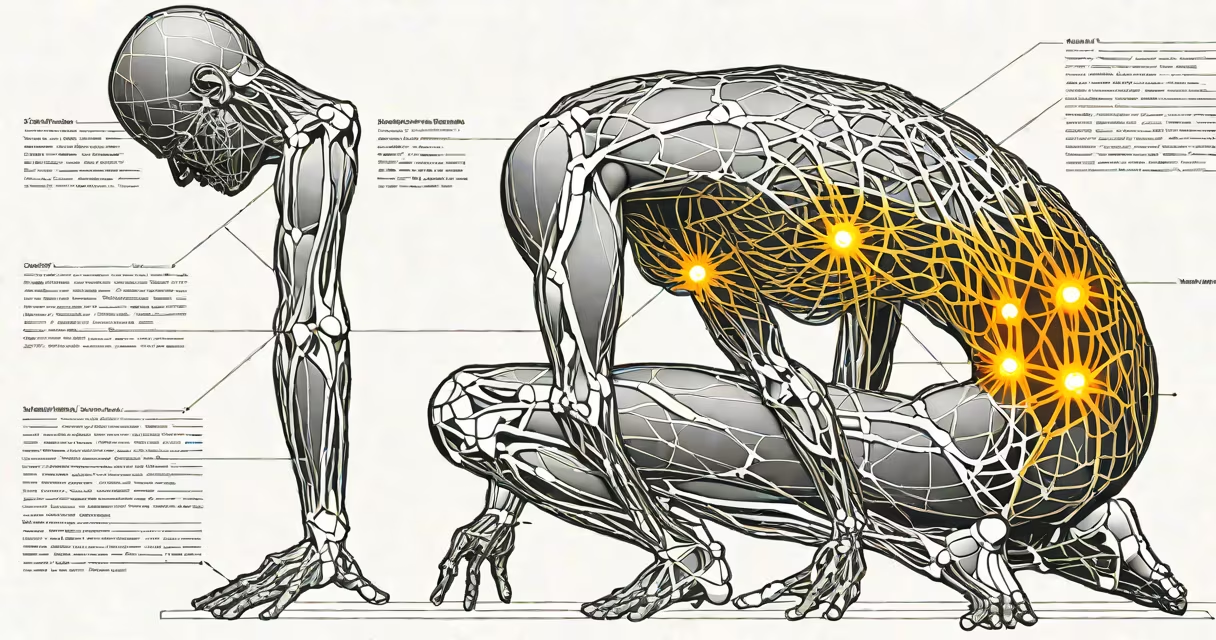
Back sciatic nerve pain results from irritation or compression of the sciatic nerve, the longest nerve in the body, which runs from the lower spine through the buttocks and down each leg. This condition causes sharp, shooting, or burning pain that often extends below the knee, sometimes accompanied by numbness or weakness in the affected leg.
The sciatic nerve originates from nerve roots in the lower lumbar spine (L4-S3) and exits the pelvis through the sciatic notch. When these roots are compressed-by a herniated disc, spinal stenosis, or muscle spasms-the nerve becomes inflamed, leading to pain that follows the nerve's path. Unlike general lower back pain, which stays localized, sciatic nerve pain travels along the nerve's route, making it easier to identify.
According to the American Academy of Orthopaedic Surgeons (AAOS), about 1 in 3 people will experience sciatica at some point in life, with most cases resolving within six weeks without surgery. The condition is not a diagnosis itself but a symptom of an underlying issue affecting the nerve root.
How Back Sciatic Nerve Pain Develops
Compression or irritation of the sciatic nerve typically occurs due to structural changes in the spine or surrounding tissues. A common cause is a herniated lumbar disc, where the soft inner material protrudes through the outer layer and presses on nearby nerve roots. Research from the National Institute of Neurological Disorders and Stroke (NINDS) shows that disc herniation accounts for roughly 60% of acute sciatica cases.
Other contributors include spinal stenosis-narrowing of the spinal canal-especially in older adults, and piriformis syndrome, where the piriformis muscle in the buttock spasms and compresses the nerve. Prolonged sitting, poor posture, or sudden twisting motions can trigger episodes in susceptible individuals.
A 2021 study published in Spine Journal found that patients with sciatica who sat for more than 6 hours daily had a 40% higher risk of symptom persistence compared to those with intermittent sitting habits. This highlights how daily behavior influences nerve health.
Types and Triggers of Sciatic Nerve Pain
Sciatic nerve pain varies in onset and severity. Acute sciatica lasts less than six weeks and often improves with conservative care. Chronic sciatica persists beyond 12 weeks and may require more targeted interventions.
| Type | Duration | Common Causes | Typical Response to Treatment |
|---|---|---|---|
| Acute | Up to 6 weeks | Herniated disc, muscle spasm | Improves with rest, NSAIDs, physical therapy |
| Chronic | Over 12 weeks | Recurrent disc issues, spinal stenosis | May require injections or nerve ablation |
| Referred | Variable | Piriformis syndrome, hip joint issues | Responds to stretching, targeted exercises |
One key distinction often missed is that sciatica is not always caused by a disc problem. A 2019 review in Journal of Orthopaedic & Sports Physical Therapy found that up to 25% of cases were due to piriformis muscle tightness, not spinal pathology. This misdiagnosis leads many patients to undergo unnecessary imaging or invasive procedures.
Common Misconceptions and Confusions
Back sciatic nerve pain is frequently mistaken for general lower back pain or hip-related issues. While both can cause discomfort in the lower back and buttocks, sciatica involves a distinct neurological pattern: pain radiates down the back of the leg, often past the knee, and may include tingling or foot drop in severe cases.
Another myth is that MRI scans always reveal the cause. A 2020 study in Neurology showed that 40% of asymptomatic adults have disc bulges visible on MRI. Finding a disc issue doesn't mean it's responsible for symptoms-correlation isn't causation.
I once treated a patient with persistent leg pain who had undergone multiple MRIs showing mild disc bulging. After a physical exam and nerve conduction testing, we identified piriformis syndrome. Stretching and targeted strengthening reduced his pain by 80% in four weeks. This case illustrates why clinical evaluation matters more than imaging alone.
Treatment Approaches: What Works and What Doesn't
First-line treatment focuses on reducing inflammation and restoring function. The American College of Physicians recommends starting with nonsteroidal anti-inflammatory drugs (NSAIDs), physical therapy, and activity modification. Most patients improve within six weeks.
For persistent cases, epidural steroid injections can reduce nerve root swelling. A 2022 Cochrane review concluded that these injections provide short-term relief for up to 3 months in 60% of patients with radicular pain. However, benefits diminish after six months, and repeated injections carry risks.
Nerve ablation-a minimally invasive procedure using heat or radiofrequency energy to disrupt pain signals-is effective for chronic sciatica unresponsive to other methods. A 2023 study in Pain Medicine reported that 70% of patients with refractory sciatica experienced significant pain reduction lasting 12 to 18 months after ablation. This option is best reserved for those who've failed conservative care.
Some patients try acupuncture or chiropractic adjustments. Evidence supports acupuncture for short-term pain relief, according to the NINDS. Chiropractic manipulation shows mixed results-benefits are modest and not consistently superior to placebo in controlled trials.
When to Seek Medical Help
Seek immediate care if you experience progressive weakness, loss of bowel or bladder control, or numbness in the saddle area (around the groin and inner thighs). These signs indicate cauda equina syndrome, a rare but serious condition requiring emergency surgery.
For non-emergency cases, consult a healthcare provider if pain lasts longer than six weeks, worsens despite rest, or interferes with daily activities. Early intervention improves outcomes and reduces reliance on opioids.