
What Is the Cause of Osteopenia
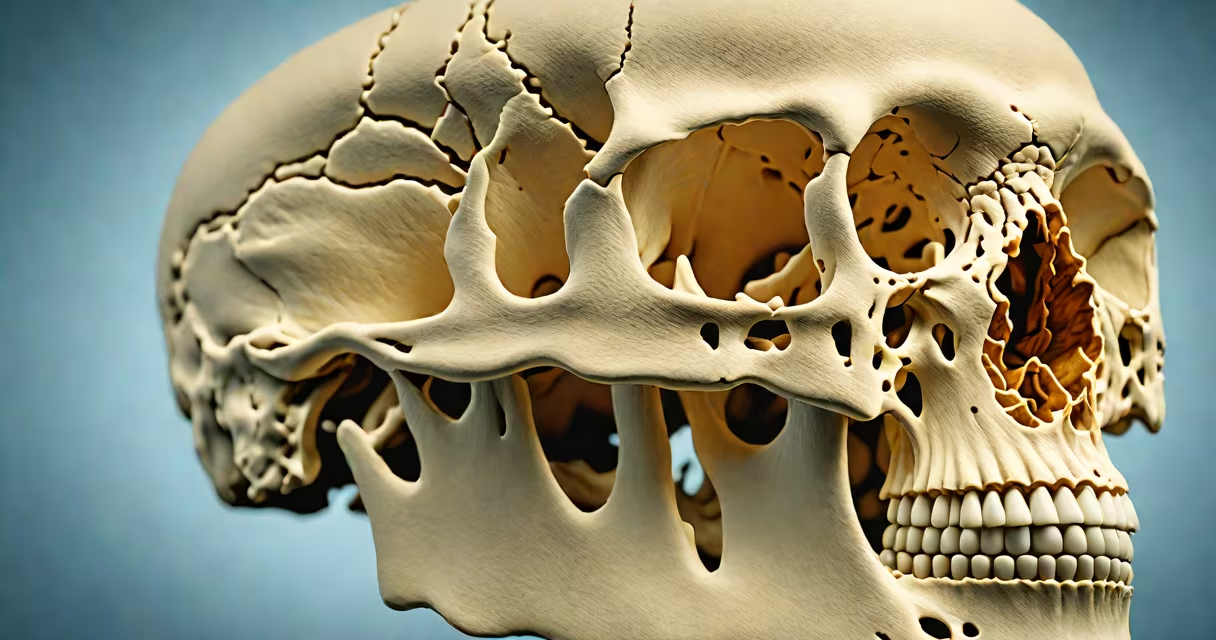
Osteopenia occurs when bone mineral density falls below normal but hasn't reached the threshold for osteoporosis. It's diagnosed through a DEXA scan with a T-score between -1.0 and -2.5. This condition increases fracture risk and often precedes osteoporosis.
Bone is living tissue that constantly remodels-old bone is broken down and new bone is formed. Osteopenia develops when bone resorption outpaces formation. The imbalance stems from biological, lifestyle, and medical factors that disrupt this process.
According to the National Institutes of Health (NIH), about 50 million Americans have low bone density, with osteopenia affecting nearly half of adults over 50. The condition rarely causes symptoms until a fracture occurs, making early detection critical.
How Bone Density Declines Over Time
Bone mass peaks around age 30. After that, natural decline begins. For women, bone loss accelerates during and after menopause due to falling estrogen levels. Estrogen suppresses osteoclast activity-the cells responsible for breaking down bone. When estrogen drops, osteoclasts become overactive, leading to faster bone loss.
Men also lose bone mass with age, but at a slower rate. A 2021 study published in Journal of Clinical Endocrinology & Metabolism found that men aged 60-70 lose about 0.5% of bone density annually, while women in the same age group lose 1-2% per year.
Weight-bearing activity stimulates bone formation. Sedentary lifestyles reduce mechanical stress on bones, decreasing bone remodeling signals. Lack of physical activity contributes to lower peak bone mass and earlier onset of osteopenia.
Primary Medical and Nutritional Causes
Vitamin D deficiency is a major contributor. Vitamin D enables calcium absorption in the intestines. Without sufficient vitamin D, even adequate dietary calcium cannot be utilized effectively. The Institute of Medicine reports that 15% of U.S. adults have serum vitamin D levels below 20 ng/mL, a level associated with increased bone fragility.
Calcium intake below recommended levels also plays a role. The Recommended Dietary Allowance (RDA) for calcium is 1,000 mg/day for adults 19-50 and 1,200 mg/day for those over 50. Diets consistently below these amounts correlate with lower bone mineral density.
Certain medications accelerate bone loss. Glucocorticoids-used to treat asthma, rheumatoid arthritis, and lupus-suppress osteoblast function. Long-term use reduces bone formation. The FDA notes that patients on daily prednisone doses above 7.5 mg for more than three months face a 30-50% higher risk of developing osteopenia.
Common Conditions Linked to Osteopenia
| Condition | Impact on Bone Density | Prevalence in Osteopenia Cases |
|---|---|---|
| Menopause | Estrogen drop increases resorption; rapid bone loss in first 5 years | ~60% |
| Hypogonadism | Low testosterone in men correlates with reduced bone formation | ~15% |
| Hyperparathyroidism | Excess PTH increases bone resorption; high calcium levels damage kidneys | ~5% |
| Celiac disease | Malabsorption of calcium and vitamin D; chronic inflammation damages bone | ~8% |
Autoimmune disorders such as rheumatoid arthritis increase systemic inflammation, which promotes osteoclast activation. A 2020 review in Rheumatology found that RA patients have a 40% higher prevalence of osteopenia compared to age-matched controls.
Chronic kidney disease impairs vitamin D activation. The kidneys convert 25-hydroxyvitamin D to its active form, calcitriol. When renal function declines, calcitriol production drops, reducing calcium absorption and weakening bone.
Common Misconceptions and Clarifications
Osteopenia is not a disease-it's a diagnostic category indicating reduced bone density. It doesn't mean you'll develop osteoporosis. Many people with osteopenia never fracture and maintain stable bone mass with lifestyle changes.
Some assume osteopenia only affects older women. While women are more likely to be diagnosed due to menopause-related bone loss, men account for 30% of osteopenia cases. Men often go undiagnosed because screening is less routine.
Another misconception is that calcium supplements alone reverse osteopenia. A 2018 Cochrane review found that calcium supplementation without vitamin D or weight-bearing exercise provides minimal benefit. Bone health requires a combination of nutrition, movement, and hormone balance.
Real-World Example: A Patient Case Study
A 58-year-old woman presented with a DEXA scan showing a T-score of -1.8. She reported no fractures but had a history of early menopause at age 45, low dairy intake, and limited outdoor activity. Blood tests revealed vitamin D level at 14 ng/mL and serum calcium at 8.8 mg/dL.
Her diagnosis was osteopenia secondary to estrogen deficiency and vitamin D insufficiency. She began a regimen of 1,200 mg calcium daily, 2,000 IU vitamin D3, and weight-bearing exercises three times weekly. After 12 months, her follow-up DEXA showed stabilization at -1.6.
This case illustrates that osteopenia is reversible in many cases with targeted intervention. Early action prevents progression to osteoporosis.
When to Seek Evaluation
The U.S. Preventive Services Task Force recommends bone density screening for women aged 65 and older. Men should be screened at 70. Individuals under 65 with risk factors-such as smoking, low body weight, family history of hip fracture, or long-term steroid use-should be evaluated earlier.
If you've experienced a fracture after a minor fall, or have height loss exceeding 1 inch since age 25, consult a healthcare provider. These signs may indicate underlying bone loss.
Understanding the cause of osteopenia allows for personalized prevention. Addressing modifiable factors like diet, activity, and medication use can halt or reverse bone loss.