
What Type of Disease Is Leprosy
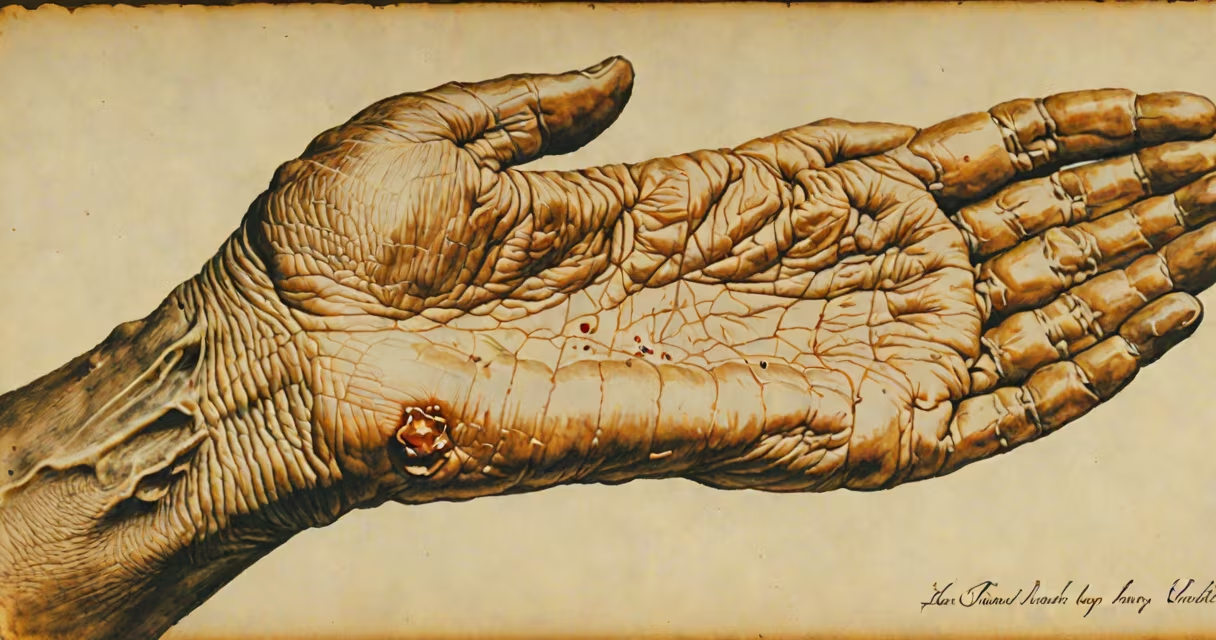
Leprosy, also known as Hansen's disease, is a chronic bacterial infection caused by Mycobacterium leprae that primarily targets the skin, peripheral nerves, and mucosal surfaces of the upper respiratory tract. It progresses slowly, often over years, and can result in permanent nerve damage, muscle weakness, and disfigurement if left untreated. The disease is not highly contagious and requires prolonged close contact for transmission.
The infection begins when M. leprae enters the body through the skin or respiratory tract. Once inside, it multiplies slowly in cooler areas of the body-such as the skin, nose, and extremities-where temperatures are lower. The bacteria interfere with nerve function, leading to loss of sensation, which increases the risk of injury and secondary infections. Skin lesions typically appear as pale or reddish patches that may lack sensation due to nerve involvement.
According to the World Health Organization (WHO), leprosy affects approximately 200,000 new people annually worldwide, with the majority of cases occurring in India, Brazil, and Indonesia. Despite its historical stigma, leprosy is treatable with multidrug therapy (MDT), which includes rifampicin, dapsone, and clofazimine. Treatment duration ranges from six months to a year, depending on the severity and type of disease.
How Leprosy Works: The Biology Behind the Infection
Mycobacterium leprae thrives in the human body's cooler tissues, particularly the skin and peripheral nerves. Unlike many bacteria, it cannot be cultured in standard laboratory media, making diagnosis reliant on clinical signs, skin smears, and histopathological examination. The bacterium's slow replication cycle-approximately every 14 days-explains the long incubation period, which can range from 2 to 20 years.
Immune response plays a key role in determining disease presentation. The body's reaction to the bacteria falls along a spectrum: tuberculoid (strong immune response, limited spread) to lepromatous (weak response, widespread infection). This classification influences treatment approach and prognosis. Tuberculoid leprosy shows few skin lesions and early nerve damage, while lepromatous leprosy involves numerous skin nodules, symmetric nerve involvement, and high bacterial load.
A 2021 study published in Nature Microbiology revealed that M. leprae has undergone significant genome reduction over time, losing genes related to independent metabolism. This genetic decay confirms its adaptation to a host-dependent lifestyle, limiting its ability to survive outside the human body. As a result, transmission occurs almost exclusively through respiratory droplets during prolonged household contact.
Types of Leprosy: Classification and Clinical Presentation
Leprosy is classified based on the immune system's response and the extent of bacterial presence. The Ridley-Jopling classification system remains the gold standard for categorizing cases into five types:
| Type | Immune Response | Bacterial Load | Lesion Pattern | Nerve Involvement |
|---|---|---|---|---|
| Tuberculoid | Strong | Low | Single or few hypopigmented patches | Asymmetric, early onset |
| Borderline Tuberculoid | Intermediate | Low to moderate | Multiple lesions with well-defined edges | Progressive, variable |
| Borderline | Unstable | Moderate | Variable lesions, shifting between types | Persistent, bilateral |
| Borderline Lepromatous | Weak | High | Diffuse skin infiltration, nodules | Widespread, symmetric |
| Lepromatous | Very weak | Very high | Extensive skin nodules, facial disfigurement | Severe, bilateral |
Each type requires tailored treatment. Borderline cases are especially unstable and may shift toward either end of the spectrum during treatment, sometimes triggering reversal reactions-sudden inflammation of previously stable lesions. These reactions require corticosteroids to manage and are a major reason for monitoring during therapy.
Where and Why Leprosy Persists Today
Leprosy remains endemic in tropical and subtropical regions where poverty, overcrowding, and poor access to healthcare increase transmission risk. In India, over 60% of global cases are reported annually. The country's National Leprosy Eradication Program (NLEP) has reduced prevalence to below one case per 10,000 people, meeting WHO elimination criteria since 2005. However, new cases still emerge due to delayed diagnosis and stigma.
Stigma persists despite medical advances. In parts of Africa and Southeast Asia, individuals with visible deformities face social exclusion, marriage barriers, and employment discrimination. A 2019 study in The Lancet Global Health found that 43% of patients in rural Nepal delayed seeking care due to fear of rejection. Early detection through community health workers reduces disability rates.
One non-obvious fact: leprosy is not hereditary. It is not passed genetically from parent to child. Misconceptions about inheritance contribute to stigma. The disease spreads only through prolonged close contact-usually within households-and not via casual touch, sharing food, or sexual activity.
Common Confusions and Corrections
Leprosy is frequently misunderstood as a highly contagious or deadly disease. In reality, it is not airborne in the way tuberculosis is. Transmission requires prolonged exposure to infected nasal secretions-typically over months-making casual contact negligible. The WHO states that 95% of people have natural immunity to M. leprae.
Another common error is equating leprosy with biblical leprosy. Ancient texts described various skin conditions under the term "lepra," including psoriasis and vitiligo. Modern leprosy is distinct in cause, pathology, and treatment. The name "Hansen's disease" honors Gerhard Armauer Hansen, who identified the causative bacterium in 1873.
I once observed a patient in a clinic in northern India whose hands had lost sensation due to untreated nerve damage. He had not sought care for seven years because he believed the condition was punishment. After starting MDT, his skin lesions improved, and nerve function stabilized. His story underscores how misinformation delays treatment and worsens outcomes.
Early diagnosis and prompt treatment prevent disability. Multidrug therapy eliminates the bacteria and halts progression. Public health efforts focus on reducing stigma, improving access to care, and training primary health workers to recognize early signs. With consistent treatment, most patients recover fully and return to normal life.