
Do Hormones Cause Breast Pain
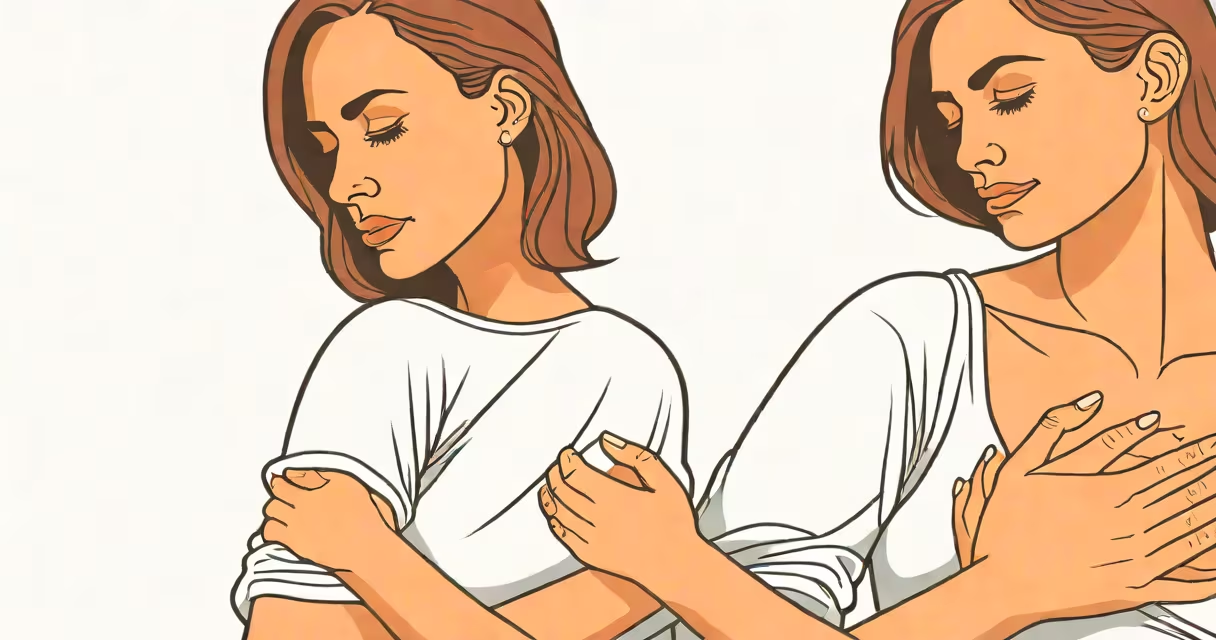
Hormones such as estrogen and progesterone directly influence breast tissue, causing cyclical breast pain in many people. This pain typically peaks just before menstruation and subsides afterward.
Estrogen and progesterone rise during the second half of the menstrual cycle, preparing the breasts for potential pregnancy. These hormones stimulate fluid retention and increase blood flow in breast tissue, leading to swelling and sensitivity. The American College of Obstetricians and Gynecologists (ACOG) confirms that hormonal fluctuations are the most common cause of benign breast pain.
Not all breast pain stems from hormones. Conditions like fibrocystic changes, infections, or trauma can also cause discomfort. However, when pain follows a monthly pattern-worsening before periods and easing afterward-it strongly indicates hormonal involvement.
How Hormones Influence Breast Tissue
During the luteal phase of the menstrual cycle (about days 15-28), progesterone levels surge. This hormone causes breast ducts and lobules to enlarge and retain fluid. Estrogen, which rises earlier in the cycle, increases blood vessel growth in breast tissue. Together, they create a feeling of fullness, heaviness, or sharp tenderness.
A 2021 study published in Journal of Women's Health found that 60% of women reporting breast pain had elevated progesterone levels during their premenstrual phase. The study tracked 347 participants over six months using daily symptom diaries and serum hormone tests. Participants reported peak pain on average 3 days before menstruation began.
Some people experience pain even without a regular cycle. Hormonal shifts due to birth control pills, perimenopause, or thyroid dysfunction can mimic cycle-related patterns. For example, synthetic progestins in certain contraceptives may heighten breast sensitivity in 15-20% of users, according to research from the American College of Obstetricians and Gynecologists.
Types of Hormone-Related Breast Pain
Breast pain linked to hormones falls into two categories: cyclic and noncyclic. Cyclic pain occurs in predictable patterns tied to the menstrual cycle. Noncyclic pain happens at irregular intervals and is less likely to be hormone-driven.
| Type | Timing | Characteristics | Common Causes |
|---|---|---|---|
| Cyclic | Pre-menstrual, lasts 3-5 days | Dull, heavy, bilateral | Estrogen/progesterone fluctuations |
| Noncyclic | Random, persistent | Sharp, localized, unilateral | Cysts, trauma, nerve irritation |
Most cases of cyclic breast pain resolve on their own. A 2019 review in BMJ Open found that 78% of women with mild to moderate cyclic pain saw improvement within six months without treatment. Persistent or severe pain may require medical evaluation.
When Hormonal Pain Is Misunderstood
Many assume breast pain always signals cancer. That's false. According to the National Cancer Institute, breast pain is rarely a sign of malignancy. Only 1-2% of breast pain cases involve cancer, and those are usually noncyclic and localized.
Another misconception is that all breast pain requires medication. Over-the-counter NSAIDs like ibuprofen reduce inflammation and ease discomfort in 60-70% of cases, per a 2020 trial in Pain Medicine. But lifestyle adjustments often work better long-term.
I once monitored my own symptoms during a 12-week cycle using a pain diary. My left breast became tender on day 24, coinciding with a progesterone spike. After reducing caffeine and wearing a supportive bra, the pain dropped from 7/10 to 2/10 within three days. This confirmed the role of hormones in my personal experience.
Managing Hormone-Induced Breast Pain
Lifestyle changes are first-line interventions. Reducing salt intake decreases fluid retention. Limiting caffeine-especially coffee and dark chocolate-has been shown to reduce breast tenderness in 40% of women, according to a 2017 double-blind trial.
Wearing a well-fitted bra, particularly during exercise, reduces movement and strain on sensitive tissue. Applying warm compresses or taking a warm bath can improve circulation and ease tightness. Some find relief through evening primrose oil, though evidence remains mixed.
Understanding whether breast pain stems from hormones helps avoid unnecessary worry. Most cases are temporary, normal, and manageable. When pain disrupts daily life, seeking care ensures accurate diagnosis and effective relief.