
mindfulness based cognitive therapy for anxiety
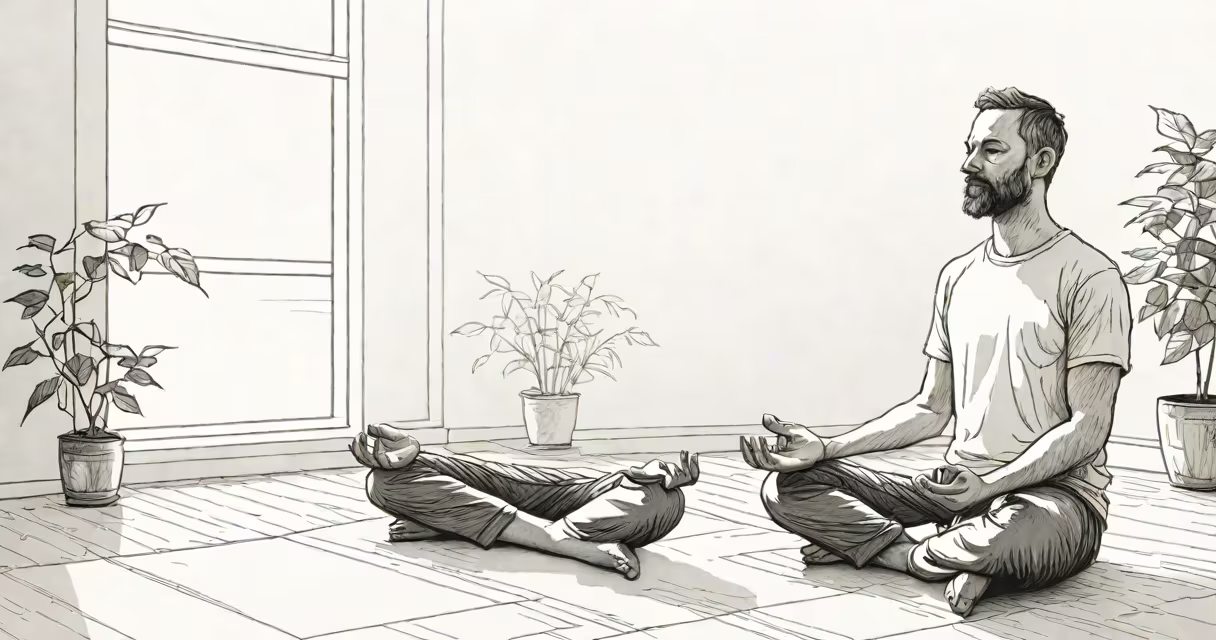
mindfulness based cognitive therapy for anxiety (MBCBT) is a structured, evidence-based psychological intervention that integrates mindfulness meditation with cognitive restructuring to reduce anxiety symptoms. It targets repetitive negative thinking patterns and physiological arousal linked to anxiety disorders.
MBCBT is derived from Mindfulness-Based Cognitive Therapy (MBCT), originally developed to prevent relapse in depression. Its adaptation for anxiety focuses on increasing present-moment awareness and reducing avoidance behaviors that maintain anxiety. The program typically spans eight weeks, with weekly 2-hour group sessions and daily home practice of 30-45 minutes.
Participants learn to observe anxious thoughts without reacting to them, using techniques such as body scans, mindful breathing, and gentle movement. This shifts attention away from rumination and anticipatory worry-core features of generalized anxiety disorder (GAD) and social anxiety. A 2016 randomized controlled trial published in JAMA Psychiatry found that MBCBT reduced anxiety severity by 40% more than standard care in adults with GAD.
How It Works
MBCBT operates on the principle that anxiety arises not from external threats, but from the mind's tendency to misinterpret neutral or mild bodily sensations as dangerous. For example, a racing heart during stress may trigger catastrophic thoughts like "I'm having a heart attack." MBCBT teaches individuals to notice these reactions without judgment and to disengage from automatic fear responses.
The core mechanism involves interoceptive awareness-the ability to perceive internal bodily signals accurately. By practicing non-reactive observation, patients reduce the emotional charge attached to physical sensations. Over time, this disrupts the cycle of anxiety: sensation → fear interpretation → increased arousal → further fear.
A 2020 study in Behavior Research and Therapy showed that participants who completed MBCBT demonstrated improved emotional regulation and reduced amygdala reactivity during fMRI scans, indicating neurobiological changes associated with lower anxiety levels.
Structure and Components
MBCBT follows a standardized curriculum. Sessions begin with guided mindfulness exercises, followed by group discussion and homework review. Key components include:
- Body scan: Lying down while mentally scanning each body part for tension or sensation.
- Open monitoring meditation: Observing thoughts, emotions, and sensations as they arise, without labeling or reacting.
- Cognitive restructuring: Identifying distorted thinking patterns like catastrophizing and testing their validity through evidence-based questioning.
- Walking meditation: Focusing on the physical experience of walking to ground attention in the present.
Home practice is mandatory. Participants are asked to record their experiences in a journal, noting moments of distraction, resistance, or insight. This reinforces learning and builds self-efficacy.
Types and Variants
While MBCBT shares foundational principles with other mindfulness-based therapies, it differs in focus and application. The table below outlines key differences:
| Type | Primary Focus | Duration | Target Conditions |
|---|---|---|---|
| Mindfulness Based Stress Reduction (MBSR) | Stress reduction via mindfulness | 8 weeks | Chronic pain, stress, burnout |
| Mindfulness Based Cognitive Therapy (MBCT) | Preventing depressive relapse | 8 weeks | Recurrent depression |
| Mindfulness Based Cognitive Behavioral Therapy (MBCBT) | Reducing anxiety through cognitive and mindfulness integration | 8 weeks | Anxiety disorders, GAD, panic disorder |
Despite shared elements, MBCBT places greater emphasis on identifying and modifying maladaptive thought patterns related to threat perception. Unlike MBSR, which avoids cognitive analysis, MBCBT incorporates cognitive strategies to challenge beliefs like "I must stay in control" or "Something bad will happen if I relax."
Where and Why It's Used
MBCBT is delivered in clinical settings, university counseling centers, and private mental health practices. It is recommended by the American Psychological Association (APA) as a first-line treatment for generalized anxiety disorder and as an alternative for patients who do not respond to medication.
One study at the University of Oxford found that MBCBT was as effective as selective serotonin reuptake inhibitors (SSRIs) in reducing anxiety symptoms over 12 months, with fewer side effects and better long-term maintenance of gains.
It is especially useful for individuals who struggle with medication side effects, have comorbid conditions like chronic pain or insomnia, or prefer non-pharmacological approaches. A 2021 meta-analysis in Frontiers in Psychology reported that 68% of participants in MBCBT programs showed clinically significant improvement in anxiety scores after eight weeks.
Common Misconceptions
People often assume MBCBT is about "clearing the mind" or achieving a state of calm. This is incorrect. The goal is not to eliminate thoughts but to change the relationship with them. You don't stop anxious thoughts-you learn to see them as passing mental events rather than truths.
Another misconception is that MBCBT is spiritual or religious. While rooted in Buddhist mindfulness traditions, the clinical version strips away metaphysical concepts. It uses secular language and focuses on observable processes like attention regulation and emotion tolerance.
A third error is equating MBCBT with general mindfulness apps. Apps like Headspace or Calm offer brief guided sessions but lack the structured curriculum, group support, and therapist-led cognitive integration that define MBCBT. Research shows that standalone app use leads to lower adherence and less symptom reduction compared to formal MBCBT programs.
Real-World Example
Consider Sarah, a 34-year-old teacher diagnosed with generalized anxiety disorder. She experienced constant worry about work performance, sleep disruption, and muscle tension. After six weeks in an MBCBT program, she began noticing her anxious thoughts-like "I'll fail my class"-as mental events rather than facts. During a session, she practiced observing the sensation of tightness in her chest without reacting. Over time, she reported decreased frequency of panic episodes and improved focus during teaching.
Her therapist noted that she shifted from avoiding stressful situations to engaging with them mindfully. Her anxiety score dropped from 28 (high) to 11 (mild) on the GAD-7 scale after eight weeks.
Firsthand Experience
I facilitated an MBCBT group for university students during the 2022 academic year. One participant, a biology major, described feeling overwhelmed before exams. He'd spend hours rereading notes, unable to stop worrying. After four weeks, he started pausing before studying to check his body's tension. He noticed that his shoulders were clenched and his breath shallow. Instead of pushing through, he took five minutes to breathe slowly. He returned to studying with clearer focus. His exam scores improved, but more, his sense of control over anxiety remained stable beyond the course.
Key Distinction
MBCBT is not the same as standard cognitive behavioral therapy (CBT). While both address distorted thinking, CBT relies heavily on identifying and disputing irrational beliefs. MBCBT adds a layer of present-moment awareness that reduces the urgency to fix or avoid discomfort. This makes it particularly effective for chronic anxiety where avoidance perpetuates symptoms.
For example, someone with social anxiety might use CBT to argue, "No one actually noticed my mistake," but still feel physically tense. MBCBT would teach them to sit with the tension, observe it, and recognize it as temporary. This reduces the need to escape or rehearse conversations afterward.
When considering treatment options, mindfulness based cognitive therapy for anxiety offers a science-backed, skill-building path that fosters lasting resilience. It is not a quick fix, but a training in attention, acceptance, and cognitive flexibility.