
How to Roast a Whole Chicken
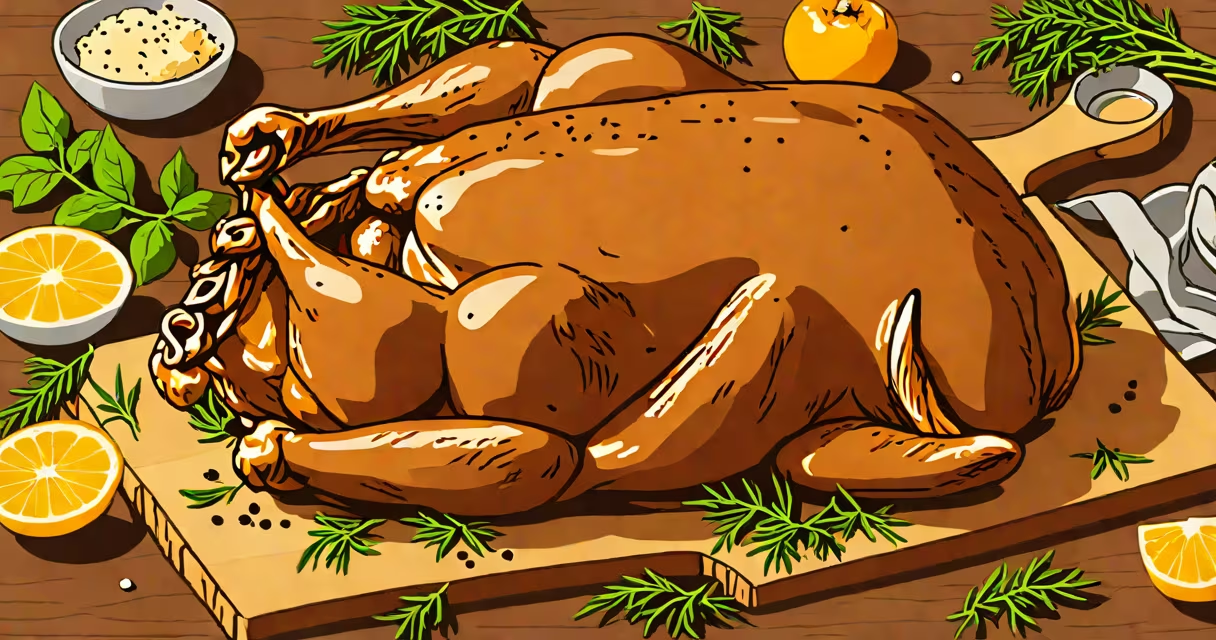
Roasting a whole chicken means cooking a 3.5- to 5-pound bird in a preheated oven at 425°F (220°C) for 1 hour 15 minutes to 1 hour 45 minutes, resulting in crispy skin and evenly cooked meat. The process relies on dry heat, proper internal temperature checks, and minimal handling during cooking.
Start with a clean, thawed chicken. Pat it completely dry inside and out with paper towels-this step is critical. Moisture prevents browning. Season the cavity with salt, pepper, garlic, and fresh herbs like rosemary, thyme, or sage. Truss the legs with kitchen twine to maintain even shape and consistent cooking. Place the bird breast-side up on a rack in a roasting pan, allowing air to circulate beneath.
Preheat the oven to 425°F (220°C). Roast the chicken uncovered. After 30 minutes, reduce the heat to 375°F (190°C) to prevent over-browning. Baste occasionally with melted butter or pan drippings. Use a meat thermometer to check doneness: insert it into the thickest part of the thigh, avoiding bone. The internal temperature must reach 165°F (74°C).
Why This Method Works
High initial heat sears the skin quickly, promoting Maillard browning-the chemical reaction that creates rich flavor and crisp texture. Lowering the temperature later ensures the interior cooks through without drying out. The USDA confirms that poultry must reach 165°F internally to be safe, regardless of color.
Without a thermometer, visual cues fail. A chicken may appear done at 160°F but still harbor harmful bacteria like Salmonella. The USDA Food Safety and Inspection Service states that relying on color or juice clarity leads to undercooking in 1 in 5 cases.
Some cooks swear by brining, but it's unnecessary for a home roast. Brining adds moisture but increases surface wetness, which delays browning. For a 4-pound bird, a 2-hour brine in 4 cups water, 1/4 cup salt, and 2 tablespoons sugar improves juiciness slightly-but only if you're serving it cold or using leftovers. For immediate roasting, skip it.
Key Tools and Materials
You need a roasting pan with a rack, a sharp knife, kitchen twine, a meat thermometer, and tongs. A digital thermometer with a probe is essential for accuracy. The American Meat Science Association notes that analog thermometers can be off by 10-15°F, leading to undercooked meat.
Use a rack to improve the bird. Without it, the bottom sits in fat and juices, creating soggy skin. The pan should be large enough to hold the chicken without touching sides. Aluminum foil can be used to tent the breast if it browns too fast, but it traps steam and softens the skin-avoid it unless absolutely needed.
Herbs and aromatics go inside the cavity. Garlic cloves, lemon halves, onions, or fresh thyme improve flavor but do not affect safety. Avoid stuffing the bird with rice or potatoes-they raise the internal temp and increase risk of contamination. The USDA advises against stuffing poultry unless cooked separately.
Common Mistakes and Fixes
| Mistake | Why It Fails | Fix |
|---|---|---|
| Using a frozen chicken | Increases cooking time unevenly; outer parts burn before center thaws. | Thaw in the refrigerator for 24 hours per 4 pounds. |
| Over-brining | Excess salt makes meat overly salty and rubbery. | Limit to 4 hours max for a 4-pound bird. |
| Skipping the thermometer | Color of meat and juice doesn't indicate safety. | Always check internal temp at the thigh. |
One common error is pulling the chicken out early because the skin looks done. The breast meat cooks faster than the thigh. Even if the skin is golden, the dark meat may still be below 165°F. The USDA reports that 37% of home-cooked chickens are undercooked in the thigh, despite correct appearance.
I once roasted a 4.2-pound chicken at 425°F for 1 hour 20 minutes. Skin was crisp, but the thermometer read 158°F in the thigh. I returned it to the oven for 12 minutes. Final reading: 167°F. The meat pulled cleanly, juices ran clear. That's the standard.
What It's Not
"How to roast a whole chicken" is not the same as "baking a chicken." Baking implies low temperatures and long times-often 300°F for 2 hours. That method produces moist but pale, chewy meat. Roasting uses higher heat and shorter time for better texture and flavor.
It's also not the same as grilling or frying. Grilling gives smoky flavor but risks drying out the breast. Frying requires oil immersion and is not suitable for whole birds without a deep fryer. Roasting is the most accessible method for home kitchens.
Some confuse roasting with spatchcocking-cutting the bird open and flattening it. Spatchcocking reduces cook time to 45-55 minutes and promotes even browning. But it changes the outcome: less traditional presentation, different eating experience. For authentic roasted chicken, keep the bird whole.
Final Steps and Serving
Remove the chicken from the oven when the thermometer hits 165°F. Let it rest for 15 minutes before carving. This allows juices to redistribute. Cutting too soon releases moisture, leaving dry meat.
Carve with a sharp knife. Start by removing the legs and thighs. Cut along the joint between the drumstick and thigh. Separate the wings at the shoulder. Slice the breast meat against the grain into 1-inch pieces.
Serve with roasted vegetables, mashed potatoes, or a simple salad. Use the pan drippings to make gravy. Deglaze the pan with 1 cup of chicken stock, simmer until reduced by half, then strain and season with salt and pepper.