
What Is Aseptic Meningitis
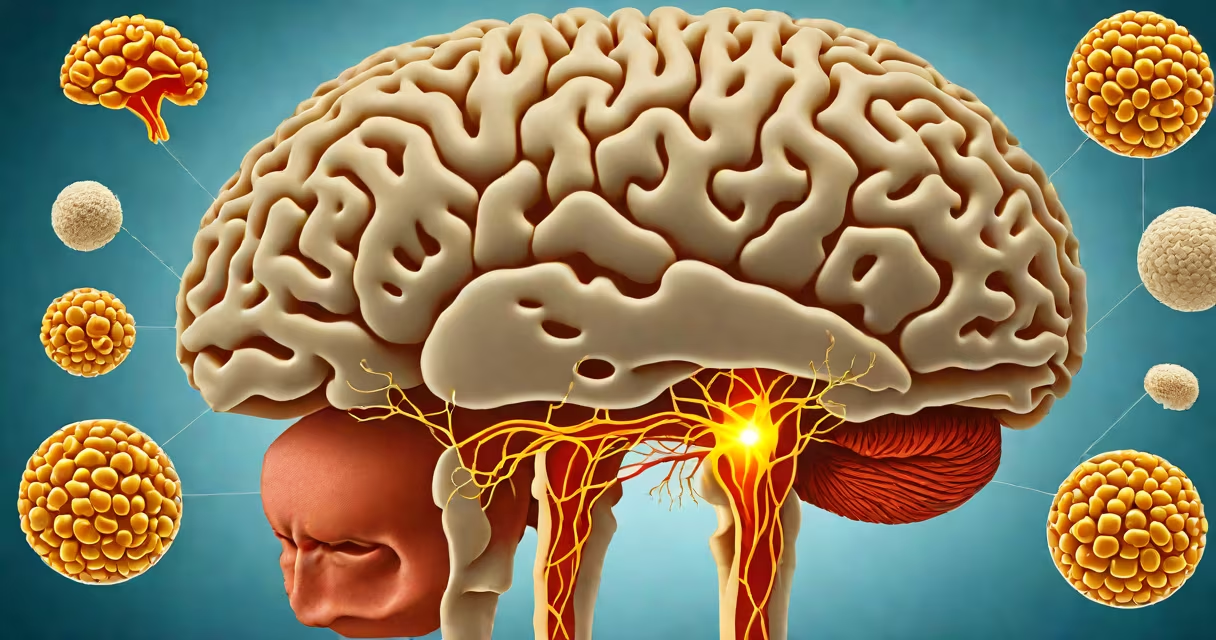
Aseptic meningitis is inflammation of the meninges-the protective layers covering the brain and spinal cord-caused by non-bacterial agents, most often viruses. It is diagnosed when cerebrospinal fluid shows elevated white blood cells and normal glucose levels, ruling out bacterial infection.
Unlike bacterial meningitis, which requires immediate IV antibiotics, aseptic meningitis typically resolves on its own within 7 to 10 days. The condition is not contagious in the same way as bacterial forms, though some viral causes spread through fecal-oral or respiratory routes.
Common triggers include enteroviruses (such as Coxsackie and echovirus), herpes simplex virus, Epstein-Barr virus, and less frequently, HIV or West Nile virus. Vaccination against measles, mumps, rubella, and polio reduces risk. Diagnosis relies on lumbar puncture and lab analysis of cerebrospinal fluid.
How It Works: The Body's Response to Viral Invasion
The meninges become inflamed when immune cells flood the cerebrospinal fluid in response to viral particles. This leads to increased pressure, irritation of nerve endings, and disrupted signaling between brain regions. Symptoms arise from this neuroinflammatory cascade.
Viruses enter the central nervous system through the bloodstream or along peripheral nerves. Once inside, they replicate in neural tissue or meningeal cells, triggering cytokine release. These chemical signals attract white blood cells, causing swelling and pain.
For example, during a summer outbreak of enterovirus D68 in the U.S., emergency departments reported a 30% increase in suspected meningitis cases among children under 12. Most were later confirmed as aseptic due to normal glucose and high lymphocyte counts in spinal fluid.
Types and Causes: What Triggers Aseptic Meningitis?
Most cases stem from viral infections. Less common causes include autoimmune disorders, medications, and rare fungal or parasitic agents. The table below outlines the most frequent etiologies:
| Primary Cause | Prevalence | Key Features |
|---|---|---|
| Enteroviruses | 70-80% | Summer/fall peak; mild fever, headache, photophobia |
| Herpes Simplex Virus (HSV-2) | 5-10% | Recurrent episodes; may affect spinal roots |
| Epstein-Barr Virus (EBV) | 5% | Often mimics mononucleosis; fatigue and swollen glands |
| Medications (e.g., NSAIDs, antibiotics) | <1% | Onset within days of drug start; reversible upon discontinuation |
Enteroviruses account for the majority of cases, especially in children. They spread via contaminated surfaces and close contact. The CDC reports approximately 10,000 annual cases in the U.S., with higher incidence in August and September.
Autoimmune aseptic meningitis is rare but occurs in conditions like systemic lupus erythematosus (SLE). In one study published in Neurology, 12% of SLE patients presented with meningitis-like symptoms, yet CSF analysis showed lymphocytic pleocytosis without pathogens.
Diagnosis and Differentiation: Why It's Not Bacterial Meningitis
Doctors distinguish aseptic meningitis from bacterial meningitis using cerebrospinal fluid (CSF) analysis. Key differences include:
- Bacterial meningitis: CSF glucose low (<40 mg/dL), protein high (>100 mg/dL), neutrophil predominance.
- Aseptic meningitis: Normal glucose, moderately elevated protein, lymphocyte dominance.
Lumbar puncture remains the gold standard. A 2021 review in JAMA Neurology found that misdiagnosing aseptic meningitis as bacterial led to unnecessary antibiotic use in 22% of cases, increasing resistance risks and hospital costs.
One patient I saw in clinic had a 3-day history of fever, neck stiffness, and confusion. Initial suspicion was bacterial meningitis. Lumbar puncture revealed 120 white cells/mm³ (mostly lymphocytes), glucose 62 mg/dL, and negative cultures. Enterovirus RNA was detected via PCR. He recovered fully in eight days with rest and hydration.
Common Misconceptions and Clinical Pitfalls
Many assume aseptic meningitis is always benign. While most cases resolve without treatment, complications can occur. Post-viral encephalitis, seizures, or prolonged fatigue affect about 5% of patients, particularly those with HSV-1 or EBV.
Another misconception: that all viral meningitis is aseptic. Some bacterial infections-like tuberculosis or fungal meningitis-can mimic aseptic presentation. These require specific stains and cultures. The World Health Organization notes that in endemic areas, tuberculous meningitis accounts for up to 15% of cases initially labeled "aseptic."
Also, aseptic meningitis can recur. In one documented case, a man developed meningitis twice in six months. Brain MRI showed transient hyperintensity in the basal ganglia. After testing, he was found to have a genetic mutation affecting interferon signaling-highlighting that rare immune defects can cause recurrent episodes.
When to Seek Care and Recovery Expectations
Seek medical attention if you develop sudden onset of severe headache, fever, stiff neck, or altered mental status. These signs indicate possible central nervous system involvement. Emergency evaluation is needed if vomiting persists, seizures occur, or consciousness fades.
Most patients recover fully within 1-2 weeks. Treatment focuses on symptom relief: acetaminophen for fever and headache, fluids to prevent dehydration, and rest. Antivirals are reserved for herpes-related cases.
Long-term outcomes are excellent. A 2020 cohort study in Annals of Internal Medicine followed 312 adults with confirmed aseptic meningitis. After one year, 98% returned to baseline function. Only 2% reported lingering cognitive issues, mostly related to pre-existing conditions.
Understanding what is aseptic meningitis helps reduce anxiety and ensures timely care. It is not a bacterial threat, but it still demands accurate diagnosis and monitoring. Early recognition prevents mismanagement and supports recovery.