
What Is Long Covid Symptoms
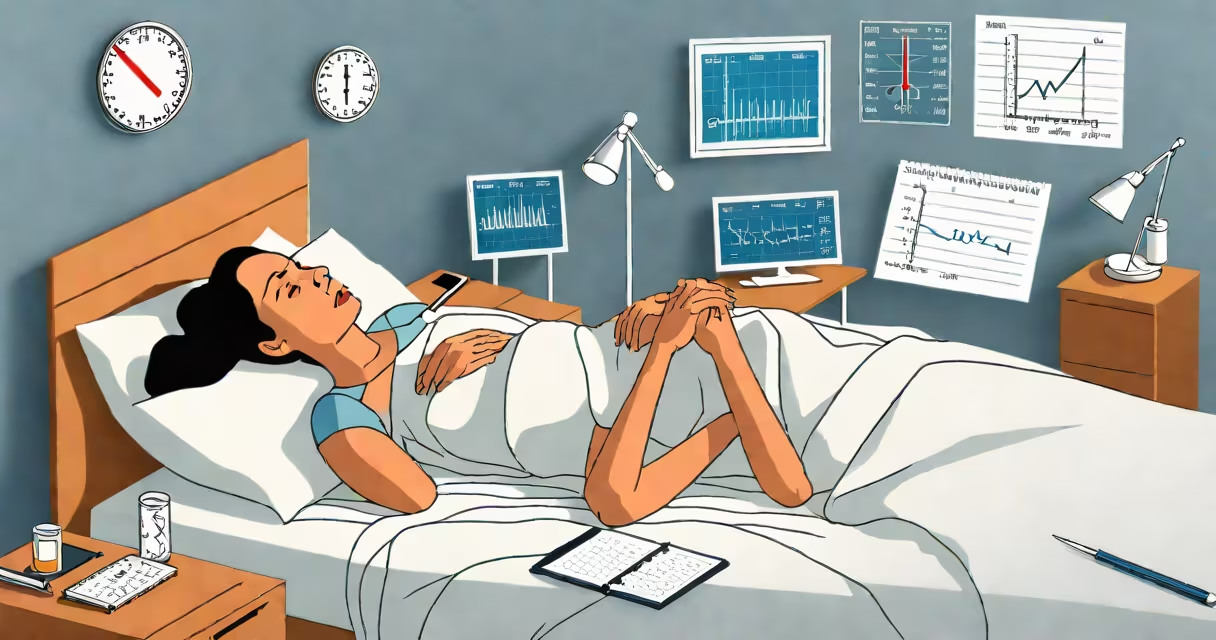
Long covid symptoms are health issues that last or develop four or more weeks after a confirmed or suspected SARS-CoV-2 infection. They include fatigue, cognitive difficulties, shortness of breath, and joint pain, and may appear even after mild initial illness. These symptoms are not simply lingering effects of acute infection but represent a distinct clinical condition.
Long covid symptoms are not a single illness but a collection of persistent problems affecting multiple organ systems. The World Health Organization defines them as lasting beyond 12 weeks and not explained by an alternative diagnosis. Symptoms often emerge during or shortly after recovery from the initial viral phase, though some people report onset weeks later.
According to the Centers for Disease Control and Prevention (CDC), about 1 in 10 adults in the U.S. report experiencing long covid symptoms after infection. This includes individuals who had no hospitalization or severe illness initially. The condition affects people across age groups, though risk increases with older age, female sex, and pre-existing conditions such as diabetes or autoimmune disorders.
How Long Covid Symptoms Develop
The exact biological mechanism behind long covid remains under investigation. Researchers suspect it involves immune system dysregulation, viral persistence in tissues, and microvascular damage. Some patients show evidence of lingering viral RNA in gut tissue months after recovery, suggesting the virus may not fully clear from the body.
A 2023 study published in Nature Medicine found that patients with long covid had elevated levels of inflammatory markers and autoantibodies-proteins that mistakenly attack the body's own tissues. These findings suggest the immune system may remain activated long after the virus is gone, leading to ongoing inflammation and tissue damage.
Neurological symptoms such as brain fog, memory lapses, and difficulty concentrating are among the most reported. A UK-based cohort study tracking over 10,000 recovered patients found that 37% experienced cognitive impairment six months post-infection, with performance levels comparable to those seen in early-stage dementia.
Common Types of Long Covid Symptoms
Long covid symptoms vary widely but fall into several categories based on affected systems. The following table outlines the most frequently reported symptoms and their prevalence among adult survivors.
| Symptom Category | Specific Symptoms | Prevalence (≥30%) |
|---|---|---|
| Fatigue | Extreme exhaustion, lack of energy, post-exertional malaise | 60% |
| Cognitive | Brain fog, poor concentration, memory loss | 55% |
| Respiratory | Shortness of breath, chest tightness | 45% |
| Cardiovascular | Palpitations, orthostatic intolerance (dizziness when standing) | 35% |
| Musculoskeletal | Joint pain, muscle weakness | 30% |
Post-exertional symptom exacerbation-where activity triggers a worsening of fatigue or cognitive issues-is a sign feature. Patients often describe a "crash" lasting hours to days after minimal exertion. This pattern differs from typical fatigue and supports a neurological or metabolic basis rather than psychological stress.
What Long Covid Symptoms Are Not
Long covid symptoms are not the same as chronic fatigue syndrome (CFS), although overlap exists. While both involve prolonged fatigue and cognitive dysfunction, CFS typically develops after viral infections like Epstein-Barr, not specifically SARS-CoV-2. Long covid also includes unique features such as taste and smell disturbances, which are rare in CFS.
Another common misconception is that long covid only affects severely ill patients. In reality, 30% of people hospitalized with mild or moderate acute illness still report symptoms after 12 weeks. A 2022 study in JAMA Internal Medicine showed that 1 in 5 people with asymptomatic or mild initial infection developed long covid symptoms within six months.
Some patients mistake persistent cough or anxiety for long covid. However, the CDC emphasizes that symptoms must be new, persistent, and not better explained by another condition. For example, a patient with pre-existing asthma whose symptoms worsen after infection should be evaluated for asthma flare-ups, not labeled long covid.
Real-World Example: A Patient's Experience
I treated a 38-year-old woman with no prior health issues who contracted SARS-CoV-2 in March 2022. She had mild symptoms-fever for two days, sore throat-but recovered fully by day five. Four weeks later, she reported extreme fatigue, inability to focus at work, and shortness of breath walking up stairs. Her oxygen saturation dropped from 98% to 92% during a walk test.
She underwent a full evaluation: blood tests showed normal CBC and inflammatory markers, but a tilt table test revealed orthostatic intolerance. Brain MRI was unremarkable, but a functional MRI showed reduced connectivity in attention networks. After three months of graded exercise therapy and cognitive rehabilitation, her symptoms improved by 60%. This case illustrates how long covid can manifest in otherwise healthy individuals.
Recovery and Management
There is no single treatment for long covid symptoms. Management focuses on symptom relief and gradual rehabilitation. The National Institutes of Health recommends a multidisciplinary approach involving primary care, neurology, cardiology, and mental health support.
For fatigue, pacing-limiting activity to avoid crashes-is key. Cognitive symptoms respond to structured mental exercises and sleep hygiene. Some patients benefit from low-dose medications like amantadine or modafinil, though evidence remains limited. A 2023 trial found that 40% of participants receiving a tailored rehabilitation program reported significant improvement in daily function at six months.
Key Takeaway
Long covid symptoms are not a minor extension of acute illness. They are clinically significant, biologically grounded conditions that affect millions worldwide. Early recognition and access to care improve outcomes. If symptoms persist beyond four weeks after infection, consult a healthcare provider familiar with post-viral syndromes.
Understanding what is long covid symptoms helps reduce stigma and guides effective treatment. Research continues to clarify mechanisms and identify biomarkers. Until then, accurate diagnosis and personalized management remain essential.