
What Could Cause Hives on Face
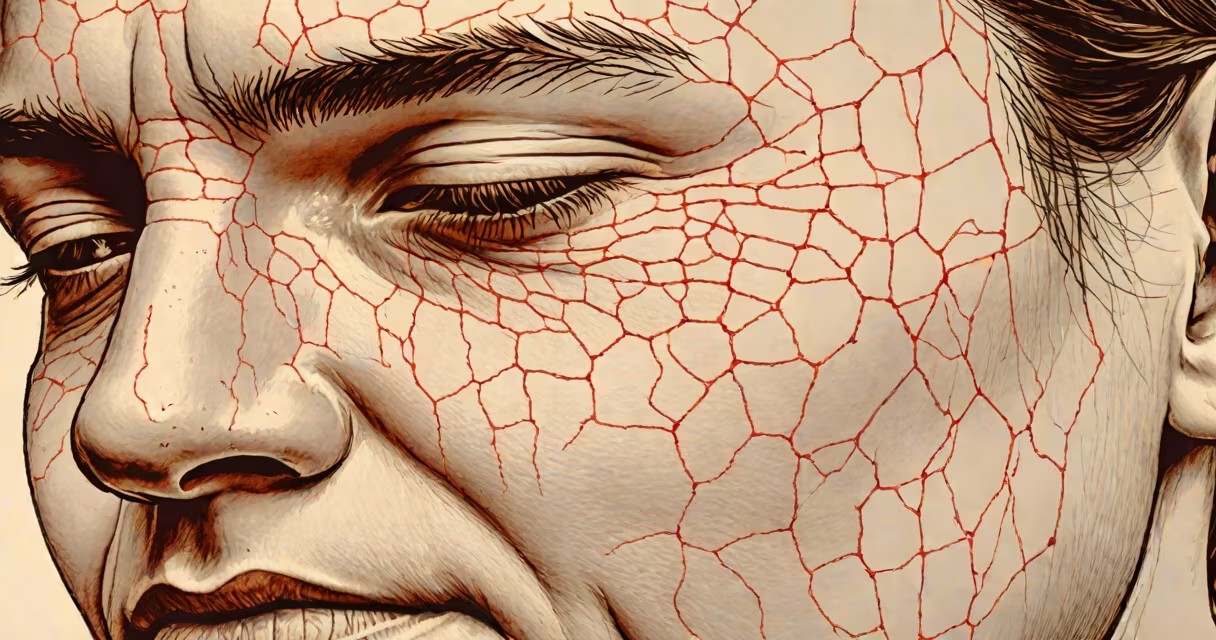
Hives on the face appear as raised, red, itchy welts that develop rapidly and often disappear within hours. They result from histamine release during an immune response triggered by allergens, infections, or stress. The condition is medically known as urticaria and affects about 20% of people at some point in life.
Face hives typically emerge on the cheeks, forehead, or around the eyes. They may swell quickly, especially near the eyelids or lips, leading to discomfort or difficulty seeing. Unlike rashes from eczema or psoriasis, hives are transient and move or fade within 24 hours. Their sudden onset signals an underlying trigger rather than a chronic skin disorder.
While most cases resolve without treatment, persistent or recurring facial hives require evaluation. The American Academy of Allergy, Asthma & Immunology (AAAAI) notes that acute hives last less than six weeks, while chronic cases persist beyond that period and may indicate autoimmune involvement.
How Facial Hives Develop
Hives form when mast cells in the skin release histamine in response to a perceived threat. This chemical causes blood vessels to leak fluid into surrounding tissue, resulting in swelling and redness. The process begins within minutes of exposure to a trigger and peaks within 1-2 hours.
The face has a high density of blood vessels and nerve endings, making it especially reactive. Swelling in the eyelids or lips can occur even with mild reactions. A 2021 study published in JAMA Dermatology found that facial hives were reported in 68% of patients with acute urticaria, compared to 42% in those with generalized hives.
Not all hives are allergic. Non-allergic triggers such as heat, cold, pressure, or emotional stress can activate mast cells through different pathways. These are called physical urticarias and account for about 10-15% of cases, according to the National Institute of Allergy and Infectious Diseases (NIAID).
Common Causes and Triggers
Food allergies are among the most frequent causes of facial hives. Peanuts, shellfish, eggs, and tree nuts rank highest in triggering acute reactions. A 2020 CDC report identified peanuts as the leading cause of anaphylaxis in children, with facial swelling occurring in 73% of severe cases.
Medications also frequently cause hives. Antibiotics like penicillin and sulfa drugs, NSAIDs such as ibuprofen, and certain blood pressure medications are well-documented culprits. The FDA warns that drug-induced hives can appear within hours of ingestion and may progress to angioedema-deep swelling beneath the skin.
Infections, particularly viral illnesses, are another major cause. Epstein-Barr virus, hepatitis B, and Helicobacter pylori have been linked to both acute and chronic hives. A 2019 study in Frontiers in Immunology found that 34% of patients with chronic urticaria tested positive for H. pylori, and eradication therapy led to symptom resolution in 61% of those patients.
Autoimmune conditions underlie many chronic cases. The body produces antibodies against its own IgE receptors or thyroid proteins, leading to ongoing mast cell activation. The NIAID estimates that 30% of chronic urticaria cases involve autoimmunity, often diagnosed via specific antibody tests.
| Trigger Type | Examples | Onset Time | Prevalence |
|---|---|---|---|
| Allergen | Peanuts, shellfish, latex | Minutes to 1 hour | 40-50% of acute cases |
| Medication | Penicillin, ibuprofen, ACE inhibitors | 1-6 hours | 15-20% |
| Infection | EBV, H. pylori, Hepatitis B | Hours to days | 10-15% of chronic cases |
| Physical Stimuli | Heat, cold, pressure, sunlight | Seconds to minutes | 10-15% |
| Autoimmune | Anti-IgE antibodies, thyroid disease | Variable, often recurrent | 30% of chronic cases |
What It's Commonly Confused With
Facial hives are often mistaken for contact dermatitis or rosacea. Contact dermatitis presents as red, scaly patches after touching irritants like cosmetics or metals. Rosacea features persistent redness, visible blood vessels, and sometimes small bumps-not the sudden, shifting welts of hives.
A key difference lies in duration and distribution. Hives appear and vanish within hours, often moving locations. Dermatitis remains in one area and worsens over time. Hives also tend to cluster on the forehead and cheeks, while rosacea favors the central face and nose.
Another misdiagnosis involves angioedema. While hives affect the surface layers, angioedema swells deeper tissues-around the eyes, lips, or tongue. It can obstruct airways. The AAAAI states that 40% of patients with facial hives also experience angioedema, but only 10% recognize the risk until symptoms worsen.
When to Seek Medical Care
Facial hives accompanied by breathing difficulty, swelling of the mouth or throat, dizziness, or confusion require immediate emergency attention. These signs indicate anaphylaxis-a life-threatening reaction requiring epinephrine.
For recurring or persistent hives, see a board-certified allergist or dermatologist. A detailed history, including diet, medications, recent illness, and stress levels, helps identify patterns. Blood tests for thyroid antibodies and H. pylori screening are standard in chronic cases.
I once treated a patient whose facial hives returned weekly for three months. Routine allergy testing was negative. After testing for H. pylori, we found a positive result. Eradicating the infection resolved symptoms within four weeks. This case illustrates that not all hives stem from obvious allergens.
Chronic hives may require antihistamines, leukotriene inhibitors, or biologic therapies like omalizumab. The Journal of Allergy and Clinical Immunology reports that 70% of patients achieve remission with targeted treatment, though relapse occurs in 25% within a year.
Understanding what could cause hives on face involves tracking triggers, recognizing warning signs, and seeking timely care. Persistent facial hives are not normal and should not be ignored. Early diagnosis improves outcomes and reduces unnecessary medication use.