
What Are Symptoms of Colon Problems
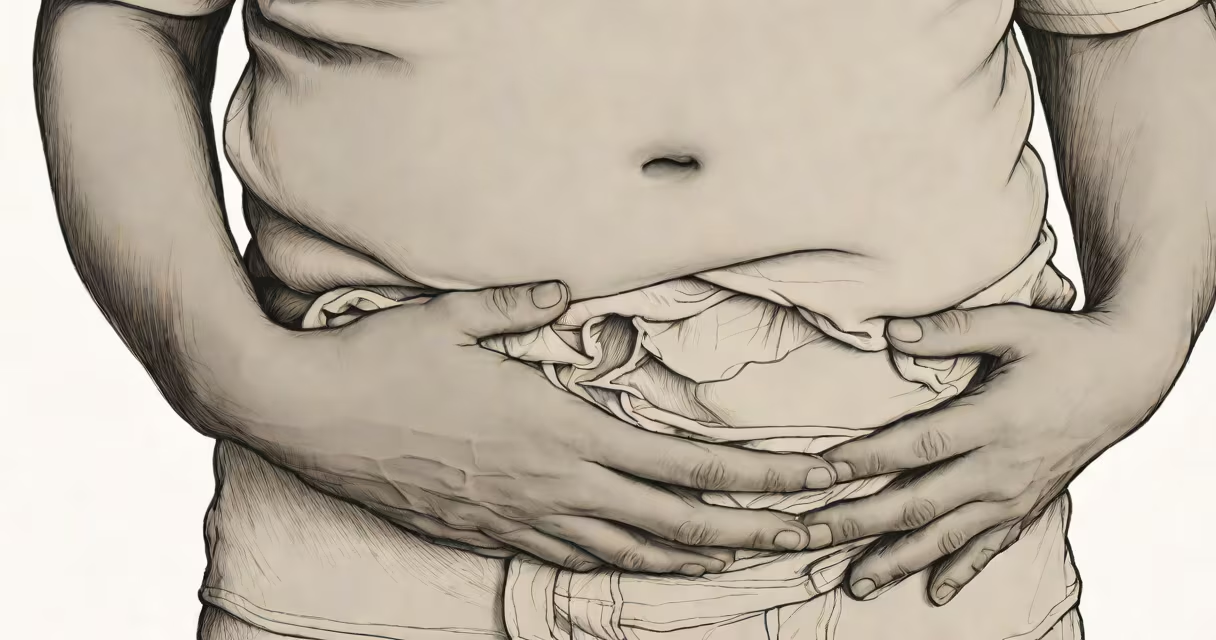
Symptoms of colon problems include persistent abdominal pain, changes in bowel habits such as diarrhea or constipation lasting more than a few days, rectal bleeding, unexplained weight loss, and fatigue. These signs may indicate conditions ranging from irritable bowel syndrome to colorectal cancer.
The colon, also known as the large intestine, processes waste and absorbs water. When it malfunctions, symptoms often reflect disruptions in digestion, absorption, or elimination. Early detection through symptom awareness improves treatment success rates.
According to the American Cancer Society, colorectal cancer is the third most common cancer in the U.S., with over 150,000 new cases diagnosed annually. Many cases begin with subtle changes in bowel function that go unnoticed for months.
How Colon Problems Present
Colon issues arise when inflammation, obstruction, tumors, or motility disorders interfere with normal function. The most common presentations involve bowel habit changes, abdominal discomfort, and visible signs like blood in stool.
For example, a 52-year-old man reported alternating diarrhea and constipation for six weeks, along with a 10-pound weight loss over three months. A colonoscopy revealed a 3.5 cm tumor in the sigmoid colon. He was diagnosed with stage II colorectal cancer. His symptoms were initially dismissed as stress-related.
Chronic constipation may stem from slow transit time, pelvic floor dysfunction, or medication side effects. Diarrhea lasting longer than four weeks suggests inflammatory bowel disease (IBD), infection, or malabsorption. Blood in stool-whether bright red or dark-is never normal and requires evaluation.
Types of Colon Symptoms and Their Causes
Not all colon symptoms point to serious disease. However, distinguishing between benign and concerning causes is critical.
| Symptom | Common Causes | Red Flags |
|---|---|---|
| Abdominal pain | IBS, diverticulitis, gas | Pain localized to lower left quadrant, fever, vomiting |
| Blood in stool | Hemorrhoids, anal fissures, polyps | Dark or maroon stools, family history of colon cancer |
| Change in bowel habits | Diet, stress, antibiotics | Duration > 4 weeks, alternating diarrhea/constipation |
| Unintended weight loss | Cancer, celiac disease, chronic infection | More than 10 pounds in 6 months without effort |
One key distinction often missed: hemorrhoids cause bright red blood on toilet paper or in the bowl, while internal colon lesions produce darker, tarry stools due to oxidation of blood during transit.
Diverticulosis-small pouches in the colon wall-can lead to diverticulitis, causing sharp left-sided pain, fever, and nausea. A CT scan confirmed acute diverticulitis in a 68-year-old woman who had ignored mild cramping for two weeks. She required hospitalization and IV antibiotics.
When Symptoms Signal Serious Conditions
While many colon symptoms are temporary and linked to diet or minor infections, certain patterns demand medical attention. The National Institute of Diabetes and Digestive and Kidney Diseases (NIDDK) states that persistent changes in bowel habits, especially in adults over 50, should prompt screening.
Rectal bleeding is a frequent concern. Hemorrhoids account for about 45% of cases, but colon cancer causes approximately 15%. A study published in Gastroenterology found that 30% of patients with colorectal cancer initially presented with rectal bleeding misattributed to hemorrhoids.
Another overlooked sign is fatigue. Iron deficiency anemia from chronic blood loss can develop silently. A 49-year-old woman experienced tiredness for nine months before a colonoscopy detected a 2 cm adenoma in the ascending colon. Her hemoglobin was 9.2 g/dL-below normal.
I've personally seen a patient who attributed daily bloating and gas to food intolerances. After months of dietary restriction, he underwent a colonoscopy. A large polyp was removed, later confirmed as precancerous. He had no pain or bleeding-just discomfort.
Common Misconceptions and Mistakes
Many people assume that all abdominal pain is stomach-related. But colon issues often mimic gallbladder or kidney problems. For example, left lower quadrant pain from diverticulitis can feel like a pulled muscle or kidney stone.
Another error: dismissing blood in stool as hemorrhoids. This leads to delayed diagnosis. The American Society of Gastrointestinal Endoscopy recommends colonoscopy for anyone over 45 with new-onset rectal bleeding-even if it's minimal.
Some believe that constipation only results from low fiber intake. While diet plays a role, chronic constipation can signal neurological disorders like Hirschsprung's disease or metabolic issues such as hypothyroidism. A 38-year-old man with long-term constipation was later diagnosed with hypothyroidism after standard GI workup showed no structural abnormalities.
Next Steps and Screening
If you experience any of the following for more than two weeks: persistent abdominal pain, unexplained weight loss, blood in stool, or significant changes in bowel habits, consult a healthcare provider. Early screening reduces mortality.
Screening options include fecal immunochemical tests (FIT), which detect hidden blood, and colonoscopy, which allows direct visualization and polyp removal. The U.S. Preventive Services Task Force recommends screening starting at age 45 for average-risk individuals.
Ignoring symptoms increases the risk of advanced disease. A 2022 study in JAMA Oncology found that patients who delayed colonoscopy for over six months after symptom onset had a 30% higher chance of metastatic cancer at diagnosis.