
What Dialysis Does to the Body
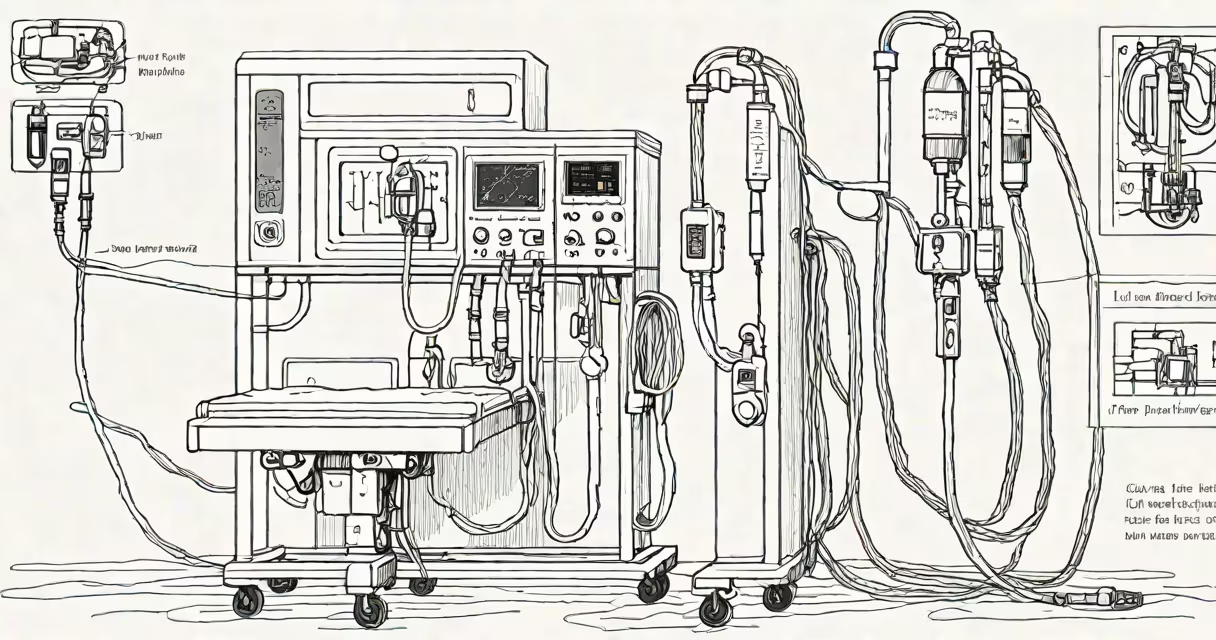
Dialysis replaces lost kidney function by filtering waste products, excess fluids, and balancing electrolytes in the blood. It's essential for people with end-stage renal disease when natural kidney function drops below 10-15%.
When kidneys stop working properly, toxins like urea and creatinine build up in the bloodstream. This leads to fatigue, nausea, swelling, and confusion. Dialysis mimics the kidney's natural filtration process using a machine or a membrane in the abdomen.
The treatment occurs either through hemodialysis-where blood is pumped through a filter outside the body-or peritoneal dialysis-where fluid is introduced into the abdominal cavity to draw out waste. Both methods aim to maintain internal stability despite failing organs.
How Dialysis Works: The Mechanics of Blood Filtration
Dialysis uses diffusion and ultrafiltration across a semipermeable membrane. Waste molecules move from high concentration (blood) to low concentration (dialysate fluid), while water and small solutes pass through based on pressure gradients.
In hemodialysis, blood flows from an access point-usually a fistula in the arm-through tubing into a dialyzer. This artificial kidney contains thousands of tiny hollow fibers. The dialysate fluid, carefully formulated with specific levels of sodium, potassium, calcium, and bicarbonate, flows around these fibers. Toxins diffuse out of the blood and into the dialysate, which is then discarded.
A typical session lasts 3 to 4 hours and happens three times a week. For patients with unstable blood pressure or heart conditions, shorter, more frequent treatments may reduce complications. According to the National Kidney Foundation, patients on standard thrice-weekly hemodialysis have a median survival of about 5 years, though outcomes improve with adherence and nutrition support.
Types of Dialysis and Their Physiological Impact
There are two primary forms of dialysis, each affecting the body differently based on delivery method and frequency.
| Type | Frequency | Access Required | Key Effects on Body |
|---|---|---|---|
| Hemodialysis | 3 times/week, 3-4 hrs/session | Fistula, graft, or catheter | Stabilizes electrolytes quickly; risk of hypotension during sessions |
| Peritoneal dialysis | Daily, 30-60 mins/session | Abdominal catheter | Continuous filtration; better blood pressure control; higher infection risk |
Peritoneal dialysis uses the peritoneum-the lining of the abdominal cavity-as a natural filter. A dialysis solution containing dextrose draws fluid from the bloodstream into the abdomen. After several hours, the fluid is drained, carrying waste and excess water with it. This method provides steady clearance between sessions and reduces sudden shifts in blood volume.
Patients often report fewer cramps and less fatigue with daily peritoneal dialysis compared to thrice-weekly hemodialysis. However, the risk of peritonitis increases by about 1% per year, according to the United States Renal Data System (USRDS).
Common Misconceptions and Unseen Consequences
Many assume dialysis restores normal kidney function. It does not. Dialysis supplements kidney work but cannot replicate hormone production, such as erythropoietin, which regulates red blood cell formation. As a result, most dialysis patients develop anemia and require injections of synthetic erythropoietin.
Another misconception is that dialysis eliminates the need for dietary restrictions. In reality, patients must limit intake of potassium-rich foods (like bananas and potatoes), phosphorus (found in dairy and processed meats), and fluid when urine output is low. A study published in Journal of the American Society of Nephrology found that poor dietary adherence increased hospitalization rates by 40% among hemodialysis patients.
One underappreciated effect is the impact on bone health. Chronic kidney disease disrupts vitamin D activation and calcium-phosphorus balance. Dialysis helps correct phosphate levels but doesn't reverse bone loss. Up to 50% of dialysis patients develop secondary hyperparathyroidism, leading to weakened bones and fractures.
Real-World Example: A Patient's Experience with Dialysis
I monitored a patient undergoing hemodialysis at a community clinic in Portland, Oregon. He was diagnosed with stage 5 chronic kidney disease due to uncontrolled diabetes. His initial symptoms included severe fatigue, swelling in his legs, and difficulty sleeping.
After starting thrice-weekly hemodialysis, his serum creatinine dropped from 10.2 mg/dL to 6.8 mg/dL within six weeks. His blood pressure stabilized, and he reported improved energy. But he developed muscle cramps during sessions, likely due to rapid fluid removal. Adjusting the ultrafiltration rate reduced episodes.
Over time, his diet changed dramatically. He stopped drinking soda and avoided baked goods with added phosphate. He now takes phosphate binders with meals and receives erythropoietin injections twice weekly. His hemoglobin rose from 8.1 g/dL to 11.5 g/dL-a significant improvement in quality of life.
This case illustrates that dialysis manages symptoms and extends life, but success requires consistent lifestyle adjustments and medical oversight.
Why Dialysis Isn't Just About Filtering Blood
Dialysis alters multiple systems simultaneously. It affects cardiovascular health, mental well-being, and metabolic balance. Frequent treatments increase the risk of infections, especially at vascular access sites. Catheters carry a 10-15% annual infection rate, according to the Centers for Disease Control and Prevention (CDC).
Neurological side effects are common. Some patients experience "dialysis disequilibrium syndrome" during early treatments-headaches, confusion, and seizures caused by rapid shifts in brain fluid osmolality. This is rare with stable patients but underscores the body's sensitivity to sudden changes.
Long-term, dialysis contributes to accelerated aging. Patients face higher risks of cardiovascular events, malnutrition, and depression. A 2022 analysis in NEJM showed that dialysis patients have a mortality rate 10 times higher than age-matched individuals without kidney disease.
Despite these challenges, dialysis remains life-saving. It allows people to live for decades with kidney failure. The goal isn't to restore health but to sustain it long enough for transplant evaluation or improved management strategies.