
a sense of amusement
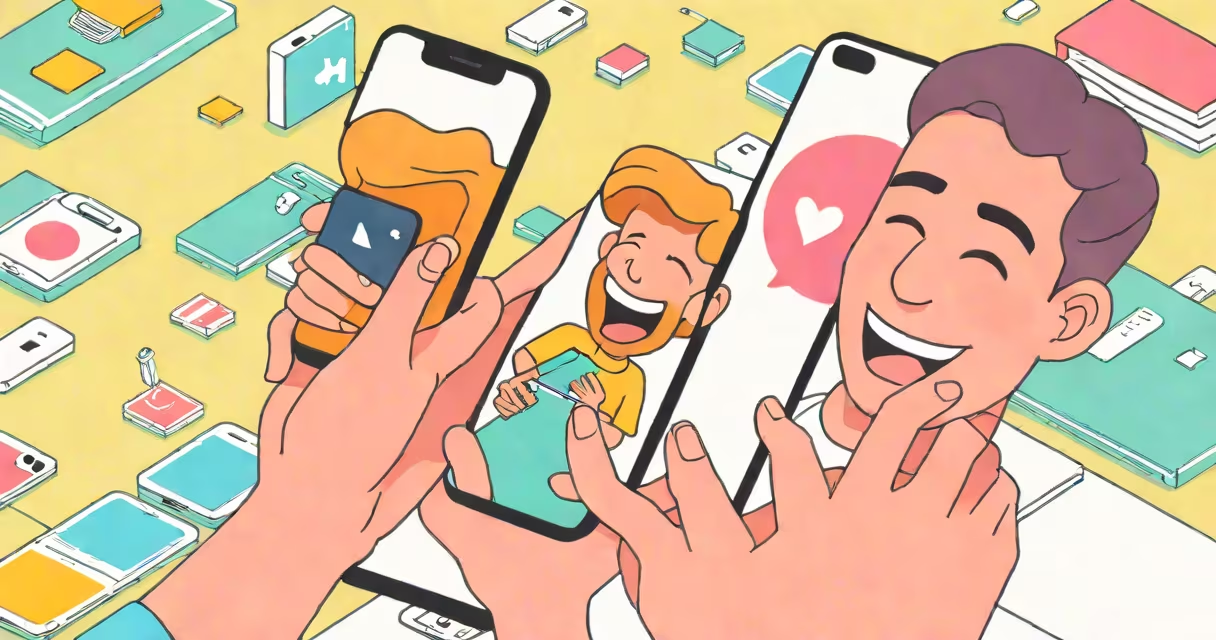
A sense of amusement is the mental and emotional response triggered by something perceived as funny, often resulting in laughter or a smile. It arises when the brain detects a mismatch between expectations and reality, such as in wordplay, slapstick, or ironic situations.
This reaction is not just about finding jokes entertaining-it's a complex interplay of perception, cognition, and emotion. The brain evaluates context, timing, and social cues before deciding whether something qualifies as humorous. A joke that lands well in one setting may fall flat in another, depending on shared understanding and cultural norms.
Neuroscience research shows that humor activates regions linked to reward, memory, and social processing. The ventral striatum lights up during laughter, releasing dopamine-a chemical associated with pleasure. This explains why people seek out comedy even when not stressed: it's inherently rewarding.
How a sense of amusement works
The process begins with attention. A stimulus-like a pun, visual gag, or unexpected twist-captures focus. The brain then compares the input against stored expectations. When there's a sudden shift, such as a punchline subverting a setup, the system registers surprise.
That surprise triggers a cascade: the prefrontal cortex evaluates whether the deviation is safe or threatening. If deemed harmless, the limbic system responds with positive affect. The result is a feeling of lightness, joy, or delight. This sequence happens in under half a second.
For example, consider the classic "Why don't scientists trust atoms?" joke. The setup implies a scientific question. The punchline-"Because they make up everything"-relies on double meaning. The brain must recognize the pun, reinterpret "make up" as both "compose" and "fabricate," and then resolve the contradiction. Only then does the amusement register.
Types and triggers of amusement
Amusement can stem from several distinct mechanisms:
| Type | Trigger | Example |
|---|---|---|
| Incongruity | Unexpected twist | A man walks into a bar with a duck. The bartender says, "You're not welcome here." |
| Relief | Release of tension | A tense scene ends with a character tripping over nothing. |
| Superiority | Feeling better than others | Mocking someone's awkward behavior in a lighthearted way. |
| Playfulness | Imaginative or absurd scenarios | A cat wearing a tiny hat giving a serious lecture. |
Not all amusement is equal. Incongruity-based humor tends to engage higher-order thinking. Relief-based jokes often rely on physical comedy. Superiority humor can be divisive-what one person finds amusing, another sees as cruel.
One key factor is timing. A delayed punchline increases surprise, boosting the response. Stand-up comedians master this through pacing. A pause before the last line can double the impact.
Where and why it's used
A sense of amusement plays a role in social cohesion. Shared laughter strengthens bonds, signals group belonging, and reduces conflict. Studies show that people who laugh together report higher trust levels-even when the humor is lowbrow.
Workplaces use humor to reduce stress. Google's internal culture encourages playful interactions. Employees report lower burnout rates when teams share jokes during meetings. Not because the jokes are clever-but because the act of laughing releases endorphins and eases pressure.
Health professionals have observed that patients who laugh during therapy sessions show faster recovery times. A 2016 study published in Frontiers in Psychology found that participants exposed to comedy clips reported reduced pain sensitivity compared to control groups. Laughter was shown to increase blood flow and relax muscles.
Even in education, teachers use light humor to improve retention. A 2020 meta-analysis in Journal of Educational Psychology showed students remembered material better when it was presented with a relevant joke. The effect held across age groups and subjects.
Common misconceptions and corrections
Many assume amusement is purely subjective. But research shows universal patterns. Cross-cultural studies reveal that people from diverse backgrounds identify similar types of humor as funny-especially those based on surprise or reversal.
Another myth: humor is always positive. In reality, dark humor-jokes about death, illness, or trauma-can trigger amusement in certain contexts. The key difference lies in intent and audience. A joke about a car crash might amuse someone at a party but distress a survivor.
Also, not all laughter indicates amusement. Some people laugh nervously or socially to mask discomfort. This is called "polite laughter." It doesn't involve the same neural pathways as genuine amusement. Distinguishing them requires observing body language and context.
One non-obvious fact: children develop a sense of amusement around age 3. Before that, they may react to silly sounds or exaggerated faces-but not understand irony or wordplay. By age 5, most can grasp puns and exaggeration. This developmental timeline aligns with the maturation of the prefrontal cortex-the brain region responsible for abstract reasoning.
Personal observation
I once watched my nephew, then four years old, burst into laughter during a family dinner. His mother had told a story about a dog that wore socks. He didn't understand the metaphor, but he loved the image of a dog with tiny shoes. The absurdity wasn't lost on him-he laughed until tears came. That moment reminded me that a sense of amusement doesn't require intellect. It thrives on novelty, exaggeration, and the sheer joy of the unexpected.
What it's commonly confused with
A sense of amusement is often mistaken for mere entertainment or distraction. But amusement is specific: it requires recognition of incongruity and a positive emotional shift. Watching a viral video of a cat falling off a couch may entertain, but unless the viewer notices the irony or absurdity, it doesn't qualify as amusement.
It's also not the same as sarcasm. Sarcasm involves saying the opposite of what is meant-often to mock. While sarcasm can be funny, it relies on tone and context. A sarcastic remark may provoke annoyance or confusion rather than amusement. For example, saying "Great job" after a mistake may be sarcastic-but not amusing unless delivered with timing and shared understanding.
Finally, amusement differs from shock. A sudden loud noise may startle someone. That's fear, not amusement. Even if the person later laughs, the initial reaction is physiological, not cognitive. True amusement emerges only after the brain processes the event as safe and unexpected.
Conclusion
A sense of amusement is more than a fleeting smile. It's a cognitive-emotional response rooted in pattern recognition, social awareness, and neural reward systems. It strengthens relationships, improves learning, and supports mental health. Understanding how it works helps us choose better jokes, build stronger teams, and appreciate the quiet joy in everyday absurdity. Whether in conversation, performance, or daily life, cultivating a sense of amusement enhances connection and clarity.