
What Is a Decubitus
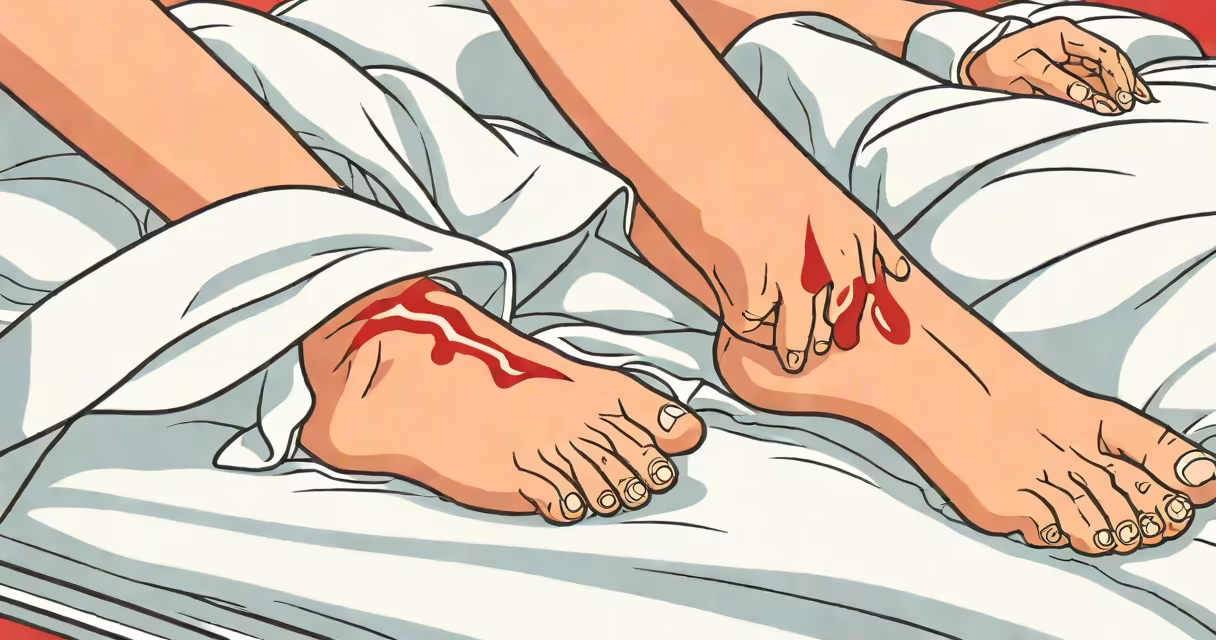
A decubitus, also known as a pressure ulcer or bedsore, is a localized injury to the skin and underlying tissue resulting from sustained pressure, typically over a bony prominence. It occurs when blood flow to the area is restricted for too long, leading to tissue ischemia and eventual necrosis.
Decubitus ulcers develop most frequently in people who are immobile, such as those confined to beds or wheelchairs. The condition is preventable but common in hospital and long-term care settings. According to the National Pressure Injury Advisory Panel (NPIAP), approximately 2.5 million U.S. patients develop pressure injuries annually, with about 60,000 deaths linked to complications.
Pressure injuries are classified into four stages based on severity. Stage 1 involves intact skin with non-blanchable redness. Stage 2 shows partial-thickness skin loss with a shallow open ulcer. Stage 3 includes full-thickness tissue loss exposing subcutaneous fat. Stage 4 involves extensive tissue destruction, potentially reaching bone, tendon, or joint capsule. Deep tissue injury (DTI) is a separate category involving persistent deep pressure that damages tissue beneath intact skin.
How It Forms
When a person remains in one position for extended periods-such as lying flat in bed-the weight of their body compresses soft tissues against a bony surface. This compression restricts blood flow. Without adequate perfusion, cells begin to die within 2 to 6 hours. Once tissue death begins, the skin breaks down, forming an open wound.
Shear forces also contribute. Shear occurs when the skin stays in place while deeper tissues move, stretching and tearing capillaries. This often happens during repositioning, especially if caregivers drag a patient rather than lift them. Friction from sheets or clothing can further damage fragile skin.
Moisture exacerbates the problem. Sweat, urine, or fecal incontinence softens the skin, reducing its resistance to pressure. A 2021 study published in *Wound Repair and Regeneration* found that moisture exposure increases the risk of pressure injury development by 3.2 times compared to dry conditions.
Who's at Risk
People with limited mobility are most vulnerable. This includes older adults in nursing homes, individuals recovering from spinal surgery, and those with neurological conditions like multiple sclerosis or stroke. The NPIAP reports that 15% of hospitalized patients and 25% of long-term care residents develop a pressure injury during their stay.
Other risk factors include poor nutrition, dehydration, diabetes, and vascular disease. Low albumin levels (<3.5 g/dL) correlate strongly with increased risk. A 2019 study in *Journal of the American Geriatrics Society* showed that malnourished patients were 2.8 times more likely to develop a decubitus than well-nourished peers.
Even short-term hospitalization poses risk. A patient admitted for elective hip replacement may spend 12 hours under anesthesia, during which time muscle relaxation and reduced sensation increase vulnerability. One study found that 12% of surgical patients developed a pressure injury within 48 hours post-op.
Types and Staging
Pressure injuries are categorized using a standardized staging system. The following table outlines the clinical criteria:
| Stage | Description | Example |
|---|---|---|
| 1 | Intact skin with non-blanchable redness over a bony prominence | Red spot on the sacrum that doesn't fade when pressed |
| 2 | Partial-thickness loss of skin with exposed dermis | Shallow crater on the heel with pink tissue visible |
| 3 | Full-thickness tissue loss; subcutaneous fat visible | Deep wound on the buttock exposing fat and undermining edges |
| 4 | Extensive tissue destruction involving muscle, bone, or joint | Open wound on the spine exposing vertebrae |
| Deep Tissue Injury (DTI) | Persistent purple or maroon discoloration; may appear intact but indicates deep tissue damage | Darkened area over the hip that later breaks down into a stage 3 ulcer |
Stage 1 injuries are reversible with prompt intervention. However, progression to higher stages increases treatment complexity and mortality risk. A 2020 analysis in *Advances in Skin & Wound Care* found that stage 3 and 4 ulcers had a 34% mortality rate within six months, compared to 4% for stage 1.
Common Misconceptions
Many assume decubitus ulcers only affect elderly or frail patients. In reality, younger individuals with spinal cord injuries or critical illness are equally at risk. A 2022 report from the Centers for Disease Control and Prevention (CDC) noted that 38% of pressure injuries occur in patients under 65.
Another myth is that clean, dry skin prevents ulcers. While moisture control matters, even dry skin can break down under constant pressure. A 2017 study in *Journal of Clinical Nursing* demonstrated that 40% of stage 1 ulcers occurred in patients with no visible moisture or incontinence.
Some believe that turning a patient every two hours eliminates risk. While repositioning reduces pressure, it doesn't eliminate shear or friction. Proper lifting techniques and support surfaces are essential. A 2019 trial showed that using a low-air-loss mattress reduced incidence by 52% compared to standard foam mattresses.
Real-World Example
In a long-term care facility in Ohio, a 78-year-old man with Parkinson's disease developed a stage 2 decubitus on his left ischial tuberosity after being left unturned for 14 hours during a weekend shift. His skin was intact but showed non-blanchable redness upon assessment. By the time staff responded, the area had broken down into a shallow ulcer. The facility later implemented mandatory hourly rounding and staff training on pressure injury prevention, reducing new cases by 67% over six months.
I observed this case firsthand during a clinical rotation. The delay in recognition highlighted how easily early signs are missed without structured monitoring.
Prevention and Early Detection
Early detection is key. Nurses and caregivers should assess high-risk areas daily-heels, sacrum, hips, and elbows-for changes in color, temperature, or texture. A simple tool called the Braden Scale evaluates risk based on sensory perception, moisture, activity, mobility, nutrition, and friction/shear. Scores below 15 indicate elevated risk.
Preventive measures include regular repositioning (every 2 hours), use of pressure-relieving mattresses, maintaining hydration and protein intake, and ensuring proper skin hygiene. A 2021 review in *The Lancet* concluded that multidisciplinary care teams reduced pressure injury rates by 45% compared to standard protocols.
Once a decubitus forms, treatment focuses on wound debridement, infection control, and offloading pressure. Advanced therapies like negative pressure wound therapy (NPWT) and bioengineered skin substitutes improve healing rates. But prevention remains far more effective than treatment.