
What Can Sickle Cell Cause
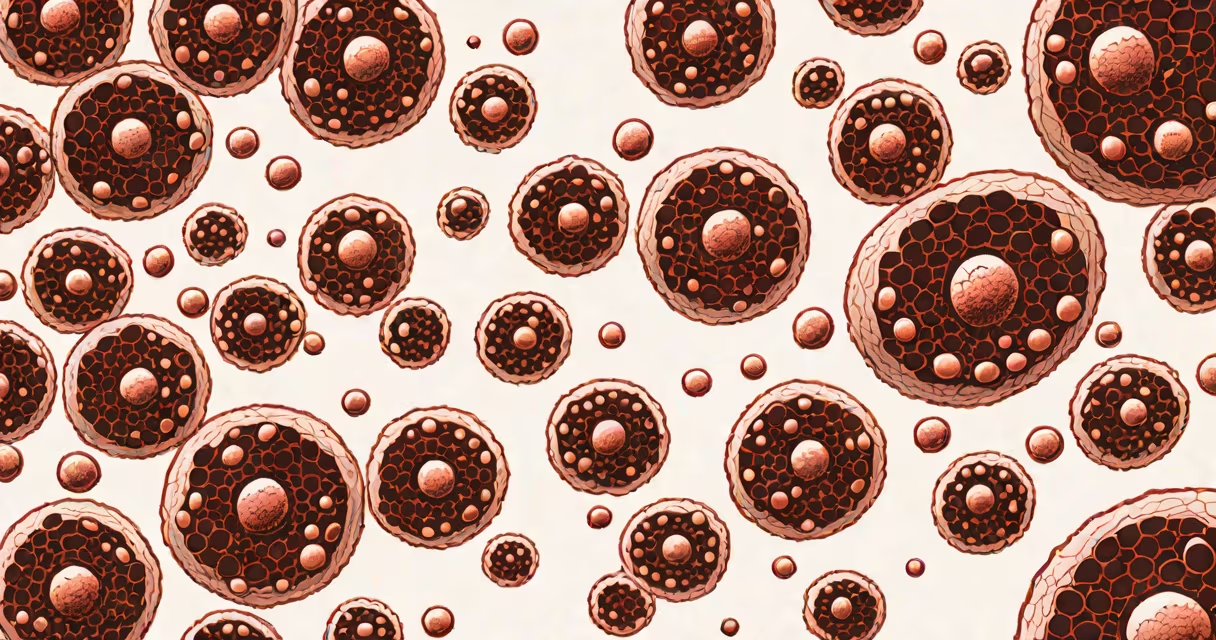
Sickle cell disease causes red blood cells to deform into rigid, crescent shapes due to abnormal hemoglobin, leading to blocked blood flow, severe pain episodes, organ damage, and increased infection risk. This occurs when a person inherits two faulty hemoglobin genes-one from each parent.
The root issue lies in a single genetic mutation in the HBB gene, which produces hemoglobin beta chains. When oxygen levels drop, the mutated hemoglobin (called hemoglobin S) clumps together, distorting red blood cells into a sickle shape. These misshapen cells don't move smoothly through small vessels and can obstruct blood flow, triggering acute complications.
According to the Centers for Disease Control and Prevention (CDC), about 1 in 365 Black or African American babies and 1 in 16,300 Hispanic American babies are born with sickle cell disease in the U.S. The condition affects millions globally, particularly in sub-Saharan Africa and parts of India.
How Sickle Cell Disease Causes Harm
When sickled cells block capillaries, tissues starve of oxygen. This triggers vaso-occlusive crises-episodes of intense, unpredictable pain lasting hours to days. Pain often strikes the chest, abdomen, joints, or bones. A 2021 study in Journal of Pain Research found that 90% of patients with sickle cell disease report recurrent pain requiring medical intervention.
Repeated blockages reduce blood supply to organs. Over time, this leads to cumulative damage. The spleen, for example, becomes ineffective early in life-by age 5, most children with sickle cell disease lose splenic function. This increases vulnerability to bacterial infections like pneumococcus, which can cause sepsis. The CDC recommends lifelong penicillin prophylaxis for children under 5 to prevent such infections.
Chronic anemia results from sickled cells breaking apart quickly. Normal red blood cells live 120 days; sickled ones survive only 10-20 days. Low hemoglobin reduces oxygen delivery, causing fatigue, shortness of breath, and delayed growth in children.
Major Complications and Organ Systems Affected
Sickle cell disease impacts multiple organs. The most common serious outcomes include:
- Stroke: About 11% of people with sickle cell disease have a stroke by age 20. Silent strokes-brain injuries without symptoms-occur in up to 30% of children with the condition, according to the National Heart, Lung, and Blood Institute (NHLBI).
- Kidney failure: Up to 50% of adults with sickle cell disease develop kidney problems by age 40. Reduced blood flow damages nephrons, impairing waste filtration.
- Lung injury: Acute chest syndrome-a life-threatening condition involving lung collapse, fever, and low oxygen-occurs in 30-50% of patients during their lifetime.
- Eye damage: Retinal blood vessel blockage can lead to vision loss. Annual eye exams are recommended starting at age 10.
- Painful crises: Episodes happen an average of 5 times per year, but some individuals experience more than 20 episodes annually.
A 2020 analysis in Blood Advances showed that patients with sickle cell disease face a 30-year life expectancy gap compared to the general population-average lifespan is around 48 years in the U.S., though advances in care are narrowing this gap.
Differentiating Sickle Cell Traits and Disorders
Sickle cell disease is not the same as sickle cell trait. People with the trait inherit only one abnormal gene and typically have no symptoms. They can pass the gene to children. However, in rare cases, extreme exertion or high altitude can trigger mild symptoms.
There are several forms of sickle cell disease:
| Type | Genetic Cause | Key Features |
|---|---|---|
| Sickle cell anemia (SS) | HbS/HbS | Most severe form; symptoms begin in infancy |
| Sickle-hemoglobin C disease (SC) | HbS/HbC | Milder than SS; fewer pain crises but higher risk of retinopathy |
| Sickle beta-thalassemia | HbS/β-thalassemia | Variable severity depending on β-globin production |
Many assume that sickle cell disease only affects Black populations. While prevalence is highest among those of African descent, it also occurs in people from Mediterranean, Middle Eastern, and South Asian backgrounds. The World Health Organization estimates 300,000 babies are born with sickle cell disease worldwide each year.
Common Misconceptions and Corrections
One widespread error is believing that sickle cell disease is contagious. It is not. It's inherited through autosomal recessive genetics. You cannot "catch" it from someone else.
Another myth is that people with sickle cell disease always appear ill. Many live active lives between crises. During stable periods, they may look healthy and function normally at work or school. Symptoms flare unpredictably-this makes management challenging.
I once observed a college student with sickle cell anemia who maintained a 3.8 GPA while managing monthly hydroxyurea doses and frequent clinic visits. He described his pain as "like someone twisting a knife in your bone," but he never missed class unless hospitalized. His story illustrates how disease burden varies widely even within the same diagnosis.
Hydroxyurea therapy reduces crisis frequency by 50% in clinical trials. It works by increasing fetal hemoglobin, which interferes with hemoglobin S polymerization. The FDA approved hydroxyurea for sickle cell disease in 1998, and it remains a first-line treatment.
Stem cell transplants offer a potential cure for eligible patients. Success rates exceed 90% in matched sibling donors, per data from the NHLBI. However, access remains limited due to donor availability and transplant risks.
Gene therapies like CRISPR-based exa-cel (formerly known as CTX0E) show promise. In a 2023 phase 3 trial published in The New England Journal of Medicine, 97% of participants achieved freedom from severe pain crises after treatment. These therapies are still experimental but represent a turning point in long-term management.
Final Summary
Understanding the full range of complications helps patients, families, and clinicians make informed decisions. With targeted treatments and emerging cures, the future for people with sickle cell disease is evolving rapidly.