
What Is a Computer System
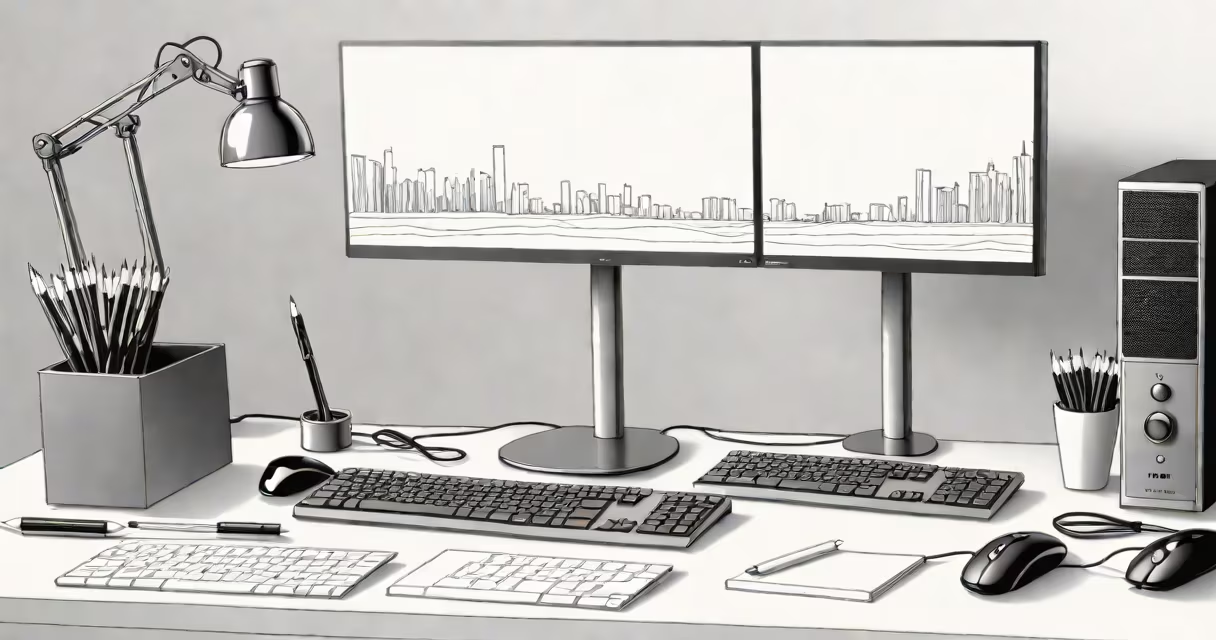
A computer system is a coordinated set of hardware, software, and data that work together to perform tasks like storing, processing, and transmitting information. It includes physical components such as processors and memory, along with programs that control operations and data structures that hold user and system information.
At its core, a computer system processes input through devices like keyboards or sensors, manipulates data using a central processing unit (CPU), stores results in memory or storage, and outputs them via screens, printers, or networks. This cycle enables everything from running a word processor to managing global financial transactions.
The term "computer system" often gets used interchangeably with "computer," but they're not the same. A single device like a laptop is a computer system. So is a server farm, a smartphone, or even a smart thermostat. The key difference lies in integration: a system combines multiple elements into a functional whole.
How a Computer System Works
Every computer system follows a basic workflow: input → processing → output → storage. When you type a document, your keystrokes are input signals sent to the CPU. The CPU interprets these signals, runs instructions from the operating system, and sends the resulting text to the screen for display.
Processing happens inside the CPU, which executes machine code instructions stored in RAM. The speed and efficiency of this step depend on clock speed, cache size, and instruction set architecture. For example, a modern Intel Core i7 processor can execute over 4 billion instructions per second.
After processing, the system outputs the result-displaying text on a monitor, playing audio through speakers, or saving the file to a hard drive. Data may also be sent over a network, such as when you upload a photo to cloud storage. All of this requires coordination between hardware, firmware, and software layers.
Components That Make Up a Computer System
A computer system consists of four essential parts: hardware, software, data, and users. Hardware includes physical devices like the motherboard, power supply, graphics card, and peripherals. Software encompasses the operating system, applications, and drivers that manage hardware behavior.
Data is the raw material processed by the system-text, images, numbers, or commands. Users interact with the system through interfaces, whether graphical (GUI), command-line (CLI), or touch-based. These elements form a closed loop: users provide input, the system processes it, and returns output.
| Component Type | Examples | Function |
|---|---|---|
| Hardware | CPU, RAM, SSD, GPU, keyboard | Physical execution of operations |
| Software | Windows 11, Linux, Chrome browser | Controls hardware, manages tasks |
| Data | Text files, databases, configuration settings | Information being processed |
| Users | Individuals, automated scripts, other systems | Provide input, receive output |
One non-obvious fact: the same physical hardware can run different systems based on software. A Raspberry Pi can act as a home media center, a retro gaming console, or a network router-all depending on the installed OS and applications.
Types of Computer Systems
Computer systems vary widely in scale and purpose. They range from embedded systems in household appliances to supercomputers used in climate modeling.
Personal computers (PCs) are designed for individual use. They typically include a CPU, motherboard, RAM, storage, and a display. Desktops, laptops, and tablets fall under this category. According to the U.S. Bureau of Labor Statistics, over 90% of American households owned at least one PC in 2023.
Server systems handle requests from multiple clients. Web servers, database servers, and file servers operate continuously to deliver services. For example, when you load a webpage, your browser connects to a web server hosting the site's code and images.
Embedded systems are specialized computer systems built into larger machines. Your car's engine control unit, a medical infusion pump, or a smart thermostat all contain embedded systems. These often run real-time operating systems (RTOS) to ensure precise timing and reliability.
High-performance computing (HPC) systems, like those used in weather forecasting or nuclear simulations, combine thousands of processors. The Frontier supercomputer at Oak Ridge National Laboratory, operational since 2023, achieves over 1 exaflop of performance-1 quintillion floating-point operations per second.
Common Misconceptions and Clarifications
Many people think a computer system is just the visible parts-the tower, monitor, and keyboard. But the system includes invisible elements like firmware, drivers, and background processes. Removing any component disrupts functionality.
Another misconception is that all computer systems require a human operator. Modern systems like autonomous vehicles or AI-driven recommendation engines operate with minimal intervention. Netflix's recommendation algorithm, for instance, analyzes viewing patterns and adjusts suggestions automatically.
There's also confusion between a computer system and a network. A network connects multiple systems. A single computer with no connection to others is still a system. But when two or more systems share resources-like files or printers-they form a networked environment.
I once built a small home automation system using a Raspberry Pi and Python scripts. It controlled lights and temperature based on sensor readings. The entire setup ran on a single board computer, yet it functioned as a complete system: input from sensors, processing via code, output to relays, and data stored locally. It proved that even modest setups qualify as computer systems.
Real-World Examples and Applications
Consider a hospital's electronic health record (EHR) system. It collects patient data from scanners, lab equipment, and doctors' notes. The system processes this data, flags anomalies, and presents summaries to clinicians. All of this happens across multiple devices and locations, yet it operates as one integrated computer system.
Another example: online banking. When you check your balance, your phone sends a request to a bank's server. The server verifies your identity, retrieves account data from a database, and sends a response. This entire exchange relies on secure protocols, encrypted communication, and redundant servers-all part of a distributed computer system.
Even smartphones are complex computer systems. An iPhone contains a custom Apple A17 chip with 16 billion transistors, runs iOS, stores photos and messages, and communicates over cellular and Wi-Fi networks. It's a portable system that handles hundreds of tasks simultaneously.
Conclusion
A computer system is not just a machine-it's a functional integration of hardware, software, data, and users working in concert. From a simple calculator app to a global internet infrastructure, the principles remain consistent. Understanding what is a computer system helps clarify how digital tools shape modern life.