
What Is RCDP Disorder
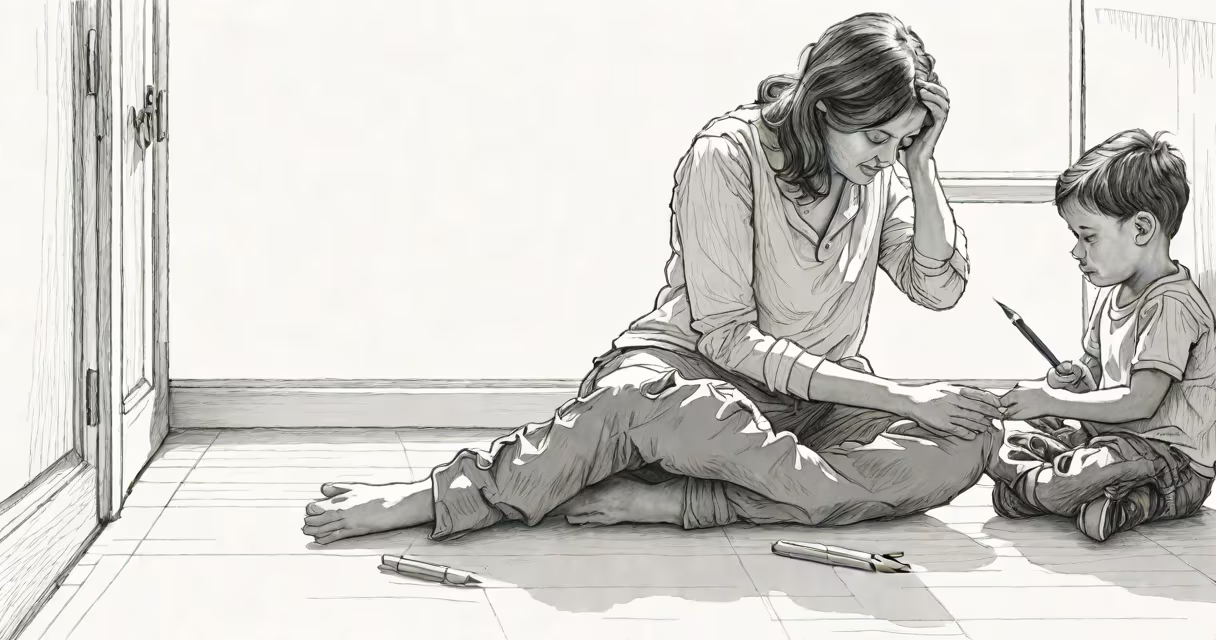
Reactive attachment disorder (RCDP disorder) is a condition in which a child fails to form healthy emotional attachments to caregivers due to persistent neglect or abuse during early development. It typically emerges before age five and involves withdrawn behavior, lack of responsiveness to comfort, and difficulty engaging socially.
RCDP disorder is not a personality quirk or a phase. It results from disrupted early relationships, often stemming from institutional care, frequent build placements, or parental unresponsiveness. The American Psychiatric Association's Diagnostic and Statistical Manual of Mental Disorders, Fifth Edition (DSM-5), classifies it under "Disorders Usually First Diagnosed in Infancy, Childhood, or Adolescence."
Children with RCDP disorder may appear emotionally detached, avoid eye contact, show little distress when separated from caregivers, or display indiscriminate friendliness toward strangers. These behaviors reflect a failure to develop secure attachment patterns critical for emotional and social development.
How RCDP Disorder Develops
Attachment begins in infancy through consistent, responsive caregiving. When a baby cries, and a caregiver responds promptly with soothing, feeding, or holding, the child learns trust and safety. This process repeats daily, building neural pathways tied to emotional regulation and relationship-building.
When caregiving is absent, inconsistent, or abusive-such as in cases of prolonged institutionalization or parental substance use-the brain doesn't receive the feedback needed to form secure attachments. The child adapts by becoming emotionally closed off or hyper-vigilant, strategies that reduce immediate distress but impair long-term relational health.
A 2019 study published in Child Development found that children adopted from orphanages in Eastern Europe showed higher rates of reactive attachment symptoms compared to those adopted from stable family environments. The longer the time spent in institutional care before adoption, the greater the risk of developing RCDP disorder.
Types and Clinical Criteria
The DSM-5 recognizes two subtypes of RCDP disorder based on behavioral presentation:
| Type | Behavioral Pattern | Diagnostic Clue |
|---|---|---|
| Inhibited Type | Emotionally withdrawn, avoids contact, shows minimal response to others | Child refuses to be comforted, avoids eye contact, rarely initiates interaction |
| Disinhibited Type | Excessive familiarity with strangers, seeks attention from unknown adults | Child climbs into strangers' laps, follows unfamiliar people, lacks appropriate boundaries |
Both types require symptoms to begin before age five and persist for at least 12 months. They must also be linked to a history of severe neglect or inconsistent caregiving. A diagnosis cannot be made if another condition-like autism spectrum disorder or intellectual disability-better explains the behavior.
RCDP disorder is not caused by genetics or temperament alone. It is rooted in environmental failure. A child born with high sensitivity may be more vulnerable, but the disorder arises from inadequate caregiving, not innate traits.
Common Misconceptions and Confusions
RCDP disorder is frequently mistaken for other conditions. It is not the same as autism, despite overlapping features like reduced eye contact or delayed speech. Children with autism often engage in repetitive behaviors and have specific interests, while those with RCDP disorder lack emotional reciprocity and show no preference for familiar adults.
It is also not the same as oppositional defiant disorder (ODD) or conduct disorder. While both involve challenging behavior, RCDP disorder stems from fear and confusion, not defiance. A child with RCDP disorder may freeze during conflict, withdraw, or become overly compliant-not aggressive or rebellious.
One common error is assuming that RCDP disorder only affects children in orphanages. In reality, it can occur in any setting where emotional needs go unmet. A child raised in a home with a parent suffering from untreated depression or addiction may develop RCDP disorder even if physical needs are met.
I once observed a 4-year-old boy in a pediatric clinic who had lived with his mother since birth. He never smiled at his mother, avoided touch, and ran to strangers when they entered the room. His mother reported he had never bonded with her, though she was physically present. After a thorough evaluation, the team diagnosed him with disinhibited RCDP disorder. The root cause wasn't abuse-it was chronic maternal depression leading to emotional absence.
Why Early Intervention Matters
Without treatment, RCDP disorder can lead to lifelong struggles with trust, intimacy, and emotional regulation. Adults with untreated RCDP disorder often report feeling disconnected, anxious in relationships, and prone to cycles of dependency and abandonment.
Therapy focused on caregiver-child interaction-such as Attachment and Biobehavioral Catch-Up (ABC)-has shown measurable improvement. A 2021 randomized controlled trial in JAMA Pediatrics demonstrated that children receiving ABC therapy showed significant increases in eye contact, vocalizations, and engagement with caregivers within six months.
Early identification is key. Pediatricians are encouraged to screen for attachment concerns during well-child visits using tools like the Attachment Q-Set. If red flags emerge-such as a child failing to respond to their name or showing no interest in caregivers-referral to a mental health specialist is essential.
Understanding RCDP disorder is not about blaming parents. It's about recognizing that healthy attachment is a biological necessity, not a luxury. When caregivers are unable to provide consistent emotional support, the child's development is compromised. But with timely, evidence-based interventions, healing is possible.