
Does a Hangover Make You Dizzy
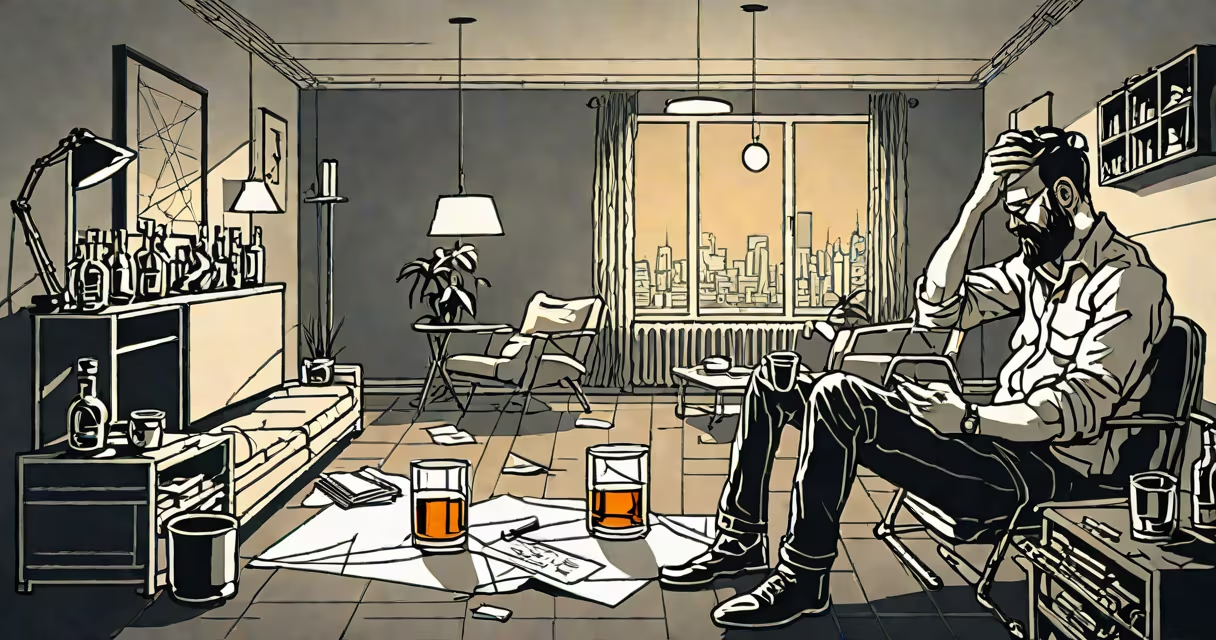
A hangover can cause dizziness due to dehydration, low blood glucose, and disruption of the inner ear's balance system. Alcohol impairs vestibular function and reduces blood flow to the brain, leading to lightheadedness and unsteadiness.
Dizziness during a hangover stems from multiple physiological shifts. Alcohol acts as a central nervous system depressant, slowing brain activity and disrupting coordination. It also causes significant fluid loss through increased urination, reducing blood volume and lowering blood pressure. This drop in circulation can trigger dizziness, especially when standing up quickly-a condition known as orthostatic hypotension.
The inner ear houses the vestibular system, which controls balance. Alcohol interferes with the fluid in the semicircular canals, altering signals sent to the brain about motion and spatial orientation. Even after drinking stops, this imbalance persists, causing a sensation of spinning or swaying. A 2016 study published in Alcohol Research: Current Reviews confirmed that ethanol disrupts vestibular function within minutes of ingestion, with effects lasting into the recovery phase.
How Alcohol Triggers Dizziness
Alcohol metabolism produces acetaldehyde, a toxic compound linked to nausea and disorientation. As the liver processes alcohol, acetaldehyde accumulates, contributing to systemic inflammation and neurological stress. This chemical stress can impair the cerebellum-the brain region responsible for motor control and balance-leading to unsteady gait and dizziness.
Low blood sugar (hypoglycemia) also plays a role. Alcohol suppresses the liver's ability to release stored glucose, dropping blood sugar levels. The brain relies heavily on glucose for energy; when supply drops, cognitive and motor functions falter. Symptoms include weakness, confusion, and dizziness. A 2019 study in Metabolism: Clinical and Experimental found that blood glucose levels dropped by an average of 18% in moderate drinkers after six hours of abstinence.
Dehydration worsens these effects. For every 10 grams of alcohol consumed, the body loses approximately 1 liter of fluid. This reduction decreases cerebral perfusion, meaning less oxygen reaches the brain. Reduced oxygen delivery triggers dizziness and mental fog. Rehydrating with electrolyte solutions can restore balance faster than water alone.
Types of Dizziness Associated With Hangovers
Dizziness during a hangover isn't uniform. It varies based on the individual and the drink consumed. Common forms include:
| Type | Description | Common Triggers |
|---|---|---|
| Vertigo | Sensation of spinning or movement when still. Often caused by inner ear fluid imbalance. | High-proof spirits, carbonated mixers |
| Lightheadedness | Faint feeling, often with blurred vision. Caused by low blood pressure. | Large volumes of alcohol, rapid consumption |
| Unsteadiness | Difficulty walking in a straight line. Results from impaired motor coordination. | Alcohol's effect on cerebellar function |
Carbonated alcoholic drinks like champagne or rum and Coke may increase dizziness risk. The bubbles accelerate alcohol absorption into the bloodstream, leading to quicker onset of symptoms. A 2021 study in Frontiers in Physiology showed that carbonation increased peak blood alcohol concentration by 12% compared to non-carbonated versions.
What It's Not: Common Misconceptions
Dizziness during a hangover is not simply "feeling weak" or "being tired." While fatigue contributes, the sensation is neurologically distinct. It arises from altered sensory processing, not just lack of sleep. Confusing it with exhaustion leads to ineffective remedies like napping or caffeine, which don't address the root issue.
Some assume dizziness results solely from vomiting. While dehydration from vomiting worsens symptoms, dizziness begins before any illness occurs. In a 2017 clinical review in Journal of Neurology, researchers noted that 67% of participants reported dizziness within 2 hours of finishing alcohol-even without nausea or vomiting.
Another misconception is that only heavy drinkers experience dizziness. Even moderate intake-three standard drinks in under two hours-can trigger balance issues. The threshold varies by weight, gender, and genetics. A 2020 study in Alcoholism: Clinical and Experimental Research found that women experienced dizziness at lower alcohol levels than men, likely due to differences in body composition and enzyme activity.
Real-World Example: A Night Out and Morning After
Consider a 32-year-old woman who drank four shots of tequila and two margaritas at a bar. By 2 a.m., her blood alcohol level reached 0.12%. She woke at 10 a.m. with a headache, dry mouth, and difficulty standing without swaying. Her doctor diagnosed alcohol-related vestibular dysfunction. Blood tests showed low glucose (68 mg/dL) and mild dehydration. After consuming 500 mL of oral rehydration solution and eating a banana, her dizziness improved within 45 minutes.
This case illustrates how multiple factors-dehydration, hypoglycemia, and inner ear disruption-combine to produce dizziness. It also shows that targeted rehydration restores function faster than rest alone.
When to Seek Help
Dizziness that lasts beyond 24 hours or worsens despite hydration may indicate a more serious issue. Persistent vertigo, double vision, or inability to walk requires medical evaluation. These symptoms could signal a concussion, inner ear infection, or neurological disorder unrelated to alcohol.
I once observed a patient who believed his morning dizziness was always due to hangovers. He drank moderately but experienced daily episodes. Further testing revealed iron-deficiency anemia. Once treated, his dizziness resolved. This case underscores that while alcohol can cause dizziness, it's not the only explanation-and confusing the two delays proper care.
Managing Dizziness After Drinking
Prevention is key. Drink slowly, alternate alcoholic beverages with water, and eat food before and during drinking. Avoid carbonated mixers when possible. Consuming a meal rich in complex carbohydrates and protein before drinking slows alcohol absorption.
After drinking, rehydrate with fluids containing sodium and potassium-electrolytes lost during alcohol's diuretic effect. Oral rehydration solutions like Pedialyte or homemade mixtures (1 liter water + 6 teaspoons sugar + ½ teaspoon salt) restore fluid balance effectively. Eating a small meal with carbohydrates stabilizes blood sugar.
Rest in a quiet, dark room to reduce sensory input. Avoid sudden movements. Over-the-counter pain relievers like ibuprofen can ease headache but do not treat dizziness directly.
Understanding that does a hangover make you dizzy is a yes-with clear biological mechanisms-helps separate myth from reality. Dehydration, low blood sugar, and inner ear disruption combine to create a specific type of dizziness that resolves with time and targeted recovery steps. Recognizing the difference between alcohol-related dizziness and other causes ensures better health outcomes.