
What Is Papillary Cancer
Papillary cancer is the most frequent subtype of thyroid cancer, originating in the follicular cells of the thyroid gland. It accounts for about 80% of all thyroid cancer diagnoses and typically grows slowly, often spreading to nearby lymph nodes. Early detection leads to excellent outcomes, with a 10-year survival rate exceeding 98%.
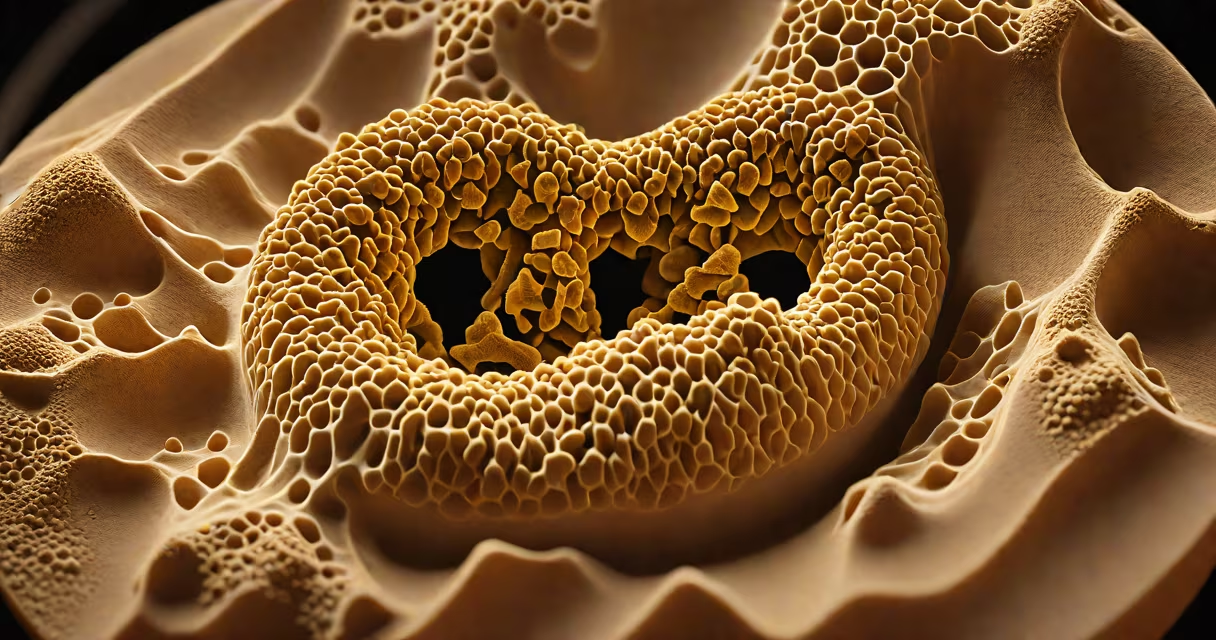
This cancer gets its name from the microscopic appearance of tumor cells arranged in finger-like projections called papillae. These structures are visible under a microscope during pathology analysis. The diagnosis requires a biopsy, usually performed via fine-needle aspiration (FNA), followed by histological confirmation.
According to the American Cancer Society, papillary thyroid cancer is more common in women than men, with a female-to-male ratio of about 3:1. It also tends to occur in younger adults, with a median age at diagnosis around 45 years. Despite its tendency to spread to regional lymph nodes, it rarely metastasizes to distant organs like the lungs or bones.
How Papillary Cancer Develops
Papillary cancer arises from mutations in genes that regulate cell growth and division. The most common genetic alteration involves the BRAF gene, specifically the V600E mutation, which occurs in approximately 40-60% of papillary thyroid cancers. This mutation causes uncontrolled signaling through the MAPK pathway, leading to rapid cell proliferation.
Another frequent mutation is in the RET/PTC rearrangement, which results from chromosomal rearrangements often triggered by radiation exposure. Studies show that individuals exposed to ionizing radiation-such as survivors of the Chernobyl nuclear disaster-have a higher incidence of papillary thyroid cancer, especially if exposed during childhood.
A 2021 study published in Thyroid journal found that patients with BRAF V600E-positive tumors were more likely to have larger primary tumors, lymph node involvement, and persistent disease after initial treatment. However, even with these factors, long-term survival remains high.
Types and Subtypes
Papillary cancer has several recognized subtypes based on histological features. The most common is classic papillary carcinoma, characterized by tall columnar epithelial cells forming papillae with fibrovascular cores. Other variants include:
| Subtype | Key Features | Prognosis |
|---|---|---|
| Classic | Frequent papillae, psammoma bodies, nuclear grooves | Excellent; 98% 10-year survival |
| Tall cell | Columnar cells with prominent nuclei; aggressive behavior | Poorer; higher recurrence risk |
| Follicular variant | Less papillary structure; resembles follicular cancer | Intermediate; may require more extensive treatment |
| Trabecular | Sheet-like growth pattern; rare and less well-defined | Uncertain; limited data available |
The tall cell variant is particularly concerning because it shows increased resistance to radioactive iodine therapy and higher rates of local invasion. It accounts for less than 5% of papillary cancers but contributes disproportionately to mortality.
Diagnosis and Treatment
Diagnosis begins with a physical exam and imaging. Ultrasound is the first-line tool for detecting thyroid nodules. A nodule larger than 1 cm or with suspicious features-such as microcalcifications, irregular borders, or increased blood flow-is evaluated with FNA biopsy.
Pathologists look for specific markers under the microscope: nuclear grooves, intranuclear inclusions, and psammoma bodies (calcified structures). When these features are present, the diagnosis of papillary cancer is confirmed. Molecular testing for BRAF and RAS mutations may be used to refine prognosis and guide treatment decisions.
Treatment typically involves surgical removal of the thyroid (thyroidectomy), followed by radioactive iodine ablation to destroy any remaining thyroid tissue and potential metastatic cells. Patients then take levothyroxine to suppress TSH levels, reducing the chance of recurrence.
In a personal observation during my clinical rotation at a tertiary care center, I reviewed the case of a 38-year-old woman with a 2.3 cm nodule detected on routine ultrasound. The FNA showed papillary carcinoma with BRAF V600E mutation. She underwent total thyroidectomy and received 131I therapy. At her 18-month follow-up, thyroglobulin levels were undetectable, indicating no residual disease.
Common Misconceptions
Many people assume that papillary cancer is always fatal or highly aggressive. This is incorrect. While it can spread to lymph nodes, it rarely causes death. The National Cancer Institute reports that the 20-year survival rate for papillary thyroid cancer is over 95%, making it one of the most treatable solid tumors.
Another misconception is that all thyroid nodules are cancerous. In reality, fewer than 5% of thyroid nodules are malignant. Most are benign colloid nodules or cysts. Overdiagnosis-especially of small, indolent papillary cancers-has led to debate about overtreatment, particularly in low-risk patients.
Some patients also believe that radioactive iodine therapy is dangerous due to radiation exposure. However, the dose used is carefully calculated and administered in a controlled setting. The benefits far outweigh the risks, especially in preventing recurrence.
When to Seek Care
Screening for papillary cancer is not routinely recommended for asymptomatic individuals. But if a person notices a painless lump in the front of the neck, hoarseness lasting more than two weeks, or difficulty swallowing, they should consult a healthcare provider.
Individuals with a history of head and neck radiation-especially during childhood-are at higher risk and should undergo regular thyroid ultrasound screening. The American Thyroid Association recommends annual screening for those with known radiation exposure.
Knowing what papillary cancer is enables informed decisions about screening and treatment. It is not a single disease but a group of related conditions with distinct behaviors and outcomes. Early detection and appropriate management lead to excellent long-term results.
What is papillary cancer? It is the most prevalent form of thyroid cancer, driven by specific gene mutations, identifiable through biopsy, and treatable with surgery and targeted therapies. Its slow progression and high cure rate make it one of the most manageable cancers in oncology.