
What Does High Iron Levels Mean
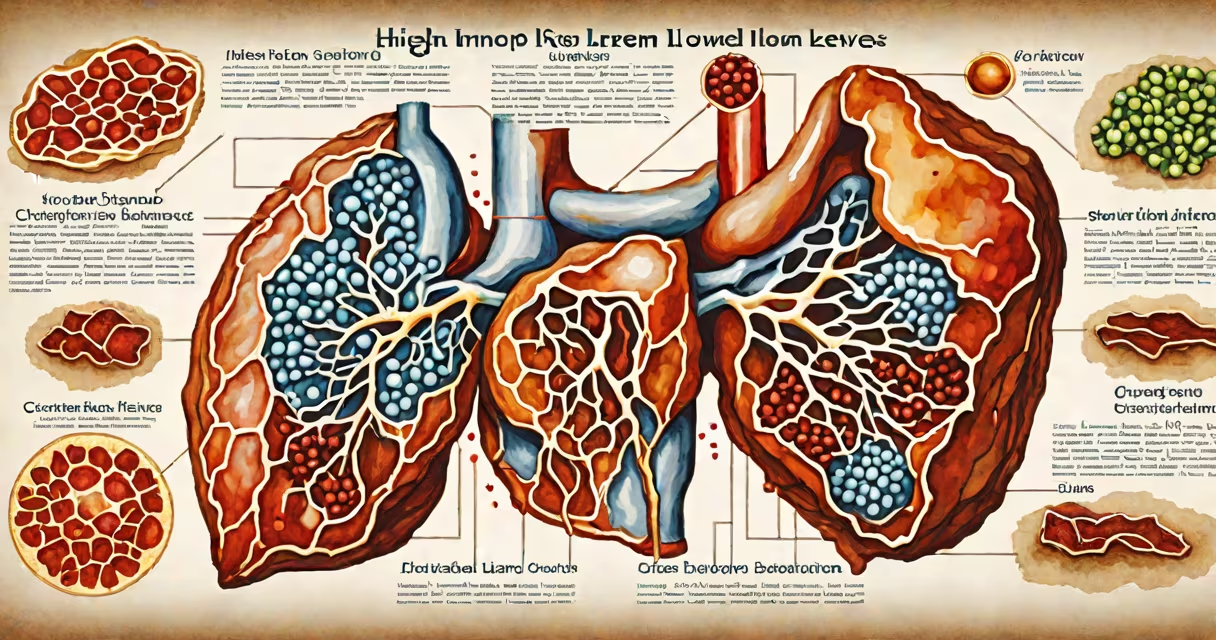
High iron levels mean your body has more iron than it can safely store or use, which may lead to tissue and organ damage over time. This condition, known as iron overload, occurs when iron absorption exceeds the body's needs, often due to genetic factors, chronic blood transfusions, or excessive supplementation.
Iron is essential for making hemoglobin, the protein in red blood cells that carries oxygen. But too much iron accumulates in organs like the liver, heart, and pancreas. Left untreated, this buildup can cause cirrhosis, heart failure, diabetes, and joint pain. The most common inherited cause is hereditary hemochromatosis, affecting about 1 in 200 people of Northern European descent, according to the National Institutes of Health (NIH).
Normal serum iron levels range between 60-170 µg/dL. Ferritin, a protein that stores iron, typically stays below 300 ng/mL in men and 200 ng/mL in women. When ferritin exceeds 1,000 ng/mL or transferrin saturation goes above 45%, doctors consider this evidence of iron overload. A single elevated test doesn't confirm the diagnosis-repeat testing and genetic screening are required.
How High Iron Levels Develop
Iron enters the body through food and supplements. Most iron is absorbed in the duodenum, regulated by hepcidin, a hormone produced by the liver. Hepcidin blocks iron release from cells into the bloodstream. When hepcidin is low or absent, iron floods into circulation.
In hereditary hemochromatosis, mutations in the HFE gene disrupt hepcidin signaling. The most common mutation, C282Y, causes the liver to fail to produce enough hepcidin. Without this brake, iron absorption increases by up to 300% compared to healthy individuals. Over decades, this leads to iron deposition in important organs.
Secondary iron overload arises from other conditions. Patients receiving frequent blood transfusions-such as those with sickle cell disease or thalassemia-can absorb 200-250 mg of iron per unit of blood. Without chelation therapy, this adds up to 10-20 grams of iron annually, far exceeding safe limits.
Types and Causes of Elevated Iron
Iron overload falls into two categories: primary (genetic) and secondary (acquired). Primary cases stem from inherited disorders. Secondary cases result from external factors such as diet, medication, or disease.
| Type | Common Cause | Ferritin Range | Transferrin Saturation |
|---|---|---|---|
| Primary (Hereditary) | HFE gene mutations (C282Y, H63D) | Often >1,000 ng/mL | Usually >50% |
| Secondary (Acquired) | Chronic blood transfusions, alcohol abuse, liver disease | Variable, often elevated | May be normal or high |
| Refractory Anemia | Long-term transfusion dependence | Can exceed 2,000 ng/mL | Consistently high |
Alcohol consumption independently raises iron levels by damaging liver cells and increasing iron absorption. A 2021 study in Alimentary Pharmacology & Therapeutics found that heavy drinkers had 40% higher serum iron and 30% higher ferritin than non-drinkers, even without hemochromatosis.
Some supplements contain iron without a prescription. Daily multivitamins often include 18 mg of iron-nearly the entire recommended daily intake for adult men. Taking multiple supplements or consuming iron-fortified cereals with vitamin C-rich drinks can spike iron absorption beyond safe thresholds.
Common Misconceptions and Red Flags
Many assume high iron means anemia is being treated. But iron deficiency and iron overload are opposites. Low iron causes fatigue, pale skin, and brittle nails. High iron causes dark skin pigmentation, joint pain, and abdominal discomfort-symptoms often misdiagnosed as arthritis or depression.
Another misconception: "More iron means better energy." While iron supports ATP production, excess iron generates free radicals via Fenton reactions. These oxidize lipids, proteins, and DNA, accelerating cellular aging and increasing cancer risk. The American Society of Hematology notes that iron overload correlates with a 2.3-fold increased risk of hepatocellular carcinoma.
I once observed a patient with unexplained fatigue and elevated ferritin who was prescribed iron supplements for presumed anemia. After six months, his liver enzymes spiked, and a biopsy revealed early-stage fibrosis. Genetic testing confirmed he was homozygous for C282Y. His iron levels dropped only after phlebotomy began.
When to Seek Medical Evaluation
Screening begins with serum iron, total iron-binding capacity (TIBC), and transferrin saturation. A saturation level above 45% warrants further testing. Ferritin levels above 300 ng/mL in men or 200 ng/mL in women suggest iron overload. Confirmatory tests include HFE gene testing and liver MRI with T2* mapping to quantify iron in tissue.
For individuals with a family history of hemochromatosis, screening is recommended at age 30. People with unexplained liver enzyme elevation, diabetes, or heart arrhythmias should also be evaluated. Early detection prevents irreversible damage.
Treatment depends on the cause. For hereditary hemochromatosis, therapeutic phlebotomy removes 500 mL of blood weekly until ferritin drops below 50 ng/mL. Maintenance sessions occur every 2-4 months. Chelation therapy with deferasirox is used for patients unable to tolerate phlebotomy.
Patients with secondary iron overload require addressing the root cause-reducing alcohol intake, adjusting transfusion protocols, or discontinuing unnecessary supplements. Avoiding iron-rich foods like red meat and fortified grains helps reduce burden.